Electronics Repair: Technical Knowledge of Circuits, Components, and Repair Workflow
Electronics repair is the technical process of identifying, diagnosing, and correcting faults in electronic devices and systems. It involves understanding how electrical circuits function, how electronic components interact, and how systematic repair workflows restore normal operation. This field supports the continued use of electronic equipment across households, industries, healthcare, communication systems, and infrastructure
Electronics repair exists because electronic devices are complex systems that can fail due to component degradation, electrical stress, environmental conditions, or design limitations. Rather than replacing entire systems, repair practices focus on isolating faults and restoring functionality in a controlled and methodical way.
Understanding Electronics Repair and Why It Exists
Electronics repair is built on the principle that most electronic systems are modular and diagnosable. Circuits are designed using standardized components such as resistors, capacitors, transistors, and integrated circuits. When a device fails, the issue is often limited to specific components or connections.
The purpose of electronics repair is to maintain operational reliability and extend the usable life of electronic systems. Repair activities help reduce electronic waste, preserve technical resources, and support continuity in essential systems.
Core areas involved in electronics repair include:
-
Circuit analysis and signal tracing
-
Identification of faulty components
-
Measurement and testing techniques
-
Controlled replacement or correction
-
Functional verification after repair
These steps ensure repairs are accurate and technically sound.
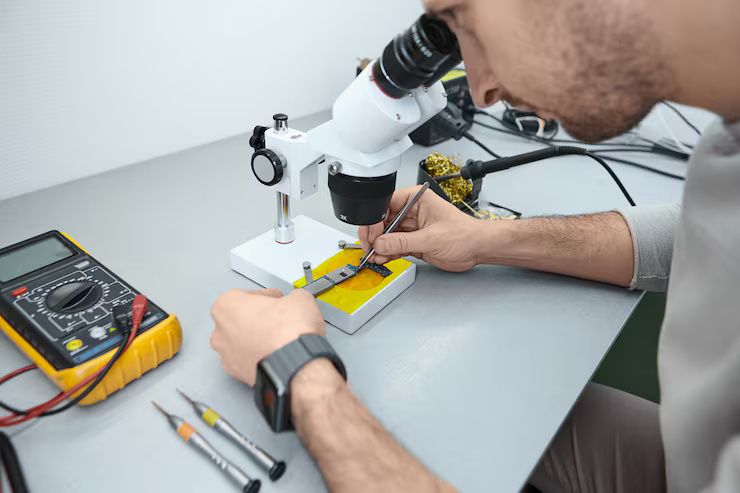
Why Electronics Repair Matters Today
Electronics repair remains highly relevant due to the widespread use of electronic systems in daily life and industry. Devices such as communication equipment, control systems, medical electronics, and consumer appliances rely on stable electronic circuits.
Electronics repair matters today because it supports:
-
Continued operation of critical electronic systems
-
Reduced environmental impact through extended device lifespan
-
Technical understanding of system behavior and failure modes
-
Maintenance of industrial and infrastructure equipment
-
Efficient use of electronic resources
Sectors influenced by electronics repair include:
-
Consumer electronics and appliances
-
Industrial automation and control systems
-
Telecommunications and networking
-
Medical and laboratory equipment
-
Automotive electronics
By enabling fault correction rather than full replacement, electronics repair contributes to sustainability and technical resilience.
Recent Trends and Updates in Electronics Repair
Over the past year, electronics repair practices have adapted to changes in device design and component integration. In 2025, several trends influenced repair workflows and technical approaches.
Key developments include:
-
January 2025: Increased focus on board-level diagnostics for compact electronic assemblies
-
April 2025: Wider use of digital measurement tools with higher precision
-
July 2025: Growth in repair documentation for surface-mount technology components
-
October 2025: Improved access to circuit diagrams and diagnostic references for complex devices
Another notable trend is the emphasis on repairability in product design discussions. This has encouraged clearer labeling, modular construction, and improved documentation for electronic systems.
Advances in diagnostic equipment have also improved fault isolation accuracy.
Laws, Policies, and Standards Affecting Electronics Repair
Electronics repair is influenced by safety standards, environmental regulations, and technical compliance guidelines. These frameworks ensure repairs are performed safely and responsibly.
Key regulatory areas include:
-
Electrical safety standards
Guidelines governing safe handling of electronic circuits and power systems. -
Environmental and waste regulations
Policies aimed at reducing electronic waste and encouraging responsible material handling. -
Product compliance standards
Requirements ensuring repaired equipment meets operational safety and performance criteria. -
Right-to-repair initiatives
Policies supporting access to repair information and replacement components.
In India, electronics repair activities align with electrical safety rules, environmental regulations, and standards issued by technical and industrial authorities.
Core Electronic Circuits in Repair Work
Understanding circuit types is fundamental to electronics repair.
| Circuit Type | Function | Common Applications |
|---|---|---|
| Power supply circuits | Voltage regulation | All electronic devices |
| Signal amplification circuits | Signal strength control | Audio and communication |
| Digital logic circuits | Data processing | Computers and controllers |
| Control circuits | System regulation | Industrial equipment |
| Protection circuits | Fault prevention | Power electronics |
Each circuit type exhibits specific failure patterns that guide diagnostic steps.
Key Electronic Components and Their Roles
Electronic components are the building blocks of circuits.
-
Resistors
Control current flow and voltage levels. -
Capacitors
Store and release electrical energy for filtering and timing. -
Inductors
Manage magnetic energy and signal smoothing. -
Diodes
Control current direction and protect circuits. -
Transistors
Act as switches or amplifiers. -
Integrated circuits (ICs)
Combine multiple functions into compact packages.
Understanding component behavior helps technicians identify faults accurately.
Electronics Repair Workflow Explained
Electronics repair follows a structured workflow to ensure accuracy and safety.
-
Visual inspection for damage or loose connections
-
Power and continuity checks
-
Signal tracing and measurement
-
Fault isolation at component or circuit level
-
Corrective action through replacement or adjustment
-
Functional testing and verification
This workflow reduces guesswork and improves repair reliability.
Tools and Resources Used in Electronics Repair
Several tools support effective electronics repair.
Common tool categories include:
-
Measurement instruments
-
Digital multimeters
-
Oscilloscopes
-
LCR meters
-
-
Repair and handling tools
-
Soldering and desoldering equipment
-
Precision hand tools
-
-
Diagnostic resources
-
Circuit diagrams and schematics
-
Component datasheets
-
-
Safety and testing tools
-
Insulation testers
-
Protective equipment
-
These tools enable precise diagnostics and controlled repair actions.
Frequently Asked Questions
What knowledge is required for electronics repair?
A solid understanding of circuits, components, measurement techniques, and safety practices is essential.
Why is circuit understanding important in repair work?
Circuit knowledge helps identify how signals and power flow, making fault isolation more accurate.
Are modern electronics harder to repair?
Many modern devices are more compact, requiring detailed diagnostics and precise tools.
What is the most common cause of electronic failure?
Common causes include component aging, power surges, heat stress, and mechanical damage.
Does electronics repair support sustainability?
Yes. Repair reduces electronic waste and extends device lifespan.
Common Challenges in Electronics Repair
Electronics repair professionals often face challenges such as:
-
Miniaturized components and dense layouts
-
Limited access to documentation
-
Intermittent or temperature-dependent faults
-
Safety risks from high-voltage circuits
-
Compatibility of replacement components
Addressing these challenges requires careful analysis and adherence to technical standards.
Electronics Repair and Quality Assurance
Quality assurance is a key part of repair activities. This includes:
-
Verifying circuit performance after repair
-
Testing under normal operating conditions
-
Ensuring electrical safety and insulation integrity
-
Documenting repair actions and results
Quality checks help ensure long-term reliability.
Future Outlook for Electronics Repair
Electronics repair continues to evolve with technology advancements. Expected developments include:
-
Improved diagnostic automation
-
Enhanced access to repair documentation
-
Greater emphasis on modular electronics design
-
Advanced tools for micro-scale component repair
These trends aim to improve repair accuracy and accessibility.
Conclusion
Electronics repair is a technical discipline focused on restoring functionality through detailed understanding of circuits, components, and systematic workflows. It exists to maintain electronic systems, reduce waste, and support operational continuity across industries.
Recent trends highlight improved diagnostics, better documentation, and increased attention to repairability. Regulations and standards guide safe and responsible repair practices.
By understanding the technical foundations of electronics repair, readers gain insight into how electronic systems are maintained, troubleshot, and restored in a structured and reliable manner.

