Essential Foods for a Healthy Liver: A Beginner’s Guide to Nutrition and Liver Care
The liver is one of the body’s most vital organs. It performs over 500 functions, including detoxifying harmful substances, producing bile for digestion, storing nutrients, and regulating blood sugar. As our body’s natural filter, the liver is constantly working to keep us healthy.
Nutrition plays a critical role in maintaining liver health. While the liver has a remarkable ability to heal and regenerate, it can be compromised by unhealthy eating habits, alcohol, processed foods, and environmental toxins. A nutrient-rich diet can help support liver function, reduce inflammation, and promote detoxification.
Why Liver Nutrition Matters Today
Modern diets high in sugar, saturated fats, and processed foods are increasing the global burden of liver-related conditions such as non-alcoholic fatty liver disease (NAFLD), hepatitis, and liver cirrhosis. NAFLD, in particular, affects an estimated 25% of the global population, according to a 2023 report by The Lancet Gastroenterology & Hepatology.
People of all ages are affected, but the risk is higher among those with sedentary lifestyles, obesity, insulin resistance, or high alcohol consumption. Left unchecked, poor liver function can impact digestion, immunity, and long-term health.
Eating the right foods isn’t just about avoiding liver disease—it's about optimizing energy, metabolism, and overall wellness.
Recent Developments and Trends (2024–2025)
In the past year, several dietary trends have emerged that highlight the importance of liver-friendly foods:
-
Rise in Plant-Based Diets (2024): A shift toward whole plant-based nutrition is linked with improved liver enzyme levels and reduced fat accumulation.
-
Interest in Functional Foods: Foods rich in antioxidants, such as turmeric, beetroot, and green tea, are gaining popularity for their liver-supportive benefits.
-
Intermittent Fasting: Some studies published in Nature Reviews Endocrinology (2024) suggest time-restricted eating may help reduce liver fat and improve insulin sensitivity.
-
Supplements with Caution: Milk thistle and NAC (N-Acetylcysteine) are widely discussed for liver detox, but experts stress dietary sources remain the safest long-term strategy.
Governments and health organizations are increasingly warning against high fructose intake, which is directly linked to liver fat buildup, particularly from sugary drinks.
Government Policies and Health Guidelines
Different countries have implemented policies and public health campaigns that promote liver-friendly nutrition:
-
India: The National Programme for Prevention & Control of Cancer, Diabetes, Cardiovascular Diseases & Stroke (NPCDCS) includes awareness on liver health through dietary modification.
-
United States: The CDC and USDA promote the Dietary Guidelines for Americans, which emphasize whole grains, lean proteins, and reducing added sugars—all beneficial for liver care.
-
UK: NHS campaigns encourage reducing alcohol consumption and eating a Mediterranean-style diet to protect liver function.
-
WHO Recommendations: The World Health Organization supports reduced sugar and trans fat intake to combat metabolic diseases, including NAFLD.
While there are no universal liver-specific food laws, these programs support better liver health through public awareness and nutritional education.
Essential Foods That Support Liver Health
| Food Group | Examples | Benefits for Liver |
|---|---|---|
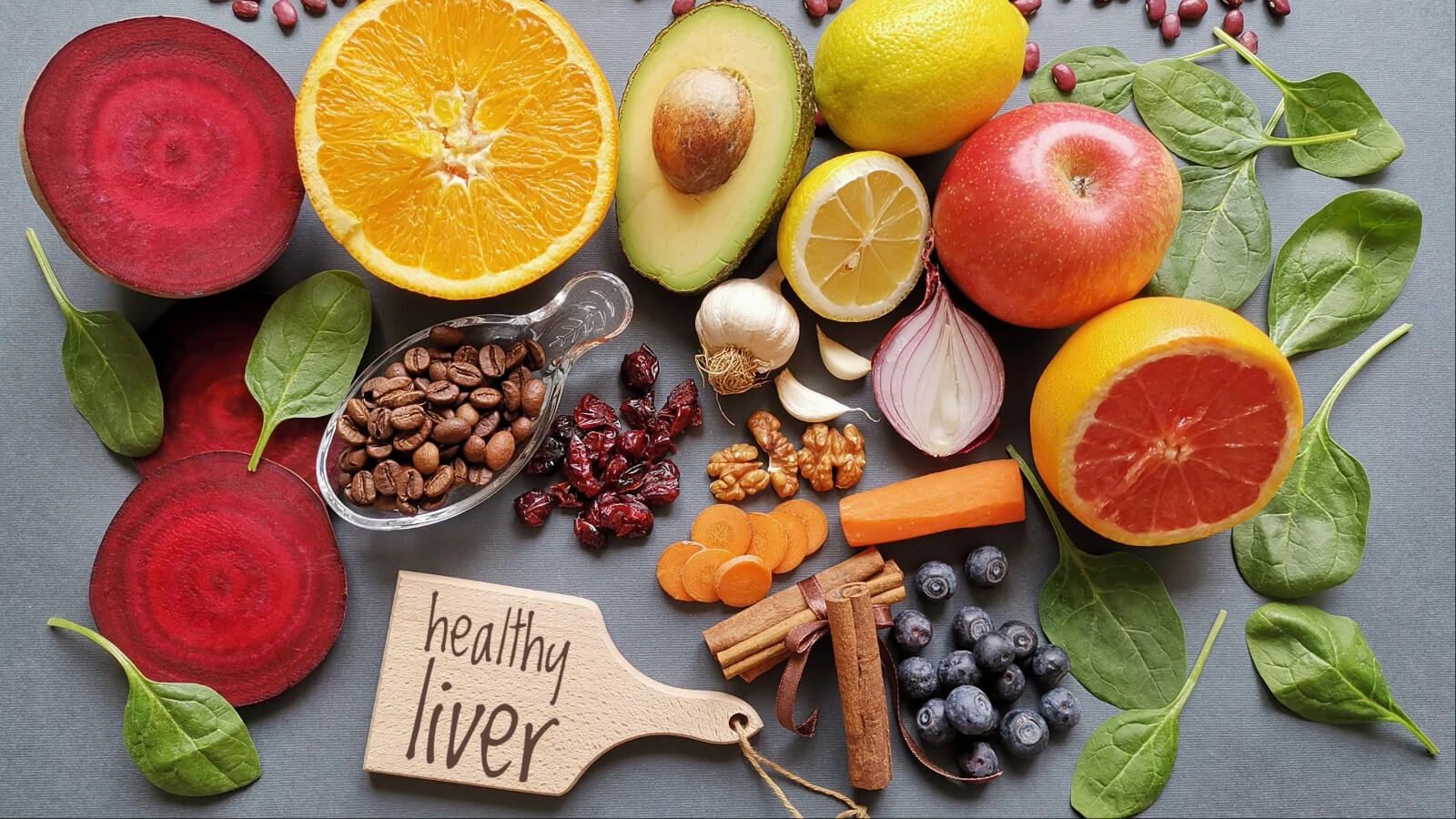
| Leafy Greens | Spinach, kale, arugula | Detoxification, antioxidants |
| Cruciferous Vegetables | Broccoli, cauliflower, Brussels sprouts | Increases detox enzyme production |
| Whole Grains | Brown rice, oats, quinoa | Improves insulin sensitivity |
| Lean Proteins | Eggs, tofu, legumes | Helps in liver cell regeneration |
| Healthy Fats | Olive oil, nuts, fatty fish (salmon, sardines) | Reduces liver inflammation |
| Fruits | Berries, apples, citrus fruits | Rich in fiber, vitamins, antioxidants |
| Beverages | Green tea, coffee (in moderation), water | May protect against fibrosis and fatty liver |
-
Vitamin E: Found in nuts and seeds, reduces liver inflammation
-
Choline: Present in eggs and fish, essential for fat metabolism
-
Glutathione Precursors: Found in garlic, onions, and cruciferous vegetables
Foods and Habits to Limit or Avoid
-
Alcohol: Excessive intake is a leading cause of liver damage
-
Added sugars: Especially from soft drinks and desserts
-
Fried and fatty foods: Saturated and trans fats stress the liver
-
Refined carbs: White bread, pastries, and sugary cereals
-
Over-the-counter medication misuse: Such as excess acetaminophen
Moderation and mindful choices go a long way in maintaining long-term liver health.
Tools and Resources for Liver Health
Whether you're starting a new diet or monitoring your liver function, the following tools and resources can be helpful:
-
MyFitnessPal – Tracks nutrients, helps monitor sugar and fat intake
-
Liver Foundation (www.liverfoundation.org) – Provides educational materials and lifestyle tips
-
CDC Nutrition Guidelines (www.cdc.gov/nutrition) – Offers dietary strategies for disease prevention
-
HealthifyMe or MyPlate (app) – Indian and US-focused apps for healthy eating
-
Liver Enzyme Calculators – Offered by some hospital websites to interpret ALT/AST lab values
Always consult a healthcare provider before making major dietary changes or starting supplements.
Frequently Asked Questions (FAQs)
1. Can the liver heal itself through diet alone?
Yes, the liver is capable of regeneration. A healthy diet can significantly improve liver function, especially in early-stage fatty liver or mild damage. However, medical supervision is recommended.
2. Is coffee really good for the liver?
Moderate consumption (1–3 cups per day) of black coffee is associated with reduced risk of liver fibrosis and cirrhosis, according to several studies, including those published by the Journal of Hepatology.
3. Are detox diets or juice cleanses effective for liver health?
Most detox diets are unnecessary and may lack essential nutrients. The liver detoxifies naturally, and its function is best supported through a balanced diet, hydration, and regular exercise.
4. How do I know if I have liver problems?
Early signs are often silent. However, fatigue, bloating, right-side abdominal discomfort, or abnormal liver enzyme results in blood tests may indicate an issue. Always consult a doctor.
5. Can fatty liver be reversed?
Yes. Non-alcoholic fatty liver disease can often be reversed through weight loss, physical activity, and dietary changes such as reducing sugar and saturated fat intake.
Final Thoughts
Caring for your liver doesn’t require extreme diets or complicated routines. The most effective approach is a consistent, balanced diet rich in whole foods, antioxidants, fiber, and healthy fats. Avoiding excess sugar, alcohol, and processed food can go a long way in protecting one of your body’s hardest-working organs.
As awareness grows about the connection between food and liver health, tools, apps, and global health policies are aligning to support better nutritional choices. Whether you're preventing disease or improving current liver health, the food on your plate is a powerful place to start.