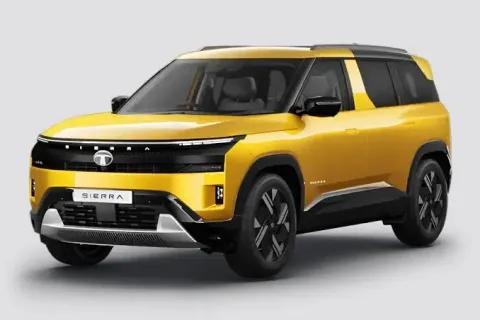
Ev Cars Explained: Technology, Benefits, Battery Life, and the Future of Transportation
Electric cars, commonly known as electric vehicles (EVs), are changing the way people understand personal transportation. Unlike conventional petrol and diesel vehicles, fully electric cars use electricity stored in rechargeable batteries to power an electric motor. Improvements in battery technology, charging infrastructure, vehicle design, and energy efficiency have increased interest in electric mobility around the world. Electric cars are now an important part of discussions about sustainable transportation, automotive innovation, and reducing dependence on fossil fuels.
Understanding electric vehicle technology is useful for drivers, students, and anyone interested in the future of the automotive industry. Electric cars involve several interconnected technologies, including lithium-ion batteries, power electronics, regenerative braking, and electric vehicle charging systems. Learning how these components work together can help readers understand the potential advantages, practical limitations, environmental considerations, and long-term development of electric transportation.
What Is an Electric Car?
Definition and Basic Working Principle
An electric car is a vehicle that uses one or more electric motors to produce movement. A battery stores electrical energy, and an electronic controller regulates how that energy reaches the motor. When the driver presses the accelerator, the vehicle's control system adjusts the electrical power supplied to the motor, which turns the wheels. This process allows an electric vehicle to move without burning petrol or diesel to generate driving power.
Fully electric vehicles are different from hybrid vehicles, which combine an internal combustion engine with an electric motor. Battery electric vehicles (BEVs) rely entirely on electricity for propulsion and must be recharged through an external power source. Plug-in hybrid electric vehicles (PHEVs) can travel using electricity for some journeys but also have a conventional engine. Understanding these distinctions helps explain the different vehicle technologies available in the automotive market.
Main Types of Electric Vehicles
Battery electric vehicles are powered exclusively by rechargeable batteries and electric motors. They produce no exhaust emissions while driving, although emissions may occur during electricity generation and vehicle manufacturing. Hybrid electric vehicles combine an electric motor with a fuel-powered engine, while plug-in hybrids can recharge their batteries from an external electricity supply. Fuel cell electric vehicles use hydrogen and a fuel cell to generate electricity onboard. Each type has different energy requirements, driving characteristics, infrastructure needs, and environmental considerations.
How Electric Car Technology Works
Electric Car Battery and Battery Management System
The battery pack is one of the most important components of an electric car because it stores the energy required for driving. Most modern battery electric cars use lithium-ion battery technology because of its energy density, rechargeability, and performance characteristics. Battery capacity is usually measured in kilowatt-hours (kWh), while driving efficiency is often expressed in kilowatt-hours per 100 kilometres or kilometres per kWh.
A battery management system monitors important parameters such as temperature, voltage, and state of charge. It helps keep battery cells operating within their intended limits and supports battery performance and safety. Battery lifespan depends on factors such as temperature, charging habits, usage patterns, and battery chemistry. Manufacturers use different cooling and thermal management systems to help maintain suitable operating conditions.
Electric Motor and Power Electronics
An electric motor converts electrical energy into mechanical energy that moves the vehicle. Compared with a conventional engine and transmission system, an electric drivetrain generally has fewer moving parts and can deliver torque quickly. This contributes to smooth acceleration and a quiet driving experience.
Power electronics control the flow of electricity between the battery and motor. An inverter converts direct current from the battery into the form of alternating current required by many electric motors. The vehicle's electronic control systems coordinate acceleration, energy use, and other drivetrain functions. Together, these components determine how efficiently an electric car uses its stored energy.
Regenerative Braking Technology
Regenerative braking helps recover some energy that would otherwise be lost as heat when a vehicle slows down. During deceleration, the electric motor can operate as a generator, converting part of the vehicle's kinetic energy into electricity and returning it to the battery.
The amount of recovered energy depends on driving conditions, battery charge level, temperature, and system design. Regenerative braking can improve energy efficiency, particularly in stop-and-go traffic. However, it does not recover all the energy used to accelerate the vehicle, so its contribution to driving range varies.
Major Benefits of Electric Cars
Energy Efficiency and Driving Experience
Electric cars convert a relatively high proportion of the energy they consume into movement. Their efficient drivetrains and regenerative braking systems can reduce energy losses compared with conventional petrol and diesel vehicles. The actual efficiency advantage depends on the vehicle, road conditions, temperature, driving style, and electricity source.
Another notable feature is the immediate response of electric motors. Drivers often experience smooth acceleration and reduced drivetrain noise. Electric vehicles may also require less routine maintenance because they do not have conventional engine oil systems, exhaust systems, or the same number of engine-related components. Nevertheless, tyres, brakes, suspension, cabin filters, and other components still require inspection and maintenance.
Environmental Impact of Electric Vehicles
Battery electric cars produce no tailpipe emissions during driving, which can help reduce roadside air pollution. Their overall environmental impact, however, depends on the electricity used for charging, battery manufacturing, mineral extraction, vehicle production, and end-of-life recycling.
When electricity comes from low-carbon sources, the emissions associated with charging can be lower. In regions that rely heavily on fossil-fuel electricity, the climate benefits may be smaller, although electric vehicles can still have efficiency advantages. A complete assessment should consider the vehicle's entire life cycle rather than only emissions from the exhaust. Battery recycling and responsible sourcing of raw materials are also important parts of sustainable electric mobility.
Electric Car Charging Infrastructure
Home Charging and Public Charging Stations
Charging infrastructure is an essential part of electric vehicle ownership. Home charging allows drivers to recharge a vehicle while it is parked, provided their home electrical system and parking arrangements support it. The charging time depends on the charger’s power output, the vehicle's onboard charging capacity, battery size, and the amount of energy that needs to be replenished.
Public charging stations provide additional flexibility for drivers who cannot charge at home or who travel longer distances. These stations may be located in car parks, shopping areas, workplaces, residential complexes, and highway rest areas. Access, connector compatibility, charging speed, electricity tariffs, and station reliability can vary by location.
AC Charging and DC Fast Charging
Alternating current (AC) charging is commonly used for home, workplace, and destination charging. The vehicle's onboard charger converts AC electricity into direct current for the battery. Charging speed depends on both the charging equipment and the vehicle's onboard charger.
Direct current (DC) fast charging supplies power to the vehicle's battery through the charging system, bypassing the vehicle's onboard AC-to-DC charger. It can replenish the battery more quickly when the vehicle supports high charging power. However, charging speed may decrease as the battery approaches a high state of charge or when temperature conditions require additional protection. The International Energy Agency discusses the development of public charging networks and fast-charging technology in its Global EV Outlook.
Electric Car Range and Battery Life
What Determines Electric Vehicle Range?
Electric vehicle range refers to the distance a car can travel using its available battery energy. Manufacturers publish range estimates using specified testing procedures, but real-world results may differ. Several factors influence the distance an electric car can cover before needing another charge.
Vehicle weight, aerodynamic design, tyre pressure, speed, road gradients, outside temperature, and air-conditioning use can all affect energy consumption. Driving at high speeds generally requires more energy because aerodynamic resistance increases. Cold weather can also reduce available range through battery temperature effects and cabin heating requirements.
Battery capacity is another important consideration, but a larger battery alone does not guarantee better efficiency. A well-designed electric car with lower energy consumption may travel farther on the same amount of stored electricity than a heavier or less aerodynamic vehicle.
Battery Degradation and Long-Term Performance
An electric car battery gradually loses some of its original capacity over time. This process is known as battery degradation, and its rate varies by battery chemistry, temperature exposure, charging patterns, mileage, and vehicle design. As usable capacity decreases, the vehicle may not travel as far on a full charge as it did when new.
Drivers can help maintain battery health by following the manufacturer's charging recommendations, avoiding prolonged exposure to extreme temperatures where possible, and using fast charging when appropriate for their travel needs rather than assuming it is always necessary. Many manufacturers provide battery warranties with specific time, mileage, and capacity-retention conditions. The terms differ by vehicle and market, so they should be checked individually.
Electric Cars in India
Growth of Electric Mobility in the Indian Automotive Market
Electric mobility is becoming an increasingly important part of India's automotive and transportation landscape. Interest is influenced by urban air quality, energy efficiency, domestic manufacturing, battery development, and the expansion of charging infrastructure. However, adoption differs between passenger cars, two-wheelers, three-wheelers, buses, and commercial vehicles.
India's geography, traffic conditions, electricity supply, residential parking arrangements, and travel patterns influence the suitability of electric cars for different drivers. Urban commuters may have different charging needs from people who regularly travel between cities. For this reason, local charging access and real-world driving range are important considerations when evaluating electric vehicle technology.
Challenges of Electric Car Adoption in India
The transition to electric cars faces several practical challenges. The initial purchase price of some models may be higher than that of comparable petrol vehicles, while public charging access can vary considerably between cities and regions. Drivers living in apartment buildings may need permission or suitable electrical infrastructure to install home charging equipment.
Long-distance travel planning, charging-station reliability, battery replacement considerations, and resale value are other relevant factors. Government policies, taxes, incentives, and registration rules can also change over time and differ by state. An informed assessment should consider the full ownership period rather than relying on one factor, such as the vehicle's purchase price or advertised range.
Electric Cars vs Petrol Cars
Differences in Energy Use and Maintenance
Electric cars use electricity to power their motors, while petrol cars burn fuel in an internal combustion engine. This difference affects energy efficiency, driving characteristics, routine maintenance, and the way each vehicle produces emissions. Electric cars generally have fewer engine-related service requirements, but their battery and electrical systems introduce their own inspection and repair considerations.
The overall financial comparison depends on the electricity tariff, petrol price, annual driving distance, vehicle efficiency, insurance, financing, maintenance, depreciation, and charging access. Drivers who can charge at home may have a different ownership experience from those who depend entirely on public fast chargers. There is no single cost comparison that applies equally to every vehicle and household.
Which Technology Is Suitable for Different Drivers?
Electric cars can be suitable for drivers with predictable daily journeys and convenient charging access. They may also work well for households that can charge overnight and have a vehicle with sufficient range for their regular travel. Drivers who frequently cover long distances through areas with limited charging infrastructure may need to plan more carefully.
Petrol vehicles can offer the convenience of a well-established refuelling network in many regions. Hybrid vehicles provide another option for drivers who want some electric assistance without relying entirely on external charging. The most appropriate technology depends on driving habits, local infrastructure, environmental priorities, and individual requirements.
The Future of Electric Car Technology
Battery Innovation and Improved Charging Speeds
Research into electric vehicle batteries focuses on improving energy density, reducing manufacturing costs, extending service life, and strengthening safety. Lithium iron phosphate (LFP) batteries and nickel-rich lithium-ion chemistries serve different priorities in terms of cost, energy density, materials, and performance. Researchers are also investigating solid-state batteries, sodium-ion batteries, and alternative battery designs, although commercial readiness varies considerably.
Charging technology is developing alongside battery innovation. Improvements in charging equipment, thermal management, battery design, and power electronics may shorten charging times for compatible vehicles. However, faster charging also requires suitable electrical infrastructure, effective heat management, and compatibility between the vehicle and charging station.
Smart Charging and Vehicle-to-Grid Technology
Smart charging systems can adjust when and how quickly electric cars charge based on electricity demand, charging schedules, and available power. This can help manage peak demand and make better use of renewable electricity when conditions allow. The practical benefits depend on electricity pricing, grid capabilities, charger compatibility, and the driver's needs.
Vehicle-to-grid (V2G) technology allows compatible electric vehicles to send stored electricity back to the power grid. In suitable systems, this could help provide flexibility when electricity demand changes. However, implementation requires compatible vehicles and chargers, appropriate regulations, and arrangements for measuring and compensating electricity flows. It remains an evolving area of electric mobility rather than a universal feature of every EV.
Frequently Asked Questions About Electric Cars
How long does an electric car battery last?
Electric car battery lifespan varies according to battery chemistry, climate, charging habits, mileage, and thermal management. Batteries gradually lose capacity, but many are designed to operate for years. The manufacturer's battery warranty and capacity-retention terms provide useful information about expected coverage.
Are electric cars better for the environment?
Electric cars have no tailpipe emissions while driving and are generally energy-efficient. Their overall environmental impact depends on electricity generation, battery production, raw material sourcing, vehicle manufacturing, and recycling. Life-cycle assessments provide a more complete comparison than tailpipe emissions alone.
How much time does an electric car take to charge?
Charging time depends on battery capacity, the remaining charge, charger power, vehicle charging limits, and temperature. Home AC charging may take several hours, while compatible DC fast chargers can replenish a battery much faster. Actual charging times vary by vehicle and conditions.
Do electric cars need regular maintenance?
Yes. Electric cars still require tyre checks, brake inspections, suspension maintenance, cabin filter replacement, and other routine servicing. They generally need fewer engine-related maintenance procedures because they do not use a conventional petrol or diesel engine.
Can electric cars be used for long-distance travel?
Yes, many electric cars can be used for long-distance journeys when their range and the available charging network suit the route. Drivers should consider charging locations, travel time, weather, terrain, and battery capacity when planning longer trips.
What is the difference between an EV and a hybrid car?
A battery electric vehicle relies on electricity for propulsion and needs external charging. A conventional hybrid combines an electric motor with a fuel-powered engine, while a plug-in hybrid can also recharge its battery externally and travel some distance using electric power alone.
Conclusion
Electric cars represent a significant development in automotive engineering, combining rechargeable batteries, electric motors, power electronics, and increasingly sophisticated charging systems. Their efficiency, quiet operation, and lack of tailpipe emissions offer important advantages, while charging access, battery degradation, purchase price, and environmental impacts across the supply chain remain relevant considerations.
As battery technology and charging infrastructure develop, electric mobility is likely to continue evolving. Understanding the differences between vehicle types, charging methods, energy efficiency, and long-term battery performance helps readers evaluate electric cars using practical and reliable information rather than assumptions.