Excavator Part Numbers: A Practical Guide to Identifying Machine Parts
Excavators are complex construction machines made up of hundreds of mechanical, hydraulic, electrical, and structural components. Each component may have a specific part number that helps identify its design, specifications, compatibility, and application. Understanding an excavator part number can make equipment maintenance and component identification more organized, particularly when working with older machines or large equipment fleets.
Part numbers are commonly used for components such as hydraulic pumps, filters, engines, cylinders, buckets, track assemblies, swing motors, control valves, electrical sensors, seals, and undercarriage components. Although part-number systems differ between manufacturers, learning how these numbers are structured can help equipment owners, technicians, and maintenance teams understand excavator components more accurately.
What Is an Excavator Part Number?
An excavator part number is a unique identification code assigned to a particular component by an equipment manufacturer or parts supplier. The number may contain letters, numbers, or a combination of both. Depending on the manufacturer, it can identify the component family, machine application, production revision, or specific configuration.
For example, two hydraulic components may look almost identical externally but have different internal specifications. Their individual part numbers help distinguish them. This is particularly important with hydraulic excavator parts, because differences in pressure ratings, dimensions, seals, connections, and operating specifications can affect compatibility.
A part number should therefore be treated as an identification reference rather than simply a product name.
Why Excavator Part Numbers Are Important
Accurate Component Identification
Construction equipment often contains components with similar names and appearances. A machine may have several filters, hydraulic valves, sensors, seals, and electrical components. A part number provides a more precise way of identifying an individual component.
When maintenance personnel record the part number of a removed component, it becomes easier to compare the existing component with technical documentation and equipment records.
Equipment Compatibility
Compatibility is an important consideration when dealing with excavator replacement parts. A component designed for one machine model may not necessarily work correctly with another model, even when the two excavators have similar specifications.
Part numbers can help narrow down the correct component, but model number, serial number, production year, machine configuration, and technical specifications may also need to be checked.
Maintenance Documentation
Professional equipment maintenance often involves maintaining records of components that have been inspected or replaced. Recording part numbers creates a consistent reference for future maintenance activities.
This can be particularly useful for companies operating multiple excavators because different machines may use different versions of similar components.
How to Find an Excavator Part Number
Check the Component
The simplest starting point is often the component itself. Many excavator parts have an identification plate, stamped number, engraved code, printed label, or molded identification mark.
The location varies according to the component. Hydraulic pumps, motors, electrical components, engines, filters, and other assemblies may each have their own identification markings.
Check the Excavator Documentation
Machine documentation can contain detailed information about components and assemblies. Operator manuals, maintenance manuals, parts catalogs, technical manuals, and service documentation may provide useful identification information.
When available, the excavator's model and serial number should be recorded along with the component part number.
Identify the Machine Model and Serial Number
An excavator's model number alone may not always be sufficient. Manufacturers can make changes during a production period, meaning machines with the same basic model designation may contain different components.
The machine serial number can help establish the specific production configuration and can therefore be an important reference when researching heavy equipment parts.
Understanding Excavator Part Number Formats
Numeric Part Numbers
Some manufacturers use primarily numerical identification systems. These numbers may appear as a sequence of digits and can represent a particular component or assembly.
The meaning of individual digits should not automatically be assumed because manufacturers use different numbering conventions. The manufacturer's parts documentation is the appropriate reference for interpreting the code.
Alphanumeric Part Numbers
Other part numbers combine letters and numbers. Letters can sometimes identify a component family, production group, or other classification, while the numerical portion identifies a particular component.
However, there is no universal excavator part-number standard. A code that has a particular meaning for one manufacturer may have a completely different meaning for another.
Revised Part Numbers
A manufacturer may update a component over the life of a machine. In such cases, an original part number may be replaced or superseded by another number.
A superseded number does not automatically mean that the replacement component is identical in every physical detail. Technical documentation should be checked to determine whether the newer number is an approved replacement or an alternative configuration.
Common Excavator Components With Part Numbers
Hydraulic Components
Hydraulic systems contain some of the most important components in an excavator. Hydraulic pumps, cylinders, motors, control valves, hoses, filters, seals, and fittings can each have individual identification numbers.
Because hydraulic systems operate under specific pressure and flow requirements, identifying the correct component requires more than matching its external appearance.
Engine Components
Excavator engines contain numerous components, including filters, belts, injectors, sensors, gaskets, pumps, and other assemblies. Engine-related part numbers may be associated with the excavator manufacturer or the engine manufacturer.
When identifying an engine component, it can be useful to record both the excavator model and the engine model.
Undercarriage Components
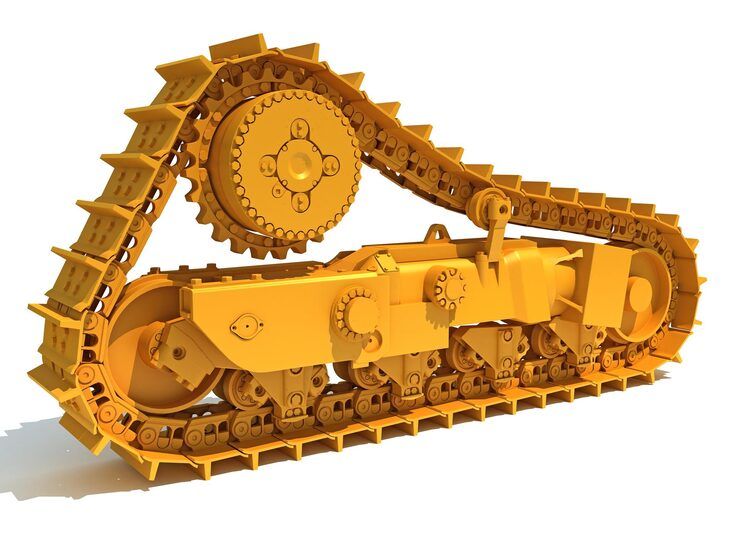
Track chains, rollers, idlers, sprockets, track shoes, and related components form the excavator undercarriage. These parts can vary according to machine size, track configuration, and manufacturer specifications.
Correct identification is important because dimensions and mounting arrangements can differ between machine models.
Electrical and Electronic Components
Modern excavators use sensors, electronic control modules, wiring harnesses, switches, displays, and other electrical components. These components frequently have detailed identification codes.
For electronic parts, the complete number printed on the label should be recorded whenever possible because a small variation in the code may represent a different version.
OEM and Aftermarket Excavator Part Numbers
OEM Part Numbers
OEM, or Original Equipment Manufacturer, part numbers are identifiers associated with components supplied or specified by the original equipment manufacturer. OEM documentation can provide useful information about machine compatibility and component specifications.
An OEM reference is particularly useful when researching a component for a specific excavator model.
Aftermarket Part Numbers
Aftermarket manufacturers may create their own part numbers for components designed to correspond to particular applications. An aftermarket number may therefore differ from the original equipment manufacturer's number.
Cross-reference information can help establish whether an aftermarket component corresponds to a particular original part number, but technical specifications should still be verified.
How to Cross-Reference Excavator Part Numbers
Cross-referencing involves comparing one component identification number with another reference to determine whether they correspond to the same application.
A reliable cross-reference process should consider the excavator manufacturer, machine model, serial-number range, component type, dimensions, technical specifications, and applicable revisions.
Visual similarity alone is not sufficient. Two components can have similar shapes while having different operating specifications.
Common Mistakes When Identifying Excavator Parts
Using Only the Machine Model
Searching only by machine model can produce multiple component possibilities. The model should generally be combined with the machine serial number and the component's existing identification number when available.
Ignoring Part Number Suffixes
A suffix or additional letter may represent an important variation. Removing part-number characters can lead to confusion between related but different components.
Relying Only on Photographs
Photographs can help identify the general component type, but they do not always reveal internal specifications, mounting dimensions, pressure ratings, or revision differences.
Confusing Assembly and Component Numbers
An excavator assembly may contain several individual components. The complete assembly can have one part number while individual components inside it have separate numbers.
Understanding whether the number refers to an assembly or an individual component is therefore important.
Best Practices for Excavator Part Number Records
A structured equipment record can make future component identification easier. Useful information can include the excavator manufacturer, model, serial number, engine model, component name, original part number, replacement part number, installation date, and relevant maintenance notes.
Digital maintenance records can also help organizations organize heavy machinery parts information across multiple machines. Consistent records reduce the possibility of confusing components from different equipment models.
Excavator Part Numbers and Equipment Maintenance
Correct component identification is closely connected with preventive maintenance. Excavators operate in demanding environments where hydraulic, mechanical, electrical, and structural components experience significant operating loads.
Maintaining accurate component records allows maintenance personnel to connect inspections and repairs with specific equipment components. This can support better documentation and help identify recurring maintenance requirements.
For major repairs, technical specifications and manufacturer documentation should always be consulted before a component is selected or installed.
Frequently Asked Questions
Where Can I Find an Excavator Part Number?
An excavator part number may be located on the component itself, an identification plate, equipment documentation, a parts catalog, or a manufacturer's technical database.
Is an Excavator Model Number the Same as a Part Number?
No. The model number identifies the excavator or machine family, while a part number identifies a particular component or assembly.
Can One Part Number Fit Multiple Excavators?
Yes, a component can sometimes be used across multiple machine models or configurations. However, compatibility should be confirmed using manufacturer documentation and the relevant serial-number information.
Why Does a Part Number Have Letters and Numbers?
Manufacturers use different identification systems. Letters and numbers may distinguish component families, configurations, revisions, or individual components.
Can an Aftermarket Part Use a Different Part Number?
Yes. Aftermarket manufacturers commonly use their own identification systems. A cross-reference may connect an aftermarket number with an OEM reference, but specifications should be verified.
Conclusion
Excavator part numbers provide an organized method for identifying the components used in construction machinery. Understanding these numbers can help distinguish hydraulic components, engine parts, undercarriage assemblies, electrical equipment, and other construction equipment parts.
The most reliable identification process combines the component's part number with the excavator model, serial number, technical specifications, and manufacturer documentation. This approach is particularly useful when researching excavator replacement parts, maintaining equipment records, or comparing OEM and aftermarket component references.