Exercise for Seniors Overview: Learn Basics, Fitness Insights, and Active Living Facts
Exercise for seniors refers to planned physical activity designed to support mobility, strength, balance, flexibility, and overall health in older adults. It includes low-impact aerobic movement, resistance training, stretching routines, and balance-focused activities that match age-related physical changes. As people live longer, maintaining physical independence and functional ability becomes a key part of healthy aging. Exercise exists in this context as a preventive healthcare approach that helps older adults stay active, confident, and engaged in daily life.
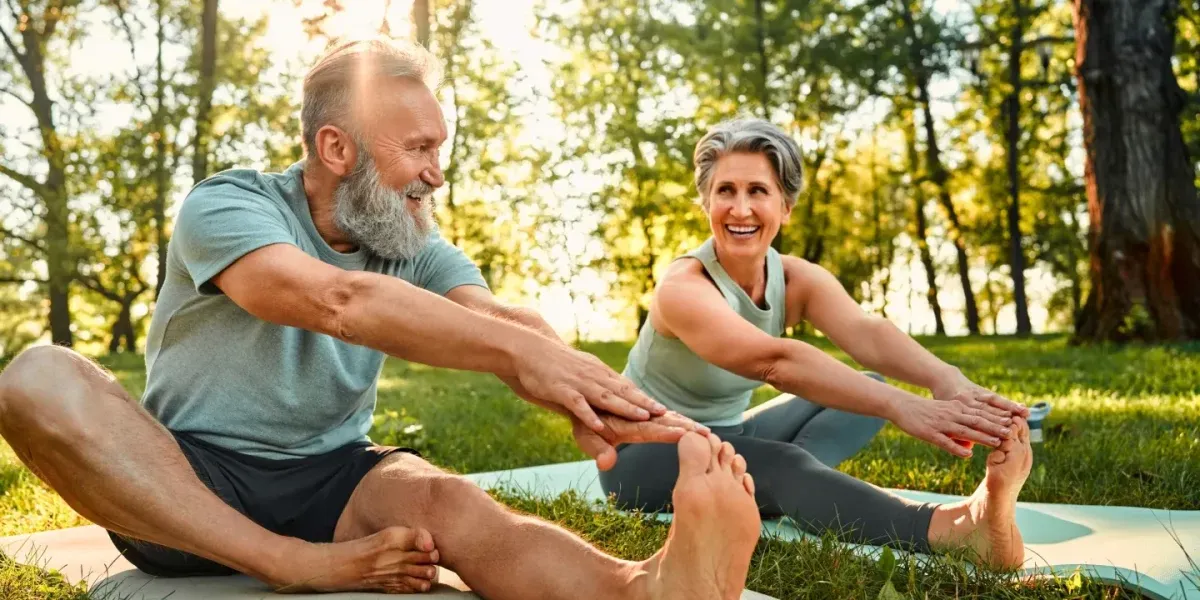
Regular movement for seniors is guided by fitness assessment principles that consider joint health, cardiovascular capacity, posture, and muscle strength. Unlike high-intensity programs for younger populations, senior exercise focuses on safety, consistency, and gradual progress. It is commonly integrated into wellness education, community health programs, and preventive healthcare strategies.
Importance: Why Senior Fitness Matters Today
Exercise for seniors matters because aging naturally affects muscles, bones, balance, and endurance. Reduced activity levels can increase the risk of falls, chronic conditions, and loss of independence. Physical activity addresses these challenges by improving functional fitness and supporting daily tasks such as walking, lifting, and standing.
Key reasons this topic is important include:
-
Supporting mobility improvement strategies that help seniors move safely
-
Reducing fall risk through balance and coordination exercises
-
Helping manage long-term health conditions like joint stiffness and reduced circulation
-
Supporting mental well-being, focus, and sleep quality
-
Encouraging active living habits that reduce sedentary behavior
This topic primarily affects older adults, caregivers, healthcare educators, and community health planners. It also plays a role in preventive healthcare planning, where regular physical activity helps reduce strain on healthcare systems by lowering injury and hospitalization risks.
Recent Updates: Current Trends and Developments
In recent months, senior fitness guidance has shifted toward personalized and adaptive exercise routines. Health professionals increasingly recommend movement plans based on individual mobility levels rather than age alone. Chair-based workouts, balance-focused routines, and functional strength exercises have become more common in community programs.
Another notable trend is the integration of digital fitness tracking for older adults. Simple step tracking, heart rate awareness, and movement reminders are being used to encourage consistent activity without complexity. Educational materials now emphasize short, frequent exercise sessions rather than long workouts, aligning better with energy levels and joint comfort.
There is also increased attention on combining physical activity with social engagement. Group exercise sessions, whether in community spaces or guided virtually, are recognized for improving motivation and emotional health alongside physical benefits.
Laws or Policies: Public Health and Senior Activity
Exercise for seniors is influenced by public health guidelines and aging-related wellness programs in many countries. Government-supported healthy aging initiatives often encourage regular physical activity as part of disease prevention and mobility preservation. These programs may provide standardized physical activity recommendations, safety guidelines, and educational resources for older adults.
Policies related to preventive healthcare often recognize physical activity as a key factor in reducing fall-related injuries and improving quality of life. Community centers, senior housing developments, and public health campaigns commonly align with these guidelines to promote safe movement, balance training, and strength maintenance.
While regulations vary by region, the overall policy direction supports accessible physical activity education for seniors, focusing on safety, inclusivity, and long-term health outcomes.
Tools and Resources: Helpful Support for Senior Exercise
A variety of tools and resources support safe and effective exercise for seniors without requiring advanced technology.
Commonly used resources include:
-
Fitness assessment worksheets to track mobility and strength progress
-
Printed exercise charts for balance, flexibility, and strength routines
-
Wearable fitness trackers with step and movement monitoring
-
Mobile applications focused on low-impact workouts and stretching
-
Educational videos demonstrating correct posture and movement
-
Community wellness guides for active aging programs
These tools help seniors and caregivers monitor progress, maintain consistency, and adapt exercises as physical abilities change.
Common Exercise Types for Seniors (Overview Table)
| Exercise Type | Primary Focus | Example Activities |
|---|---|---|
| Aerobic Movement | Heart health and endurance | Walking, light cycling |
| Strength Training | Muscle support and stability | Bodyweight exercises |
| Balance Exercises | Fall prevention | Single-leg stands |
| Flexibility Work | Joint mobility | Gentle stretching |
| Functional Fitness | Daily activity support | Sit-to-stand practice |
FAQs: Clear Answers to Common Questions
What types of exercise are safest for seniors?
Low-impact activities such as walking, stretching, balance exercises, and light strength training are generally considered safe when performed with proper guidance and attention to individual limits.
How often should seniors exercise?
Consistency is more important than intensity. Many guidelines suggest regular movement spread across the week, including strength, balance, and flexibility activities.
Can exercise help reduce fall risk?
Yes. Balance and strength exercises improve coordination and muscle control, which are key factors in fall prevention strategies.
Is it normal to feel soreness after exercising?
Mild soreness can occur when starting or adjusting an exercise routine. Persistent pain or discomfort may indicate the need to modify activity levels or techniques.
Do seniors need special equipment to exercise?
Most senior exercises can be done using bodyweight, chairs, or simple household items, making them accessible and adaptable.
Conclusion: Supporting Active Living Through Exercise
Exercise for seniors plays a vital role in maintaining independence, mobility, and overall well-being. By focusing on safe movement, balance, strength, and flexibility, older adults can support daily functioning and reduce health risks associated with inactivity. Current trends emphasize personalized routines, consistent movement, and accessible tools that encourage long-term participation.
As part of preventive healthcare and active living education, senior exercise supports healthier aging and improved quality of life. With clear guidance, appropriate resources, and supportive environments, physical activity remains a practical and effective approach to aging well.
Disclaimer: The information provided in this article is for informational purposes only. We do not make any claims or guarantees regarding the accuracy, reliability, or completeness of the information presented. The content is not intended as professional advice and should not be relied upon as such. Readers are encouraged to conduct their own research and consult with appropriate professionals before making any decisions based on the information provided in this article

