Explained Laser Cutting Machines: Complete Information, Guidance, and Essential Insights
Laser cutting machines use a concentrated beam of light to cut through materials with precision. The laser’s energy melts or vaporizes the material along the desired path, creating a clean and accurate edge. Unlike traditional cutting tools, lasers do not make physical contact with the material, which reduces wear and tear and ensures smoother finishes.
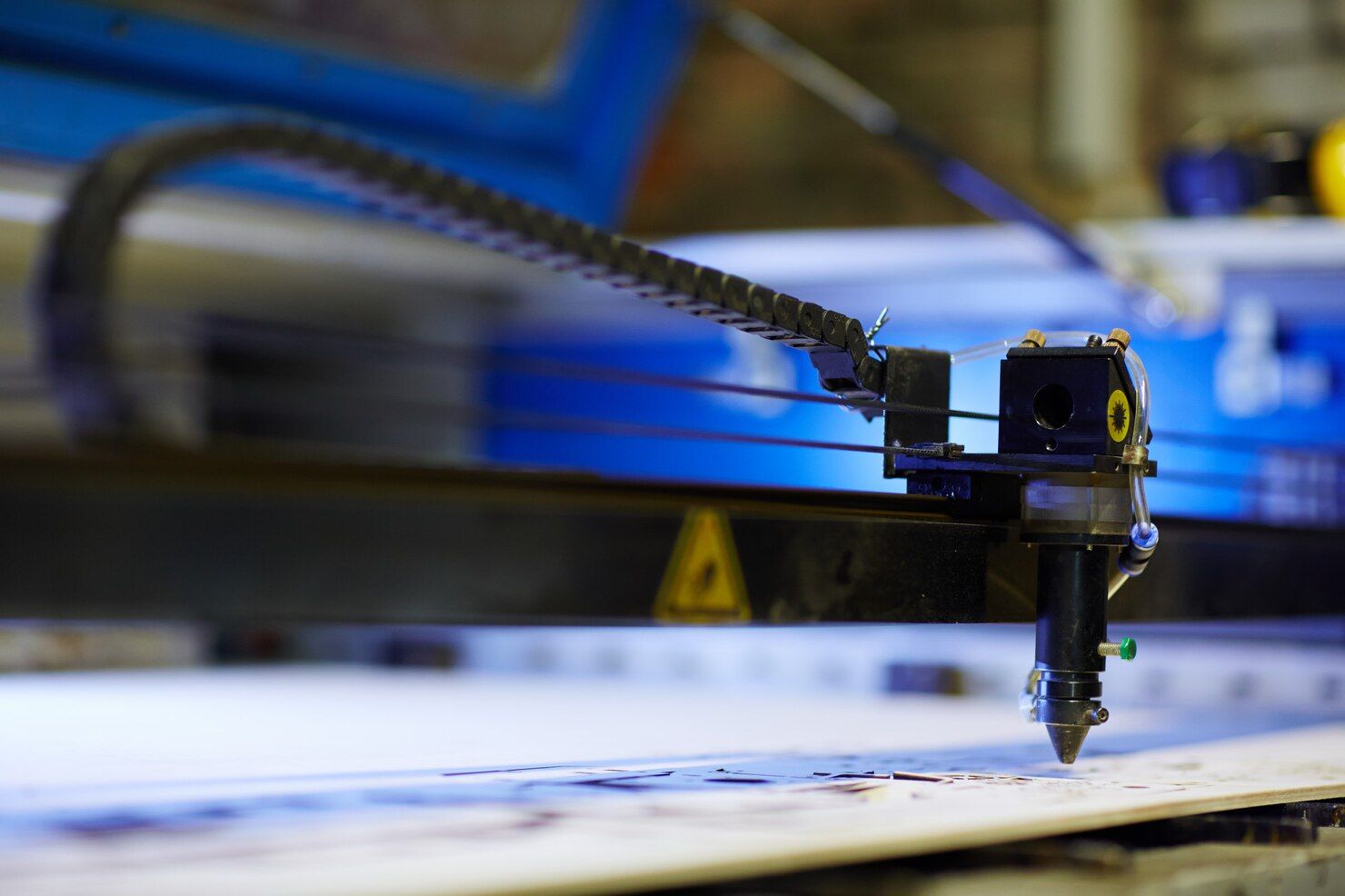
These machines exist to meet the demand for high-accuracy, efficient, and versatile cutting solutions. Over the years, laser cutting has become essential in industries such as manufacturing, automotive, electronics, and design. It enables manufacturers to create complex shapes, reduce waste, and improve consistency - all while working faster than conventional methods.
Importance
Laser cutting technology matters today because it supports efficiency, precision, and modern production demands. Industries depend on it to achieve better accuracy and smoother finishes, even on challenging materials.
Key reasons for its importance include:
-
Precision and consistency: Ideal for producing intricate designs and tight tolerances.
-
Versatility: Suitable for a wide range of materials like metals, plastics, wood, and composites.
-
Reduced waste: Controlled beam movement ensures minimal material loss.
-
Improved productivity: Faster cutting speeds mean reduced production time.
-
Automation integration: Machines can now connect with design software for fully automated cutting lines.
This technology benefits manufacturers, engineers, designers, and industries that rely on high-quality fabrication. It helps solve production issues like inconsistent quality, excess material waste, and slow output in manual cutting methods.
Recent Updates and Trends
In the past year, laser cutting machines have undergone significant improvements, making them more efficient and intelligent.
Some recent developments include:
-
Fibre laser dominance: The shift from CO₂ lasers to fibre lasers has accelerated, as fibre technology offers higher efficiency, better performance on reflective metals, and lower maintenance.
-
Automation and AI integration: Newer systems now include smart controls, predictive maintenance, and automated loading/unloading for continuous operation.
-
Compact and energy-efficient models: Manufacturers are developing smaller, eco-friendly machines with reduced power consumption.
-
Global market growth: As of 2024, the global laser cutting machine market is valued at over 6 billion USD, projected to double within a decade due to the growing demand for precision manufacturing.
-
Sustainability focus: There is greater emphasis on machines designed for energy efficiency and recyclable materials to align with global green manufacturing goals.
-
Software enhancements: Improved CAD/CAM integration and digital twin technology help simulate and optimize cutting paths before actual production.
Laws and Policies
Laser cutting machines are subject to safety, environmental, and workplace regulations depending on the country and region.
Important regulatory aspects include:
-
Laser safety classification: Machines are categorized based on the power of their laser beam. Operators must follow class-specific safety measures, including protective eyewear and enclosure requirements.
-
Workplace safety regulations: Many countries require compliance with occupational health and safety standards. These regulations ensure operators are protected from laser radiation, fumes, and fire hazards.
-
Environmental rules: Ventilation systems must properly manage fumes and particulate emissions produced during cutting. Some materials are restricted due to hazardous vapor emissions.
-
National standards:
-
International standards such as IEC 60825 govern laser product safety.
-
In India, IS 14624-2 provides specific safety requirements for laser systems.
-
In the U.S., OSHA and FDA regulations cover safe handling and classification of laser equipment.
-
-
Government support: Many industrial programs promote advanced manufacturing and innovation. Technology development boards in several countries fund laser technology projects to enhance domestic production and research.
Tools and Resources
For individuals and organizations using or learning about laser cutting machines, the following resources and tools can be highly useful:
-
Design Software: CAD and CAM software such as AutoCAD, SolidWorks, and Fusion 360 for creating cutting patterns and optimizing designs.
-
Simulation Tools: Digital twin and cut-path simulators to preview designs before actual production.
-
Safety Resources: Laser safety checklists, operator training materials, and certified protective gear guides.
-
Technical Standards: Documents detailing safety classifications, permissible exposure limits, and operational guidelines.
-
Maintenance Templates: Routine inspection sheets for checking optics, cooling systems, filters, and nozzles.
-
Market and Research Reports: Insights into manufacturing trends, material compatibility, and power requirements for various applications.
These resources help operators maintain efficiency, safety, and compliance while improving the overall quality of laser-cut products.
FAQs
What are the main types of laser cutting machines?
The two primary types are CO₂ lasers and fibre lasers. CO₂ lasers work well for non-metal materials like wood and acrylics, while fibre lasers are better for cutting metals due to their efficiency and low maintenance requirements.
Is laser cutting safe to use?
Yes, when proper precautions are taken. Operators should wear protective eyewear, ensure the workspace is enclosed, use proper ventilation, and follow all safety regulations. Routine maintenance and training are key to ensuring a safe environment.
Which materials can be processed using laser cutting?
Laser cutting machines can process metals such as steel, aluminum, brass, and copper, as well as non-metals like plastics, wood, fabrics, and ceramics. The choice depends on the machine’s laser type and power.
How long does a laser cutting machine last?
With regular maintenance, proper cooling, and clean optics, a modern laser cutting machine can last anywhere between 8 to 15 years or more. The lifespan largely depends on usage intensity and operating conditions.
What are the essential maintenance practices for laser cutting machines?
Routine practices include cleaning lenses and mirrors, aligning the beam path, inspecting nozzles, checking filters, and ensuring proper water cooling. Preventive maintenance extends the life of the machine and ensures consistent performance.
Conclusion
Laser cutting machines represent a cornerstone of modern manufacturing, offering precision, flexibility, and reliability. Their role extends beyond industrial use - they are also vital in education, research, and creative industries. With advancing fibre laser technology, improved automation, and global attention to sustainable production, laser cutting continues to shape the future of material processing.
Understanding its operation, safety standards, and ongoing innovations helps individuals and businesses stay informed and prepared for the evolving landscape of manufacturing technology.

