Explore Bioenergy Power Solutions: Detailed Insights, Information, and Helpful Suggestions
Bioenergy power solutions refer to methods of generating electricity, heat, or fuel from biological materials known as biomass. Biomass includes agricultural residues, forestry waste, organic municipal waste, algae, and specially grown energy crops. These materials store energy from the sun through photosynthesis. When processed through advanced biomass conversion technologies, that stored energy can be transformed into usable power.
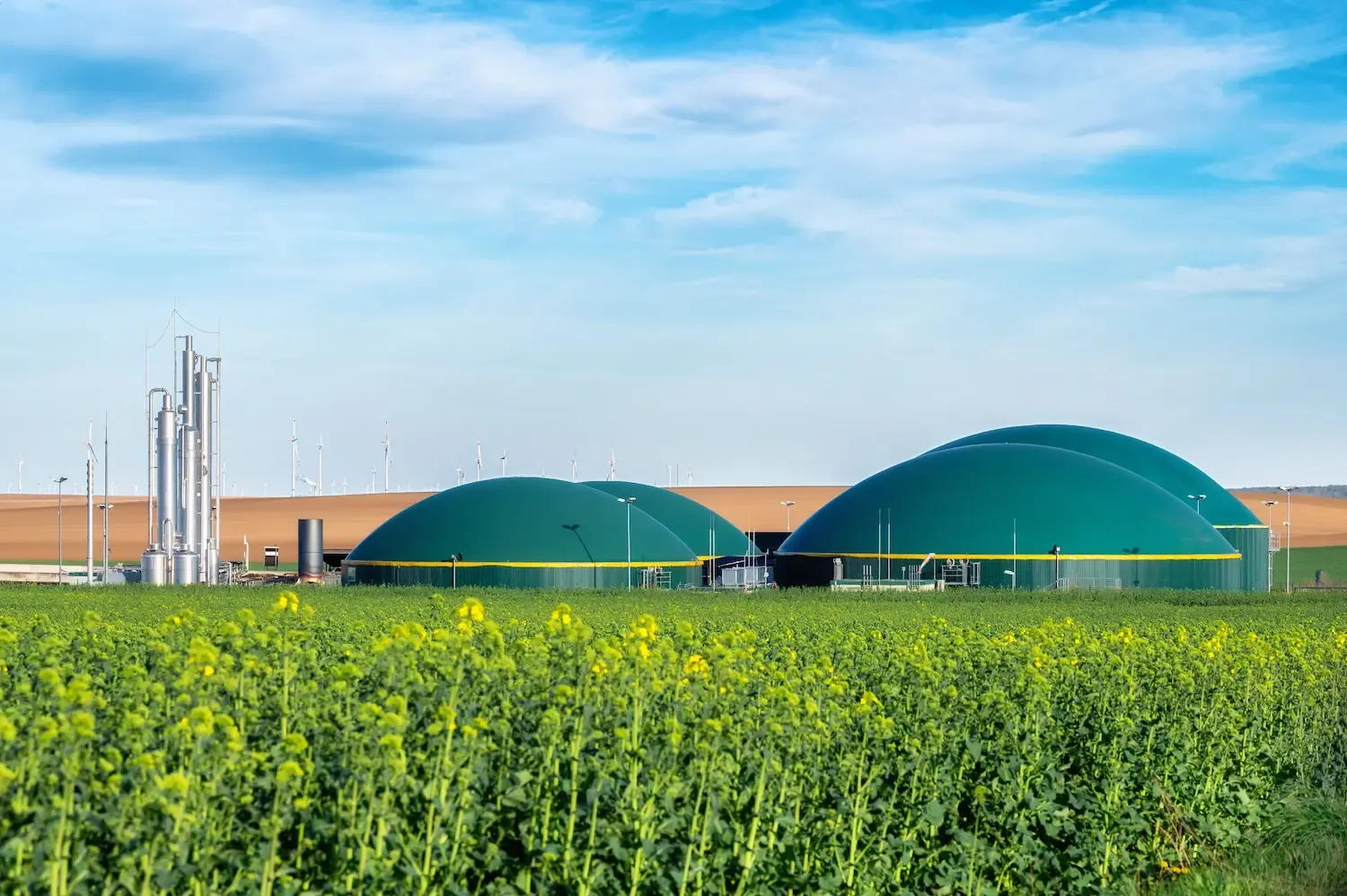
Unlike fossil fuels, bioenergy relies on renewable resources that can be replenished over time. It exists because societies need sustainable energy generation methods that reduce greenhouse gas emissions, improve energy security, and manage organic waste more efficiently.
Bioenergy systems typically operate through:
-
Direct combustion in biomass power plants
-
Anaerobic digestion producing biogas
-
Gasification and pyrolysis creating bio-syngas
-
Biofuel production such as ethanol and biodiesel
These technologies fall under the broader category of renewable energy systems and are often integrated into smart grid infrastructure and distributed energy networks.
Why Bioenergy Power Solutions Matter Today
The global energy transition is driven by the need for low-carbon energy alternatives. Bioenergy plays a practical role because it can provide reliable baseload electricity, unlike some intermittent renewable sources.
Bioenergy affects:
-
Rural communities supplying agricultural feedstock
-
Waste management systems handling organic materials
-
Industrial sectors seeking carbon reduction strategies
-
Governments pursuing energy diversification
One of the main problems bioenergy addresses is organic waste accumulation. Agricultural residues and municipal organic waste can release methane if left unmanaged. Converting this waste into renewable electricity or renewable natural gas helps reduce emissions while creating productive use from by-products.
Another advantage is grid stability. Biomass power generation can operate continuously, supporting energy storage solutions and reducing dependency on fossil fuel–based thermal plants.
Below is a simplified comparison of energy characteristics:
| Energy Source | Renewable | Baseload Capability | Waste Reduction Benefit | Carbon Reduction Potential |
|---|---|---|---|---|
| Biomass Energy | Yes | High | High | Moderate to High |
| Solar Power | Yes | Low | Low | High |
| Wind Power | Yes | Low | Low | High |
| Coal | No | High | None | Low |
Bioenergy is especially relevant in countries with large agricultural sectors, where biomass supply chains are well established.
Key Bioenergy Technologies and Examples
Drax Group
Drax Group operates one of the world’s largest biomass power stations. It converted former coal units into biomass-based generation facilities, using compressed wood pellets as fuel. This illustrates how existing infrastructure can adapt to renewable energy technology.
Ørsted
Ørsted has transitioned from fossil fuels to renewable energy, including sustainable biomass combined heat and power systems. These plants supply both electricity and district heating, improving overall energy efficiency.
These examples show how bioenergy integrates into modern decarbonization strategies.
Recent Updates and Industry Trends
Bioenergy power solutions have seen several technological and policy-driven developments over the past year.
Advanced biofuels research has expanded, focusing on second-generation feedstocks like agricultural waste and algae rather than food crops. This helps address food-versus-fuel concerns.
Carbon capture and storage integration with biomass plants, often referred to as BECCS (Bioenergy with Carbon Capture and Storage), is gaining attention. This approach can potentially result in negative emissions because plants absorb carbon dioxide during growth.
Digital monitoring systems are also improving biomass supply chain management. Artificial intelligence tools are being used to optimize feedstock logistics, combustion efficiency, and emission control performance.
Other notable trends include:
-
Increased investment in renewable natural gas production
-
Expansion of decentralized bioenergy systems for rural electrification
-
Greater emphasis on lifecycle carbon accounting
-
Improved biomass sustainability certification frameworks
Governments have also updated renewable portfolio standards and emission targets, influencing how bioenergy fits into national energy strategies.
Laws, Regulations, and Government Programs
Bioenergy power solutions are influenced by environmental regulations, renewable energy incentives, and carbon reduction policies.
In the United States, programs such as the Renewable Fuel Standard (RFS) encourage biofuel blending in transportation fuels. The Environmental Protection Agency sets compliance guidelines for biomass emissions and lifecycle analysis.
In the European Union, the Renewable Energy Directive establishes sustainability criteria for biomass sourcing. Power plants must meet strict environmental standards related to land use, biodiversity, and greenhouse gas accounting.
In India, the Ministry of New and Renewable Energy supports biomass-based power generation through national renewable energy targets and biomass cogeneration initiatives. Policies focus on agricultural residue utilization to reduce air pollution from crop burning.
Common regulatory considerations include:
-
Emission limits for particulate matter and nitrogen oxides
-
Sustainable sourcing certifications
-
Grid interconnection standards
-
Waste management compliance
Clear policy frameworks help ensure bioenergy projects align with climate commitments and environmental safeguards.
Tools and Resources for Bioenergy Knowledge
Several digital platforms and analytical tools support understanding and planning bioenergy systems.
Energy modeling software can simulate biomass plant efficiency and carbon intensity. Lifecycle assessment calculators estimate greenhouse gas emissions across supply chains.
Useful resources include:
-
International Energy Agency for renewable energy data reports
-
U.S. Department of Energy bioenergy technology databases
-
Ministry of New and Renewable Energy policy guidelines and biomass program details
-
National renewable energy laboratories offering research publications
Practical tools often include:
-
Biomass resource assessment templates
-
Biogas yield calculators
-
Carbon footprint tracking spreadsheets
-
Renewable energy feasibility study frameworks
These tools help researchers, policymakers, and students better understand biomass power plant design, renewable energy integration, and environmental impact assessment.
Environmental and Economic Insights
Bioenergy contributes to circular economy principles. Organic waste streams are redirected into productive use rather than landfills. This reduces methane emissions and improves waste-to-energy conversion rates.
Economically, bioenergy supports rural agricultural value chains. Crop residues, forestry by-products, and animal waste become feedstock inputs, creating additional income streams for farming communities without changing land ownership patterns.
From a technical standpoint, modern biomass power plants incorporate:
-
High-efficiency steam turbines
-
Emission filtration systems
-
Automated feedstock handling
-
Smart grid compatibility
When integrated with solar and wind, bioenergy improves energy reliability while maintaining renewable energy targets.
Frequently Asked Questions
What is the difference between bioenergy and biofuel?
Bioenergy refers to energy generated from biological materials in various forms, including electricity and heat. Biofuel specifically refers to liquid or gaseous fuels like ethanol or biodiesel derived from biomass.
Is bioenergy carbon neutral?
Bioenergy can be low-carbon when sustainably managed. Plants absorb carbon dioxide during growth, which offsets emissions released during combustion. However, full lifecycle assessment is necessary to evaluate net emissions.
Can bioenergy replace fossil fuels completely?
Bioenergy is part of a diversified renewable energy mix. While it can reduce reliance on fossil fuels, complete replacement depends on feedstock availability, land use considerations, and technological scalability.
Does bioenergy compete with food production?
Second-generation bioenergy technologies focus on agricultural residues and non-food crops to reduce competition with food systems.
How efficient are biomass power plants?
Efficiency varies depending on technology. Combined heat and power systems can reach higher overall efficiency by using both electricity and thermal output.
Conclusion
Bioenergy power solutions represent a practical component of the global renewable energy transition. By transforming agricultural waste, forestry residues, and organic materials into usable electricity and fuel, bioenergy supports waste reduction, rural development, and carbon mitigation strategies.
Technological advancements such as advanced biofuels, carbon capture integration, and digital monitoring systems are shaping the future of biomass energy systems. Regulatory frameworks and sustainability standards continue to influence how projects are designed and implemented.
For individuals and policymakers seeking sustainable energy solutions, bioenergy offers a balanced approach that combines environmental responsibility with energy reliability. As research evolves and policies adapt, bioenergy remains a significant contributor to diversified renewable power generation systems worldwide.

