Explore Car Battery Manufacturing: Important Details, Facts, and Essential Insights
Car battery manufacturing focuses on producing the energy storage systems that power vehicles, support electrical components, and enable modern automotive technologies. These batteries exist because vehicles require a stable and durable source of electrical energy to start engines, run lighting systems, and operate onboard electronics.
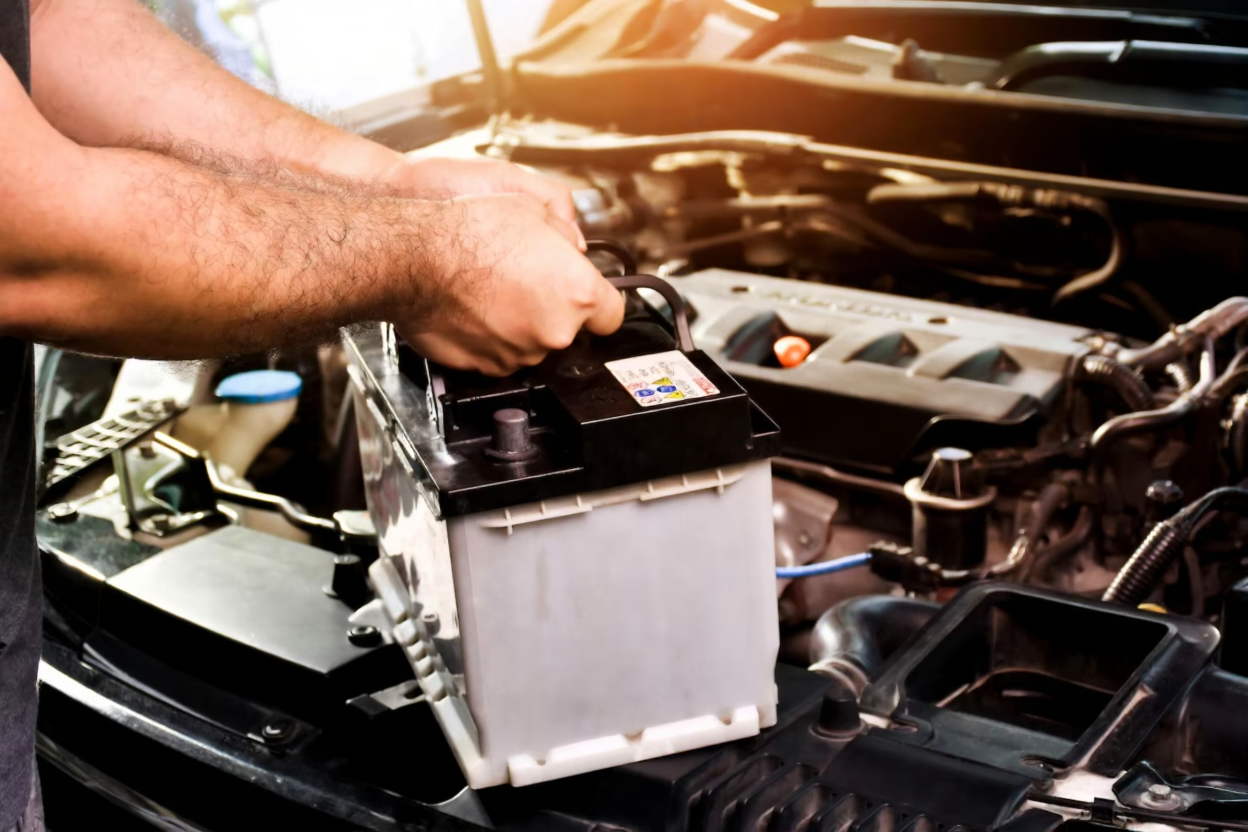
Traditional lead-acid batteries have been used for decades, while newer lithium-ion systems are becoming central to hybrid and electric vehicle architecture. Manufacturing processes vary by battery type but commonly involve material preparation, electrode fabrication, assembly, electrolyte filling, formation, and quality testing.
Manufacturing facilities rely on controlled environments, precise chemical handling, and standardized production workflows to ensure performance, safety, and long operating life. The shift toward cleaner mobility continues to influence what materials are used, how batteries are designed, and how factories operate.
Importance
Car battery manufacturing plays a significant role in today’s automotive landscape because transportation systems are becoming more electrified. Strong, reliable, and energy-efficient battery technologies support modern safety electronics, infotainment systems, fuel-saving start-stop features, and full electric propulsion.
This topic affects:
-
Vehicle owners who depend on dependable energy storage
-
Automakers integrating advanced energy-efficient components
-
Logistics and fleet operations that require consistent battery reliability
-
Environmental planners monitoring battery material lifecycles
-
Researchers exploring innovations in high-capacity storage
Car battery manufacturing also contributes to reducing emissions through the development of advanced batteries used in hybrid and electric vehicles. New technologies solve problems such as energy density limitations, battery degradation, and recycling challenges. Improved thermal management and advanced cell chemistry help prevent overheating, extend life, and support efficient power delivery for various vehicle types.
Recent Updates (Past Year)
The car battery manufacturing sector has seen notable developments in the last year due to increasing global interest in cleaner energy and electric mobility.
-
2024 – Rise in solid-state battery research: Several companies increased investments in solid-state prototypes designed to enhance safety and energy density.
-
Mid-2024 – Growth in lithium-iron-phosphate (LFP) adoption: Automakers expanded their use of LFP batteries for their stability and long cycle life.
-
2024 – Expansion of battery recycling facilities: New initiatives focused on recovering lithium, nickel, and cobalt to support circular manufacturing processes.
-
Late 2024 – AI-integrated manufacturing controls: Some factories incorporated machine-learning systems to improve quality monitoring and reduce production defects.
-
2024–2025 – Increased focus on sustainability metrics: More factories began reporting carbon-neutral or reduced-emission production methods.
These developments reflect a broader shift toward improving efficiency, lowering environmental impact, and strengthening supply chain resilience.
Laws or Policies
Car battery manufacturing is shaped by several regulatory frameworks that govern environmental standards, material handling, transportation, and recycling. While rules vary globally, common policies influence manufacturing processes in areas such as:
-
Battery Material Regulations: Requirements for safe handling of lead, lithium, and electrolyte chemicals.
-
Environmental Compliance: Standards for emissions, wastewater treatment, and air quality management during production.
-
Extended Producer Responsibility (EPR): Guidelines that make manufacturers responsible for recycling used batteries.
-
Safety Standards: Mandatory testing procedures to prevent risks such as short circuits, leakage, or thermal events.
-
Chemical Classification Rules: Policies related to the labeling, storage, and transport of hazardous substances used in battery assembly.
Government programs in several regions encourage research, sustainable mining practices, recycling innovation, and large-scale battery plant development to strengthen domestic production and reduce import dependence.
Tools and Resources
A variety of tools and resources help researchers, students, and professionals understand or analyze aspects of car battery manufacturing.
Useful Online Tools
-
Battery design simulators: For understanding cell structures and performance modeling.
-
Material-composition calculators: Used to estimate electrode ratios and electrolyte quantities.
-
Lifecycle analysis tools: Evaluate environmental impact across extraction, production, and recycling stages.
-
Thermal management analysis software: Helps predict heat generation and cooling requirements.
Helpful Websites and Portals
-
Automotive engineering forums that discuss battery cell architecture and manufacturing trends
-
Energy-storage data platforms that track technology advancements
-
Regulatory documentation portals that provide access to environmental and safety guidelines
Example Table: Basic Battery Types and Production Features
| Battery Type | Common Materials | Key Manufacturing Focus | Typical Use |
|---|---|---|---|
| Lead-Acid | Lead plates, sulfuric acid | Plate formation, grid casting | Conventional cars |
| AGM | Absorbent glass mat, lead | Spill-proof construction | Start-stop systems |
| Lithium-Ion | Lithium salts, graphite, metal oxides | Cell assembly, electrolyte filling, sealing | EVs & hybrids |
| LFP | Lithium-iron-phosphate, carbon | Long-life chemistry, thermal stability | EVs & heavy duty |
FAQs
What materials are commonly used in car battery manufacturing?
Lead, lithium compounds, graphite, aluminum, nickel, and various electrolytes are the most common materials. Their selection depends on the battery type and intended vehicle application.
How long does a typical car battery last?
Battery life varies by technology and usage. Lead-acid batteries generally have shorter lifespans than lithium-ion systems, which are designed for longer cycles and deeper discharge patterns.
Why is battery recycling important?
Recycling allows recovery of valuable materials, reduces environmental impact, and reduces dependence on raw mineral extraction. It also supports safer disposal methods for hazardous components.
Which factors influence battery performance?
Temperature, charging patterns, chemical composition, manufacturing quality, and internal resistance all affect performance and longevity.
Are lithium-ion batteries safer than traditional types?
Different battery chemistries have different safety characteristics. Lithium-ion systems require advanced thermal management, while lead-acid batteries are stable but heavy. Modern manufacturing and safety standards help reduce risks in both categories.
Conclusion
Car battery manufacturing continues to evolve with changing vehicle technology, material innovations, and environmental expectations. Advancements in chemistry, production methods, and recycling practices are creating more efficient, durable, and reliable energy-storage solutions for modern transportation.
Understanding how these batteries are designed, produced, and regulated provides important clarity for anyone interested in automotive technology, energy systems, or sustainability trends. The ongoing transition toward cleaner mobility ensures that battery-related research, policy development, and industrial growth will remain essential topics in the years ahead.

