Explore Car Repainting: Overview, Facts, Details and Expert Advice
Car repainting refers to the process of renewing or replacing the exterior paint layer of a vehicle. Automotive paint serves several purposes beyond appearance. It protects metal panels from corrosion, shields surfaces from environmental exposure, and preserves the structural integrity of the vehicle body. Over time, sunlight, weather conditions, pollution, and road debris gradually weaken the original paint coating.
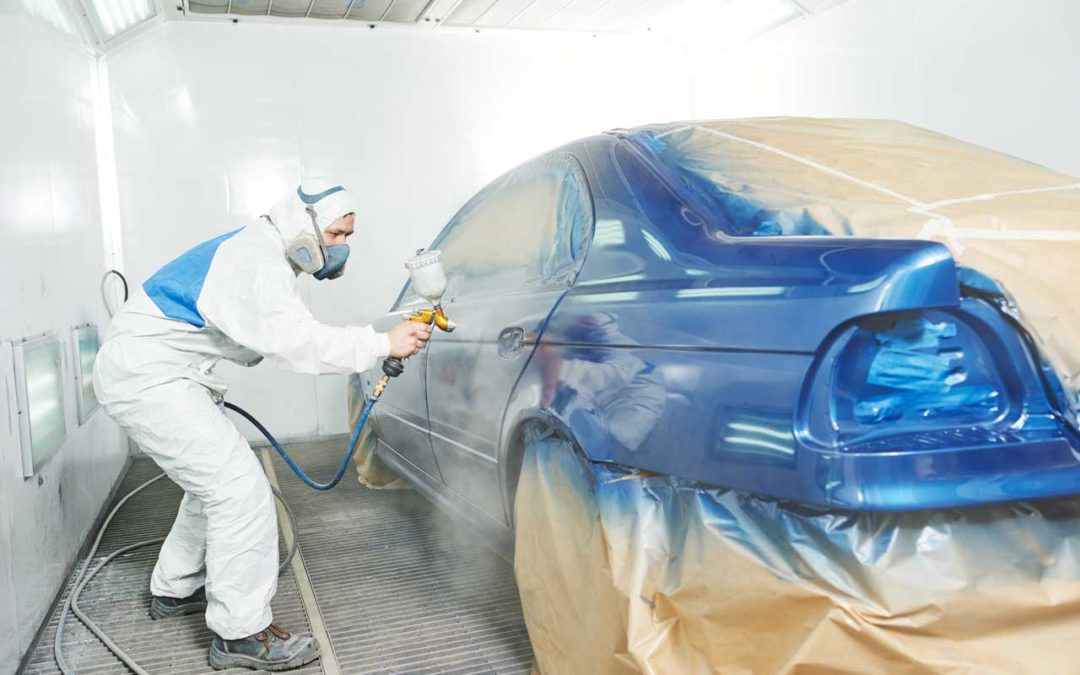
Automotive repainting exists because vehicle surfaces are continuously exposed to ultraviolet radiation, moisture, and temperature changes. These elements slowly degrade the protective layers of paint and clear coat. Repainting restores that protective barrier while also helping maintain visual uniformity across the vehicle’s panels.
The typical automotive paint system consists of several layers:
| Paint Layer | Purpose | Key Characteristics |
|---|---|---|
| Primer | Surface preparation and adhesion | Prevents corrosion and improves paint bonding |
| Base Coat | Color layer | Determines the vehicle’s visible color |
| Clear Coat | Protective outer layer | Adds gloss and shields against UV and scratches |
Modern repainting often uses advanced automotive coatings such as acrylic urethane, polyurethane paint systems, and ceramic-based protective layers. These materials are designed to improve durability, chemical resistance, and long-term surface protection.
Vehicle repainting may be required for several reasons:
-
Paint oxidation and fading
-
Surface scratches and swirl marks
-
Panel replacement after mechanical damage
-
Rust repair and corrosion control
-
Vehicle restoration projects
Automotive paint restoration is widely studied in fields such as automotive engineering, materials science, and vehicle body repair technology because paint performance directly influences vehicle durability and environmental resistance.
Why Automotive Repainting Matters for Vehicle Protection
Car repainting plays a significant role in maintaining vehicle longevity. Automotive paint functions as a protective coating that prevents metal panels from interacting with oxygen and moisture. Without this protective barrier, oxidation can develop quickly, leading to rust formation.
From a materials perspective, repainting contributes to several vehicle protection benefits:
- Surface corrosion prevention
- UV radiation shielding
- Chemical exposure resistance
- Improved aerodynamics through smooth surfaces
- Preservation of structural body panels
Environmental exposure is one of the primary factors influencing automotive paint degradation. Pollutants, acidic rain, and industrial particles can slowly weaken clear coat layers.
The following simplified chart illustrates common environmental effects on vehicle paint surfaces.
| Environmental Factor | Effect on Paint Surface |
|---|---|
| UV Radiation | Color fading and clear coat breakdown |
| Air Pollution | Chemical staining and surface dullness |
| Road Debris | Chips and micro-scratches |
| Moisture Exposure | Rust development on exposed metal |
| Temperature Changes | Expansion cracks and coating stress |
Automotive repainting also affects industries connected to vehicle lifecycle management, including:
- Vehicle refurbishment programs
- Fleet maintenance operations
- Classic vehicle restoration projects
- Automotive coating research
High-performance automotive coatings and automotive paint protection technologies have become important topics in automotive maintenance, vehicle restoration, and protective coating research.
Emerging Trends in Automotive Paint Technology
Recent developments in automotive coatings have focused on improving durability, environmental safety, and application efficiency. Advances in paint chemistry and coating technology have introduced new materials designed to enhance protective performance.
One notable trend is the increasing use of waterborne automotive paints. These coatings reduce solvent emissions and support environmentally responsible manufacturing standards. Many automotive manufacturers and repair facilities have gradually transitioned toward water-based paint systems because they produce lower levels of volatile organic compounds.
Another development involves ceramic-based clear coats. These advanced coatings improve resistance to heat, oxidation, and environmental contaminants. Ceramic particles within the paint layer create a stronger protective barrier against scratches and chemical exposure.
Automotive coating laboratories have also introduced self-healing paint technology, which contains flexible polymers that can recover from minor scratches when exposed to heat.
Recent industry research highlights several paint technology innovations:
| Innovation | Key Benefit |
|---|---|
| Waterborne paint systems | Reduced environmental emissions |
| Nano-ceramic coatings | Improved surface hardness |
| UV-stable pigments | Longer color retention |
| Self-healing polymer coatings | Reduced visibility of minor scratches |
| Smart coating sensors | Monitoring paint degradation |
These technological developments are actively studied in automotive materials engineering, industrial coating research, and vehicle surface protection science.
Regulations and Environmental Policies Affecting Automotive Paint
Automotive paint systems are influenced by environmental regulations designed to limit air pollution and chemical exposure. Government environmental agencies regulate the types of solvents and compounds used in automotive coatings.
One key area of regulation involves volatile organic compounds (VOCs). These chemicals evaporate into the air during paint application and can contribute to atmospheric pollution. Many countries enforce strict limits on VOC levels in automotive paints.
Common regulatory considerations include:
- VOC emission limits in automotive coatings
- Safe chemical handling standards
- Paint disposal and waste management rules
- Environmental protection requirements for repair facilities
Environmental compliance policies often encourage the adoption of:
- Water-based paint technologies
- Low-VOC coating materials
- Advanced spray equipment designed to minimize overspray
Automotive paint regulations are typically overseen by environmental protection authorities and occupational safety organizations. These policies aim to protect both workers and the surrounding environment from harmful chemical exposure.
In addition, automotive manufacturing guidelines often include standardized paint durability testing. These tests evaluate resistance to UV radiation, chemical exposure, and mechanical wear.
Tools and Resources Used in Automotive Repainting
Automotive repainting involves specialized tools and equipment designed to ensure consistent coating quality. Modern paint application relies heavily on precision technology and environmental control systems.
Several tools support accurate paint preparation and application:
- Digital paint thickness gauges for coating measurement
- Automotive color matching software
- Spray pattern calibration equipment
- Surface preparation tools for sanding and smoothing
- Temperature and humidity monitoring devices
Automotive paint laboratories also use specialized equipment to analyze coating durability and chemical composition.
Tool or Resource Overview
| Tool or Resource | Function |
|---|---|
| Paint Thickness Gauge | Measures coating depth |
| Spectrophotometer | Matches paint color accurately |
| Spray Gun System | Applies paint layers evenly |
| Air Filtration Booth | Controls dust and contamination |
| Surface Inspection Light | Detects imperfections |
In addition to physical equipment, digital platforms now support paint formulation research and vehicle color identification databases. These tools assist automotive professionals in maintaining consistency across vehicle panels.
Educational resources related to automotive repainting are commonly found in:
- Automotive engineering training programs
- Vehicle body repair courses
- Industrial coating research institutes
These resources help technicians and researchers understand paint chemistry, application techniques, and surface protection science.
Frequently Asked Questions About Car Repainting
What causes automotive paint to fade over time?
Paint fading primarily occurs due to ultraviolet radiation exposure. Sunlight gradually breaks down pigment molecules and protective clear coat layers. Environmental pollutants and temperature fluctuations can accelerate this process.
How many layers are typically involved in automotive paint systems?
Most automotive paint systems contain three main layers: primer, base coat, and clear coat. Each layer performs a different function, including corrosion protection, color formation, and surface durability.
Why is surface preparation important before repainting?
Surface preparation ensures that the new paint layer adheres properly to the vehicle body. Removing contaminants, smoothing imperfections, and applying primer helps create a stable base for the paint system.
What role does clear coat play in automotive paint?
Clear coat acts as the protective outer layer of the paint system. It provides gloss, protects the color layer, and helps resist scratches, UV radiation, and chemical exposure.
How does modern paint technology improve durability?
New automotive coatings incorporate advanced polymers, nano-particles, and UV-resistant pigments. These materials strengthen the paint surface and increase resistance to environmental damage.
Final Thoughts on Automotive Paint Restoration and Protection
Car repainting is an essential process in vehicle maintenance, restoration, and surface protection. Automotive paint systems serve both aesthetic and structural purposes by shielding vehicle bodies from environmental damage and corrosion.
Advances in automotive coating technology, vehicle surface protection materials, and paint durability research continue to improve the longevity of automotive finishes. These developments help vehicles maintain structural integrity while adapting to modern environmental standards.
Understanding automotive repainting also highlights the complexity of vehicle design. Paint systems involve multiple layers, chemical formulations, and precision application techniques that work together to protect vehicle surfaces.
As automotive materials research progresses, innovations in protective coatings, nano-ceramic paint technologies, and environmentally responsible paint systems are expected to play an increasingly important role in the future of vehicle maintenance and restoration.