Explore Convertible Ottoman Storage Units: Overview, Basics, and Smart Space-Saving Insights
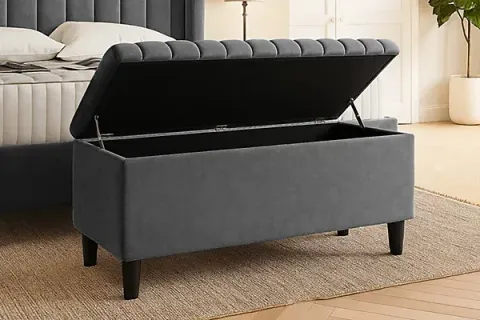
Convertible ottoman storage units are multifunctional furniture pieces designed to combine seating, hidden storage, and sometimes additional features such as fold-out tables or sleeper extensions. Traditionally, an ottoman was a low, upholstered seat without a back or arms. Over time, furniture designers adapted this concept to address modern storage challenges, especially in compact homes and apartments.
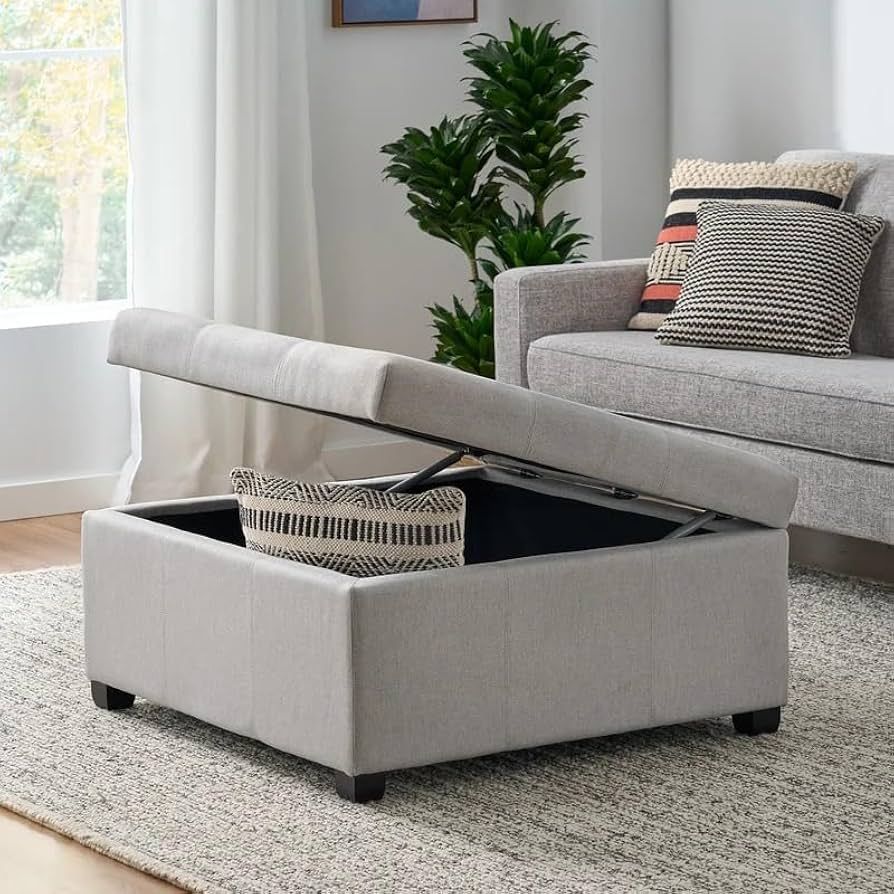 Urban housing trends, smaller living spaces, and flexible interior layouts have increased demand for furniture that serves more than one purpose. Convertible ottomans respond to this need by integrating concealed compartments beneath cushioned tops. Some models open with hinged lids, while others use lift-up trays or removable covers.
These units are commonly used in:
-
Living rooms as footrests and blanket storage
-
Bedrooms for organizing seasonal clothing
-
Studio apartments as seating and storage in one
-
Entryways for shoes and accessories
-
Home offices for document or accessory organization
Many interior design trends now emphasize space optimization and ergonomic layout planning. Convertible ottomans align with principles promoted in sustainable interior frameworks such as LEED (Leadership in Energy and Environmental Design) and standards referenced by the International WELL Building Institute, which encourage efficient space utilization and occupant comfort.
Why Convertible Ottoman Storage Units Matter Today
Modern housing patterns increasingly prioritize compact layouts. In metropolitan areas, apartments and shared living spaces often require creative storage strategies. Convertible ottoman storage units provide a practical solution without increasing visual clutter.
These units are especially relevant for:
-
Apartment residents
-
Students in shared housing
-
Families in smaller homes
-
Remote workers managing hybrid workspaces
-
Minimalist lifestyle followers
One of the most significant advantages is space efficiency. By combining seating and storage, homeowners can reduce the need for additional cabinets or shelving units. This supports clutter management, which studies in environmental psychology link to improved focus and reduced stress.
Energy-efficient housing models and micro-apartment developments also highlight modular furniture as part of sustainable living strategies. Convertible ottomans reduce furniture redundancy and may lower material consumption compared to purchasing multiple standalone pieces.
The growing focus on ergonomic interior design also plays a role. A well-positioned ottoman can improve seating posture when paired with sofas. Some models are engineered with reinforced frames to support adult weight safely, making them functional beyond decorative purposes.
Below is a simplified comparison table illustrating typical features:
| Feature Type | Standard Ottoman | Convertible Ottoman Storage Unit |
|---|---|---|
| Seating Function | Yes | Yes |
| Hidden Storage | No | Yes |
| Fold-Out Surface Option | No | Sometimes |
| Space Optimization | Limited | High |
| Multi-Room Flexibility | Moderate | High |
This combination of flexibility and function explains why the category continues to expand within the home organization and modular furniture segment.
Recent Developments and Design Trends
Convertible ottoman storage units have evolved in response to consumer demand for sustainability, smart interiors, and minimalist design.
Recent trends include:
-
Use of recycled fabrics and certified wood materials
-
Modular cube designs that connect into sectional layouts
-
Neutral color palettes aligned with biophilic interior concepts
-
Lightweight aluminum or engineered wood frames
-
Integrated charging compartments in select premium models
Furniture exhibitions and design expos have highlighted multi-functional seating solutions as part of “compact urban living” themes. Interior planning discussions increasingly reference adaptable furniture as a solution for growing rental housing markets.
Another visible trend is integration with digital lifestyle habits. Some ottomans now include hidden compartments designed to store electronics, cables, and remote devices neatly. This aligns with broader smart home integration strategies.
There is also rising interest in furniture durability and fire-resistant upholstery materials due to enhanced product compliance standards in several countries. Manufacturers are increasingly disclosing material sourcing and testing certifications, reflecting transparency trends in consumer goods sectors.
Regulations, Standards, and Policy Considerations
Convertible ottoman storage units are influenced by furniture safety and manufacturing regulations that vary by country.
In the United States, upholstered furniture is often subject to flammability standards established by regulatory bodies such as the Consumer Product Safety Commission. These guidelines address fire resistance, labeling requirements, and hazard prevention.
In the European Union, furniture manufacturers may align with CE marking requirements and safety directives concerning materials, structural integrity, and chemical usage. Policies under REACH regulations monitor restricted substances in textiles and foams.
Some countries also enforce:
-
Weight load testing requirements
-
Formaldehyde emission limits in engineered wood
-
Upholstery labeling standards
-
Child safety hinge mechanisms
Sustainable furniture production may also follow environmental certifications such as FSC (Forest Stewardship Council) for wood sourcing.
Additionally, government-supported housing programs that encourage compact urban living indirectly increase the demand for multifunctional furniture. Public housing initiatives and small-unit development frameworks often emphasize space-efficient design.
Consumers researching furniture safety may consult public safety advisories or product recall databases to ensure compliance with local standards.
Helpful Tools and Practical Resources
Several digital tools and planning resources can assist individuals in evaluating whether a convertible ottoman storage unit fits their space needs.
Room Planning and Visualization Apps
-
Floor plan creators that simulate room layouts
-
Augmented reality interior visualization tools
-
3D furniture placement software
Space Measurement Calculators
-
Square footage calculators
-
Storage capacity estimators
-
Volume comparison tools
Interior Design Frameworks
-
Minimalist living templates
-
Home organization planners
-
Sustainable material checklists
Digital productivity tools such as SketchUp and room layout features within the IKEA planning ecosystem are frequently used for visualizing furniture scale and spacing.
Consumers may also benefit from reviewing public safety databases managed by agencies like the Consumer Product Safety Commission to verify recall history or material safety information.