Explore Electric Motor Manufacturing: Complete Guide, Basics, Insights, and Industry Knowledge
Electric motor manufacturing refers to the design, engineering, and production of machines that convert electrical energy into mechanical motion. Electric motors power equipment across industrial automation systems, HVAC systems, renewable energy equipment, electric vehicles, robotics, and consumer appliances.
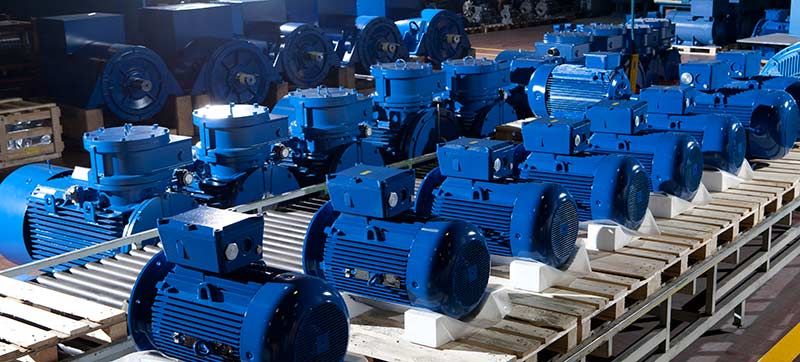
The development of electric motors began during the early discoveries of electromagnetism. Over time, improvements in materials, precision engineering, and power electronics led to highly efficient and reliable motor systems. Today, manufacturing facilities use advanced CNC machining, automated winding machines, rotor balancing systems, and quality testing equipment to produce motors that meet global performance and energy efficiency standards.
Electric motors generally include the following core components:
-
Stator
-
Rotor
-
Windings
-
Bearings
-
Shaft
-
Insulation systems
-
Cooling mechanisms
The manufacturing process typically involves:
-
Core lamination stamping
-
Coil winding
-
Rotor casting or assembly
-
Shaft machining
-
Dynamic balancing
-
Assembly and insulation
-
Performance testing
Modern motor production combines electrical engineering, mechanical engineering, materials science, and industrial automation technology.
Importance
Electric motor manufacturing plays a central role in global infrastructure and industrial productivity. Motors account for a significant portion of worldwide electricity consumption, especially in manufacturing plants, water treatment systems, transportation networks, and commercial buildings.
The importance of electric motor systems can be understood in several areas:
Energy efficiency and power management
Efficient motor design reduces electricity consumption and supports sustainability goals. High-efficiency motors such as IE3 and IE4 classifications help industries lower operational expenses and reduce carbon emissions.
Industrial automation and smart manufacturing
Motors are essential components in conveyor systems, robotics, packaging lines, and process industries. Advanced variable frequency drives (VFDs) allow precise motor control, improving productivity and reducing mechanical wear.
Electric vehicles and mobility
Electric traction motors are central to electric vehicle technology. As electric mobility expands, motor design innovation in permanent magnet motors and induction motors continues to evolve.
Renewable energy systems
Wind turbines and solar tracking systems rely on electric motors and generators. The renewable energy transition has increased demand for high-performance motor manufacturing.
HVAC and infrastructure
Heating, ventilation, and air conditioning systems depend on reliable motors for air handling and pumping operations.
The following table shows common motor types and typical applications:
| Motor Type | Common Applications | Key Advantage |
|---|---|---|
| AC Induction Motor | Industrial pumps, compressors | Durable and low maintenance |
| Permanent Magnet Motor | Electric vehicles, robotics | High efficiency and torque |
| Synchronous Motor | Power plants, heavy machinery | Precise speed control |
| DC Motor | Elevators, small machinery | Simple control systems |
| Brushless DC Motor | Drones, automation equipment | Reduced mechanical wear |
Electric motor production affects manufacturers, utility providers, infrastructure planners, and technology developers. It also influences environmental policy due to its impact on electricity demand and energy efficiency standards.
Recent Updates
The electric motor manufacturing industry has experienced several developments in the past year.
Increased focus on energy efficiency compliance
Regulatory bodies in multiple regions have strengthened minimum energy performance standards (MEPS). Manufacturers are adapting designs to meet higher efficiency classifications and reduce standby losses.
Expansion of EV motor research
Research into axial flux motors and improved magnetic materials has gained attention. These designs aim to increase torque density while reducing overall motor size and weight.
Supply chain diversification
Manufacturers are adjusting sourcing strategies for copper windings, rare earth magnets, and semiconductor components to improve supply stability.
Digital twin and smart factory integration
More production facilities are implementing predictive maintenance systems and digital twin technology. These systems simulate motor performance and manufacturing workflows to improve quality control.
Automation and robotics in production lines
Advanced robotic winding machines and automated inspection systems are being integrated to enhance precision and reduce manufacturing defects.
The simplified graph below illustrates general industry focus trends:
Motor Manufacturing Trend Emphasis (Illustrative)
Energy Efficiency ██████████
EV Technology █████████
Automation ████████
Digital Monitoring ███████
Sustainable Materials ██████
This shift reflects broader global industrial transformation toward electrification and sustainability.
Laws or Policies
Electric motor manufacturing is influenced by national and international regulations related to energy efficiency, environmental standards, and product safety.
Energy efficiency regulations
Many countries enforce Minimum Energy Performance Standards (MEPS) for industrial motors. These standards classify motors by efficiency levels and restrict lower-efficiency products.
Environmental compliance
Manufacturers must follow environmental regulations related to waste management, insulation materials, and emissions from foundry and machining processes.
Electrical safety standards
Motors must meet safety certifications and insulation requirements defined by electrical regulatory authorities.
Government sustainability programs
In some countries, industrial modernization programs encourage the adoption of high-efficiency motors and variable frequency drives to reduce industrial power consumption.
Export compliance
Manufacturers exporting motors must comply with international technical standards, electromagnetic compatibility rules, and product labeling requirements.
These policies encourage innovation while ensuring product reliability and environmental responsibility.
Tools and Resources
Several tools and digital platforms support electric motor design, analysis, and manufacturing operations.
Motor design and simulation software
-
Electromagnetic field simulation tools
-
Finite Element Analysis (FEA) software
-
Thermal modeling platforms
Energy efficiency calculators
-
Industrial motor efficiency comparison calculators
-
Load analysis tools
-
Power factor correction assessment tools
Manufacturing support systems
-
Computer-Aided Design (CAD) software
-
Computer-Aided Manufacturing (CAM) systems
-
Enterprise Resource Planning (ERP) systems
Testing and diagnostic equipment
-
Motor performance analyzers
-
Vibration monitoring devices
-
Insulation resistance testers
-
Thermal imaging systems
Training and technical standards resources
-
Electrical engineering reference manuals
-
Industrial automation certification materials
-
Energy efficiency compliance documentation
These tools help improve design precision, reduce manufacturing errors, and ensure regulatory compliance.
Frequently Asked Questions
What is the difference between AC and DC motors?
AC motors operate using alternating current and are widely used in industrial applications due to durability and efficiency. DC motors use direct current and allow simpler speed control in smaller systems.
Why is motor efficiency important in industrial automation?
High-efficiency motors reduce energy consumption, improve power factor performance, and support sustainability targets. Since motors consume large amounts of electricity in industrial settings, efficiency improvements can significantly impact overall power usage.
What materials are commonly used in electric motor manufacturing?
Common materials include copper for windings, silicon steel for laminations, aluminum or cast iron for housings, high-grade insulation materials, and magnetic alloys for rotors.
How does a variable frequency drive improve motor performance?
A variable frequency drive adjusts motor speed by controlling input frequency and voltage. This reduces energy waste, enhances operational control, and extends equipment lifespan.
What are the main challenges in motor manufacturing today?
Key challenges include improving efficiency standards, managing raw material supply, reducing production emissions, and integrating smart monitoring technologies into traditional manufacturing systems.
Conclusion
Electric motor manufacturing is a foundational industry that supports industrial automation, renewable energy systems, electric vehicles, HVAC infrastructure, and modern manufacturing processes. By combining electrical engineering, precision machining, advanced materials, and digital monitoring technologies, manufacturers continue to improve motor performance and energy efficiency.
Stronger regulatory frameworks, sustainability goals, and technological innovation are shaping the future of motor production. As global demand for electrification increases, electric motor manufacturing remains central to infrastructure development, industrial productivity, and environmental responsibility.
Understanding its processes, standards, and evolving technologies helps businesses, engineers, and policymakers make informed decisions about energy efficiency, automation systems, and sustainable development.

