Explore House Piping Systems: Insights, Materials, and Installation Tips
House piping systems are the network of pipes that deliver clean water to faucets, showers, and appliances, and carry wastewater away. These systems are essential for everyday life, enabling basic hygiene, cooking, cleaning, and heating.
They are typically hidden behind walls, floors, and ceilings, yet play a critical role in maintaining household functionality. Piping systems include both supply systems (which bring in water) and drainage systems (which remove waste and rainwater).
Piping systems are not one-size-fits-all; the right type depends on the building’s age, water needs, climate, and local codes. From older galvanized steel to modern PEX or CPVC, the materials and layouts vary widely.
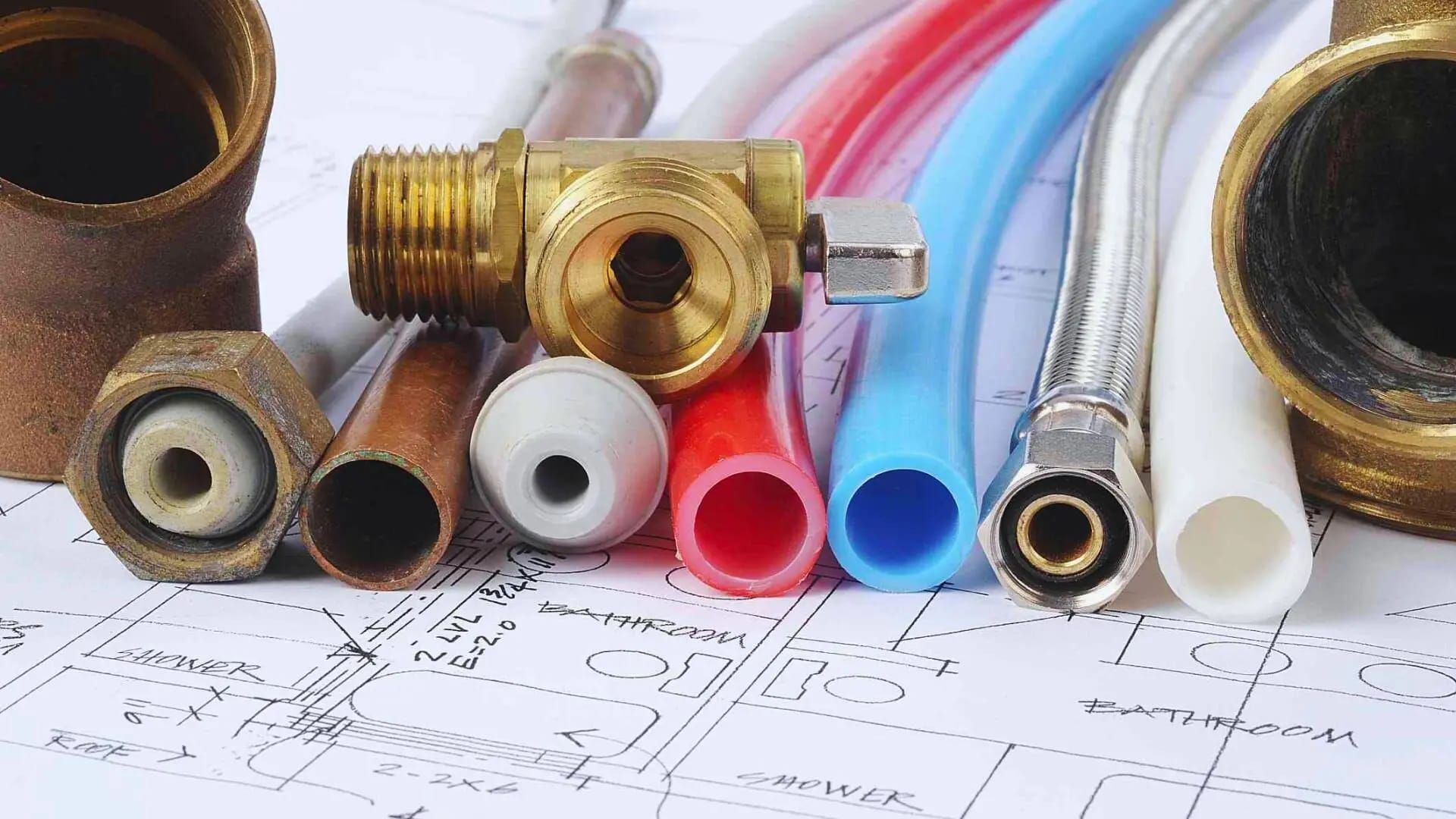
Why House Piping Systems Are So Important Today
In today's homes, efficient and durable piping ensures:
-
Safe drinking water delivery
-
Reliable water pressure for appliances
-
Proper waste drainage to avoid clogs and backups
-
Long-term cost savings with fewer leaks and repairs
-
Compliance with health and building regulations
Piping systems affect a wide range of people from homeowners and tenants to plumbers and construction firms. Poor piping can lead to leaks, water damage, mold, increased utility bills, or even health issues from contaminants.
In cities with aging infrastructure, updating home piping systems is becoming urgent. Even in newer buildings, smart choices in design and material selection can improve sustainability and reduce maintenance needs.
What’s New in House Piping: Recent Changes and Trends
2024–2025 Trends:
-
Rise of PEX piping: More homeowners and contractors are choosing cross-linked polyethylene (PEX) due to its flexibility, resistance to corrosion, and ease of installation.
-
Sustainability focus: There’s growing interest in using recyclable materials and systems that reduce water waste.
-
Smart plumbing systems: New technology enables leak detection, remote shut-off, and usage monitoring via apps.
-
Push-fit fittings: Quick-connect systems are speeding up installations and minimizing the need for soldering or gluing.
Data Snapshot: Popular Pipe Materials in 2025
| Pipe Type | Common Use | Cost | Lifespan | Notes |
|---|---|---|---|---|
| PEX | Hot and cold water supply | Moderate | 40–50 years | Flexible, easy to install |
| PVC | Drainage and vent piping | Low | 25–40 years | Not suitable for hot water |
| CPVC | Hot and cold water supply | Moderate | 50+ years | Better for high temperatures |
| Copper | Water supply lines | High | 50+ years | Durable, expensive |
| Galvanized | Older homes (obsolete today) | High | 20–50 years | Prone to corrosion |
In January 2025, several U.S. states began encouraging the use of lead-free certified components in all new residential piping systems, following EPA’s strengthened Safe Drinking Water Act Lead and Copper Rule.
Laws, Codes, and Government Regulations That Matter
Piping systems are heavily influenced by local building codes, environmental laws, and safety regulations. Compliance is not just a recommendation—it’s often a legal requirement.
Key Regulations Affecting Piping Systems:
-
National Plumbing Code (U.S.): Updated in 2024 to include stricter guidelines on lead content and pipe insulation.
-
EPA’s Lead-Free Rule: All materials in potable water systems must be lead-free (defined as ≤0.25% lead).
-
Energy Efficiency Incentives: In some regions, switching to high-efficiency hot water piping can qualify homeowners for rebates or tax credits.
International Example:
In the UK, Water Supply (Water Fittings) Regulations 1999 require all plumbing systems to prevent contamination and ensure efficient water usage. Non-compliance can result in fines or water service termination.
Helpful Tools and Resources for Homeowners and Contractors
Whether planning a renovation or checking for leaks, the following tools and resources can assist with planning and maintaining a piping system:
Digital Tools and Calculators:
-
Pipe Sizing Calculator (by engineeringtoolbox.com): Helps determine the correct pipe diameter based on flow rate and pressure.
-
PEX vs. Copper Cost Comparison Tools: Many DIY websites offer free side-by-side budget calculators.
-
Leak Detection Apps: Brands like Moen and FloLogic offer smartphone apps for real-time monitoring of pipe performance.
Visual Planning and Design Tools:
-
Home Design 3D – For planning pipe layout in remodels
-
Autodesk AutoCAD – Widely used by professionals for detailed pipe schematics
Reference Websites:
-
plumbingengineer.com – Industry news, codes, and technology trends
-
epa.gov/safewater – Government site for safe drinking water and plumbing rules
-
buildings.com – Tips for property owners and facility managers
Frequently Asked Questions (FAQs)
1. What is the best material for house water pipes?
PEX is currently one of the most popular materials due to its flexibility, affordability, and resistance to scale and chlorine. However, copper remains a top choice for durability, especially in high-temperature areas.
2. How can I tell if my home’s piping system is outdated?
Look for signs like low water pressure, frequent leaks, discolored water, or visible rust in exposed pipes. Homes built before the 1980s may still have galvanized or even lead pipes.
3. Are there any safety risks with older piping systems?
Yes. Older materials like lead or galvanized steel can corrode over time and potentially contaminate drinking water. It’s recommended to have older systems inspected by a certified plumber.
4. Can I install or replace pipes myself?
DIY installation is possible for some systems like PEX using push-fit fittings. However, local codes often require permits and professional installation, especially for major work. Always check regulations before starting.
5. How long does a typical house piping system last?
Lifespan varies by material:
-
PEX: 40–50 years
-
Copper: 50+ years
-
PVC/CPVC: 25–50 years
-
Galvanized: 20–50 years (but now obsolete)
Final Thoughts
Understanding your house piping system is essential to maintaining a safe, efficient, and comfortable home. With today’s wide variety of piping materials, smart tools, and updated codes, homeowners have more control than ever over water quality, costs, and sustainability.
Whether you’re renovating an old property or building new, being informed about your piping choices helps ensure you make decisions that are not only code-compliant but also built to last.
Make use of the available tools, consult local regulations, and when in doubt get a licensed plumber to guide you. A well-designed piping system doesn’t just carry water it protects your home and your health.