Why Industrial Cooling Matters Today
Industrial cooling is increasingly important due to rising production demands, higher energy consumption, and growing environmental regulations. Several industries depend on efficient heat management to maintain productivity and safety.
Who it affects:
-
Manufacturing plants and processing units
-
Power generation facilities
-
Data centers and cloud infrastructure
-
Chemical and pharmaceutical industries
-
Food and beverage production units
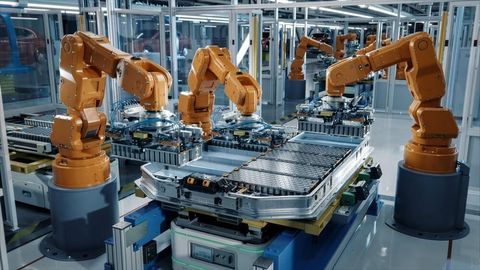
Modern industrial operations generate higher thermal loads due to automation, robotics, and digital infrastructure. Without advanced cooling technology, overheating can result in equipment damage, process inefficiency, and production downtime.
Energy efficiency is also a major factor. Industrial cooling systems account for a large share of electricity consumption in heavy industries. Energy-efficient chillers, variable-speed drives, and smart cooling management systems help reduce operational energy intensity and carbon emissions.
The following table summarizes common industrial cooling systems and their applications:
| Cooling System Type | Primary Application | Key Advantage |
|---|
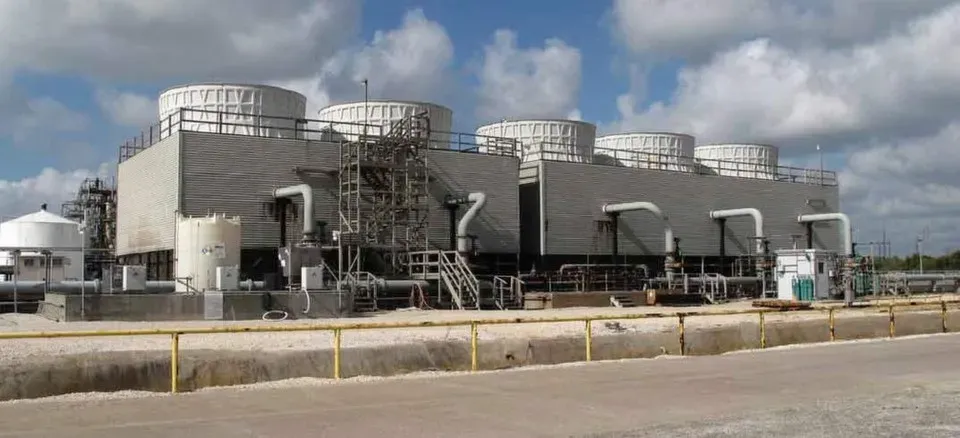
| Cooling Towers | Power plants, refineries | Effective large-scale heat rejection |
| Water-Cooled Chillers | Manufacturing, HVAC systems | High cooling efficiency |
| Air-Cooled Chillers | Medium-scale industrial facilities | Lower water dependency |
| Evaporative Cooling Systems | Warehouses, production halls | Energy-efficient airflow cooling |
| Closed-Loop Cooling Systems | Chemical and precision industries | Contamination control |
Industrial temperature control also supports workplace safety. Excess heat in enclosed environments increases health risks and lowers workforce productivity. Reliable cooling systems create safer and more stable environments.
Recent Developments in Industrial Cooling
Over the past year, industrial cooling technology has continued to evolve in response to energy efficiency targets and environmental standards. Manufacturers have emphasized low Global Warming Potential refrigerants and improved thermal performance designs.
Smart industrial cooling systems with IoT-enabled monitoring are increasingly adopted. These systems track temperature, humidity, water quality, and system efficiency in real time. Predictive maintenance software helps reduce unplanned downtime.
Energy efficiency regulations have driven upgrades in centrifugal chillers, screw chillers, and hybrid cooling systems. Many facilities are transitioning to systems with advanced heat exchangers and digital automation controls to optimize cooling load distribution.
Sustainability trends have also influenced industrial HVAC design. There is growing interest in:
-
Water conservation technologies in cooling towers
-
Hybrid cooling combining air and water systems
-
Heat recovery systems that reuse waste heat
-
Renewable energy integration for industrial cooling infrastructure
Data center cooling innovations have gained particular attention due to increased digital infrastructure demand. Liquid cooling and immersion cooling technologies are being implemented to manage high-density server environments.
Laws and Regulatory Framework
Industrial cooling solutions are influenced by environmental, energy, and safety regulations. In India, industrial cooling equipment and refrigerants are subject to environmental protection guidelines and energy performance standards.
The Ministry of Environment, Forest and Climate Change regulates environmental compliance related to emissions and refrigerant management. Industrial facilities must adhere to guidelines on refrigerant use and ozone-depleting substances.
The Bureau of Energy Efficiency promotes energy efficiency standards for equipment, including industrial chillers and HVAC systems. Energy labeling and performance benchmarks encourage adoption of efficient cooling technology.
Environmental regulations related to cooling water discharge and water usage may also apply under regional pollution control boards. Cooling towers must meet water treatment and discharge quality standards to prevent environmental contamination.
Global agreements affecting refrigerant selection and cooling system design include frameworks guided by the United Nations Environment Programme, which supports phasing down high-impact refrigerants.
Compliance with these regulations ensures:
-
Reduced environmental impact
-
Improved energy performance
-
Safe handling of refrigerants
-
Proper wastewater management
Industries must conduct periodic audits and maintain documentation to meet regulatory requirements.
Tools and Resources for Industrial Cooling Optimization
Industrial cooling performance can be improved using digital tools and analytical methods. Several practical resources are commonly used by engineers and facility managers.
Energy Efficiency Calculators
-
Cooling load calculators
-
Chiller efficiency performance tools
-
Thermal energy balance spreadsheets
Monitoring and Automation Systems
-
SCADA-based cooling management platforms
-
IoT temperature monitoring sensors
-
Digital twin simulations for HVAC systems
Technical Standards and Guidelines
-
ASHRAE industrial cooling guidelines
-
Energy efficiency compliance manuals
-
Industrial process cooling design templates
Below is a simplified example of how cooling load estimation varies by facility size:
| Facility Type | Approximate Cooling Load (kW) | Cooling System Preference |
|---|
| Small Manufacturing | 50–250 | Air-cooled chiller |
| Medium Processing | 250–1000 | Water-cooled chiller |
| Large Industrial | 1000+ | Cooling tower + central plant |
Data analytics software also helps measure:
-
Coefficient of Performance (COP)
-
Energy Efficiency Ratio (EER)
-
Water consumption rate
-
System downtime frequency
Engineers often rely on performance benchmarking tools to compare system efficiency against industry standards.
Frequently Asked Questions
What is the main purpose of industrial cooling systems?
Industrial cooling systems remove excess heat generated by machinery and processes. They maintain stable temperatures to protect equipment and ensure efficient operation.
How does a cooling tower work in industrial settings?
A cooling tower dissipates heat by transferring thermal energy from hot water to the atmosphere through evaporation. It is widely used in power plants and large manufacturing facilities.
What is the difference between air-cooled and water-cooled chillers?
Air-cooled chillers use ambient air to remove heat, while water-cooled chillers use water circulated through cooling towers. Water-cooled systems are generally more energy-efficient for large-scale operations.
Why are energy-efficient cooling systems important?
Energy-efficient industrial cooling reduces electricity consumption, lowers environmental impact, and improves long-term operational stability.
How can industries reduce water consumption in cooling systems?
Water-saving methods include closed-loop systems, water treatment optimization, blowdown control management, and hybrid cooling designs.
Conclusion
Industrial cooling solutions play a vital role in maintaining operational stability across manufacturing, energy, and digital infrastructure sectors. By controlling thermal loads, these systems enhance equipment lifespan, improve energy efficiency, and support workplace safety.
Advances in smart monitoring, environmentally responsible refrigerants, and energy optimization technologies are shaping the future of industrial HVAC and process cooling systems. Regulatory frameworks encourage industries to adopt sustainable cooling practices while maintaining performance standards.
Understanding system types, compliance requirements, and efficiency tools allows organizations to make informed decisions about temperature control strategies. As industrial activity expands and environmental expectations increase, efficient and responsible industrial cooling remains a foundational element of modern infrastructure.