Importance: Why Industrial Water Systems Matter Today
Industrial water systems are critical for environmental sustainability, operational efficiency, and regulatory compliance.
Industries consume significant volumes of water daily. Without structured industrial wastewater management, contaminated discharge can affect rivers, groundwater, and ecosystems. Proper treatment reduces pollutants such as heavy metals, chemicals, oils, and organic waste.
Key reasons this topic matters:
-
Operational reliability
High-quality treated water prevents scaling and corrosion in boilers and cooling towers. This reduces downtime and extends equipment life.
-
Environmental protection
Wastewater treatment plants remove harmful contaminants before discharge, supporting cleaner waterways and safer communities.
-
Regulatory compliance
Governments require industries to meet discharge standards. Water quality monitoring systems help facilities remain compliant and avoid penalties.
-
Energy efficiency
Modern water purification technology improves heat transfer efficiency in cooling systems, reducing energy consumption.
-
Water scarcity management
In regions facing water stress, water recycling systems and zero liquid discharge systems allow industries to reuse water multiple times.
Industries most affected include:
-
Power generation
-
Oil and gas
-
Chemical processing
-
Food and beverage production
-
Pharmaceutical manufacturing
-
Textile and metal finishing plants
The problems industrial water systems solve include:
-
Contaminated wastewater discharge
-
Equipment corrosion and scaling
-
High operational inefficiencies
-
Water supply instability
-
Environmental compliance challenges
Recent Updates: Trends and Developments in Industrial Water Systems
Recent developments in industrial water systems focus on digitalization, sustainability, and advanced filtration.
Digital water monitoring
Industries increasingly deploy IoT-based water quality monitoring systems. Sensors track pH, turbidity, conductivity, and dissolved oxygen in real time. Data analytics improves predictive maintenance and system performance.
Membrane technology advancements
Reverse osmosis systems and ultrafiltration membranes have improved in efficiency and durability. New membrane materials reduce fouling and increase recovery rates.
Zero liquid discharge adoption
More facilities are implementing zero liquid discharge strategies. These systems recover almost all wastewater for reuse, minimizing discharge volumes.
Stricter discharge standards
Environmental agencies have introduced tighter effluent quality guidelines. Industries are upgrading effluent treatment plant systems to meet revised thresholds.
Energy-efficient solutions
Modern cooling tower water treatment chemicals and automated dosing systems optimize water chemistry and reduce energy waste.
Emerging contaminants
Attention has increased around microplastics, pharmaceutical residues, and complex industrial compounds. Treatment technologies are evolving to address these pollutants.
Below is a simplified comparison of traditional vs modern industrial water treatment approaches:
| Feature | Traditional Systems | Modern Systems |
|---|
| Monitoring | Manual sampling | Real-time sensors |
| Filtration | Sand filters | Advanced membranes |
| Water reuse | Limited | High recovery rates |
| Data management | Paper records | Digital dashboards |
| Energy use | Higher | Optimized efficiency |
Laws and Policies: Regulatory Framework in India
In India, industrial water systems operate under environmental regulations designed to protect water resources.
The Central Pollution Control Board under the Central Pollution Control Board sets discharge standards for industries. State Pollution Control Boards implement and monitor compliance.
Key legal frameworks include:
-
Water (Prevention and Control of Pollution) Act
This law regulates discharge of industrial effluents into water bodies. Industries must obtain consent to establish and operate.
-
Environment (Protection) Act
Provides broader authority to enforce pollution standards and environmental safeguards.
-
National Green Tribunal
The National Green Tribunal addresses environmental disputes and ensures accountability.
Industrial facilities must:
-
Install approved wastewater treatment plant systems
-
Monitor effluent quality
-
Maintain records of discharge parameters
-
Submit compliance reports
Some states encourage water recycling and rainwater harvesting in industrial estates. Industries in water-stressed zones may be required to adopt water recycling systems or reduce freshwater withdrawal.
Regulatory compliance influences system design, treatment capacity, and monitoring frequency.
Tools and Resources: Helpful Platforms and Technologies
Various tools support effective industrial water management.
Water quality monitoring software
Digital dashboards help track pH, turbidity, conductivity, and chemical dosing levels.
IoT-based sensors
Provide continuous measurement of water parameters in cooling towers and boilers.
Water footprint calculators
These tools estimate total water usage in manufacturing processes.
SCADA systems
Supervisory control systems automate pumps, valves, and chemical dosing in wastewater treatment plants.
Energy management tools
Analyze energy consumption linked to water systems and identify efficiency improvements.
Industry standards and guidance
The International Organization for Standardization publishes ISO standards related to environmental management and water quality testing.
Educational resources
Technical institutes and environmental engineering programs provide guidelines on water purification technology and effluent treatment design.
Process Flow
-
Raw Water → Screening → Sedimentation → Filtration → Reverse Osmosis → Storage → Distribution
-
Wastewater → Collection → Primary Treatment → Biological Treatment → Secondary Clarification → Discharge or Reuse
Visual Overview of Key Industrial Water Systems
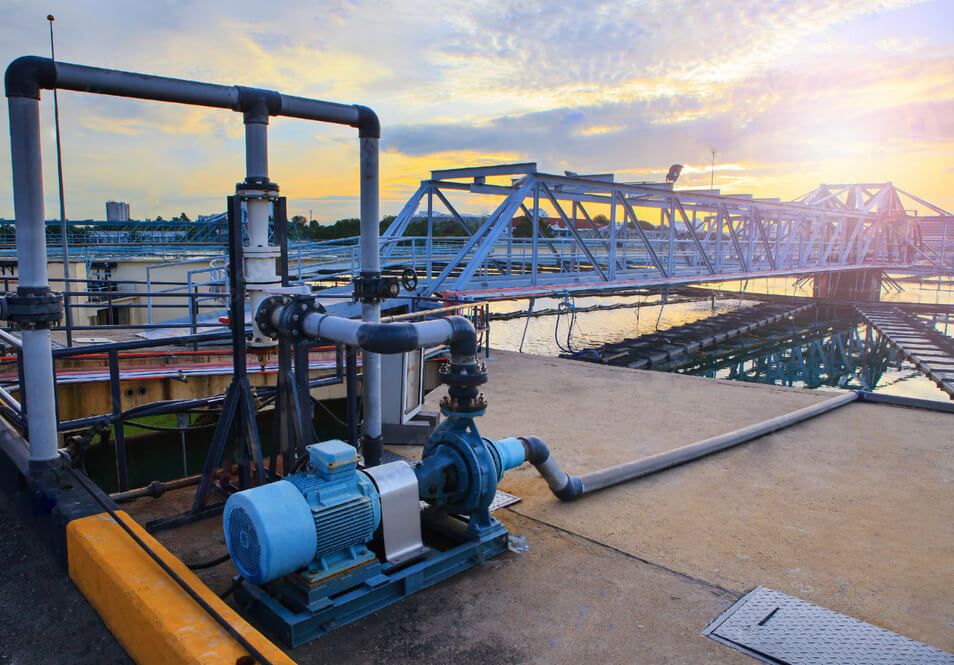
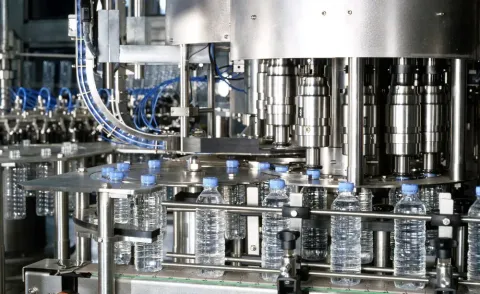
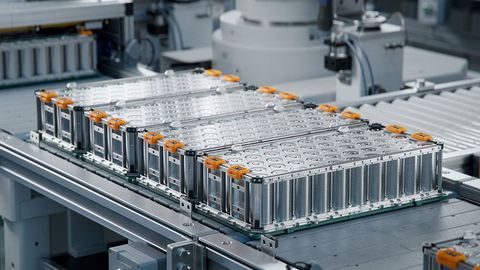
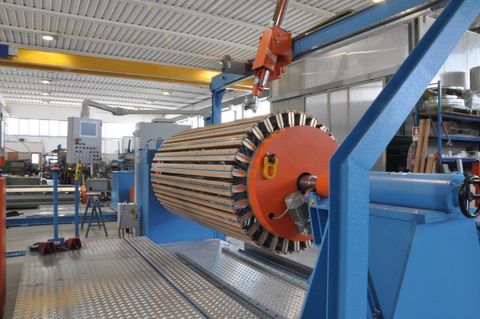
These images represent common components of industrial water systems, including wastewater treatment infrastructure, membrane filtration units, cooling towers, and filtration equipment.
Frequently Asked Questions
What is the difference between industrial water treatment and municipal water treatment?
Industrial water treatment focuses on process-specific water quality requirements inside factories and plants. Municipal water treatment supplies potable water for public use and manages domestic wastewater.
What is an effluent treatment plant?
An effluent treatment plant is a facility designed to treat industrial wastewater before discharge or reuse. It removes pollutants such as suspended solids, oils, chemicals, and heavy metals.
Why is reverse osmosis widely used in industries?
Reverse osmosis systems remove dissolved salts and impurities. This produces high-purity water suitable for boilers, pharmaceuticals, electronics manufacturing, and food processing.
How do industries reduce water consumption?
Industries implement water recycling systems, optimize cooling tower cycles, detect leaks, and reuse treated wastewater in non-critical processes.
What happens if industries do not comply with discharge standards?
Regulatory authorities may impose penalties, restrict operations, or require corrective actions. Compliance ensures environmental protection and operational continuity.
Conclusion
Industrial water systems are essential frameworks that manage water intake, treatment, recycling, and discharge in industrial environments. They protect equipment, ensure product quality, reduce environmental impact, and support regulatory compliance.
As environmental standards evolve and water scarcity increases, industries are adopting advanced water purification technology, digital monitoring tools, and zero liquid discharge systems. Strong governance from bodies such as the Central Pollution Control Board and environmental courts ensures responsible water management.
Understanding industrial water systems helps businesses, engineers, policymakers, and communities recognize the balance between industrial growth and environmental protection. With improved wastewater treatment plant technologies, real-time monitoring, and sustainable water recycling systems, industries can operate efficiently while safeguarding natural water resources.