Explore Lake-Side Holiday Experiences: A Complete Guide with Facts, Help, and Discoveries
Lake-side holiday experiences refer to travel stays and recreational activities that take place around natural or man-made lakes. These destinations combine water-based recreation, scenic landscapes, and outdoor leisure in one environment. Lakes have historically supported communities by providing water resources, transport routes, and biodiversity habitats. Over time, they also became recognized as attractive settings for relaxation and travel planning.
Why Lake-Side Holidays Matter Today
Unlike coastal tourism, lake tourism often offers calmer waters, accessible inland locations, and a stronger connection to local culture and ecosystems. From mountain lakes to reservoir parks, these destinations exist to provide safe recreational spaces while protecting water resources and wildlife habitats.
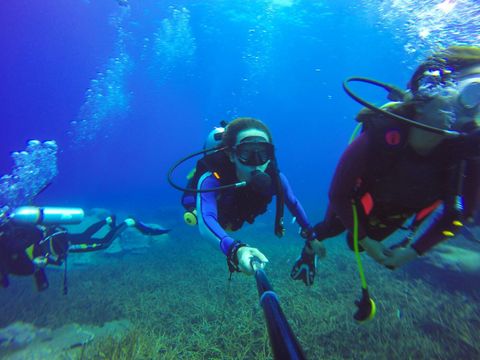
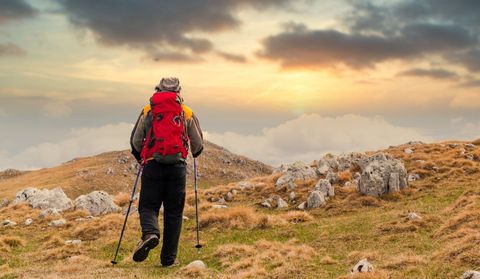
Lake environments support activities such as kayaking, freshwater fishing, hiking trails, eco tourism excursions, and sustainable travel experiences. They also contribute to regional tourism development and nature-based recreation industries.
Examples of well-known lake destinations:
Lake Como: Known for alpine scenery, historic villages, and calm waters suitable for boating and sightseeing. It reflects how lake tourism can combine cultural heritage and outdoor recreation.
Lake Tahoe: Demonstrates year-round tourism, including water sports in warmer months and snow-based activities during winter seasons.
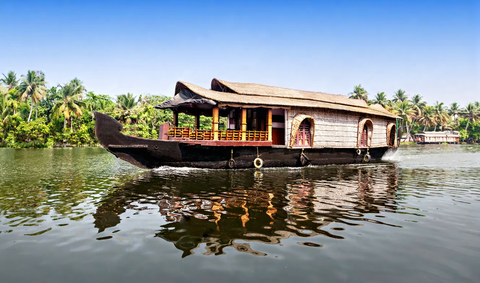
Dal Lake: Highlights cultural tourism combined with freshwater ecosystems, featuring houseboats, traditional boats, and scenic mountain surroundings.
Lake tourism plays a role in sustainable tourism, environmental awareness, and regional economic activity. As urban lifestyles become more digital and indoor-focused, outdoor recreation has gained renewed interest.
Key reasons this topic matters today include:
• Increased focus on eco tourism and climate-conscious travel • Demand for nature-based recreation and mental wellness • Growth in domestic tourism and regional travel planning • Support for local communities around protected water bodies
Lakes often provide controlled environments for water sports safety compared to open oceans. Families, solo travelers, and older visitors may find lakes easier to navigate due to calmer conditions. Lake destinations also help distribute tourism traffic away from crowded coastal areas, reducing environmental pressure.
Typical lake-side activities and their broader benefits
Properly managed lake tourism contributes to biodiversity conservation, water quality awareness, and environmental education.
Recent Trends and Developments in Lake Tourism
Over the past year, several developments have influenced lake-side holiday experiences. Environmental monitoring technology has expanded across protected lakes. Authorities in multiple countries have introduced improved water quality sensors and visitor management systems to track ecological impact. These systems help maintain safe recreational standards.
Sustainable travel certification programs have expanded for eco tourism operators working near lakes. Many regional tourism boards introduced stricter guidelines related to waste management and shoreline protection.
There has also been growth in digital travel planning tools, including mobile apps that provide real-time updates on weather conditions, trail safety, and water advisories. Another visible trend is the increase in low-impact water sports such as paddleboarding and non-motorized boating. These activities align with environmental policies focused on reducing noise pollution and fuel emissions.
Lake restoration projects have gained attention as governments allocate funding toward wetland conservation and freshwater biodiversity protection. In some regions, shoreline zoning policies were updated to balance tourism infrastructure with ecosystem preservation.
Laws and Policies Affecting Lake-Side Holidays
Lake tourism is shaped by environmental laws, water resource regulations, and land-use policies. These rules vary by country but generally focus on conservation and safety.
Common regulatory areas include:
• Water quality standards under environmental protection acts • Wildlife protection laws near freshwater ecosystems • Boating regulations and safety certifications • Zoning laws for lakeside construction • Fishing permits and catch limits
In India, freshwater bodies like Dal Lake are subject to environmental protection guidelines under national conservation programs. Authorities regulate houseboat registration and waste disposal practices to preserve water quality.
In the United States, lakes such as Lake Tahoe are governed by cross-state environmental agreements focused on maintaining clarity and biodiversity. Visitor caps and shoreline restrictions help prevent ecological damage. In European regions around Lake Como, building permits near lakefront areas must follow heritage preservation and landscape protection laws.
Tools and Resources for Lake-Side Travel Planning
Modern travel planning includes digital resources that improve safety and environmental awareness. Several tools support organized lake tourism.
Helpful resource categories:
• Weather and Safety Apps: Real-time weather forecasting platforms and local emergency alert systems. • Outdoor Navigation Tools: Trail mapping applications with GPS tracking and offline hiking maps. • Environmental Information Resources: National park information portals and wildlife identification guides. • Travel Documentation Templates: Activity checklists for water sports and permit application forms. • Water Quality Monitoring Portals: Government environmental dashboards and public lake clarity reports.
These tools contribute to informed decision-making and responsible eco tourism practices.
Frequently Asked Questions
What activities are common during lake-side holidays?
Lake-side holidays often include kayaking, canoeing, hiking, bird watching, photography, freshwater fishing, and nature-based recreation.
Are lake environments safer than ocean beaches?
Lakes typically have calmer waters and fewer strong currents. However, safety depends on local conditions, weather patterns, and adherence to boating regulations.
How do environmental policies affect visitors?
Environmental policies may limit boat types, restrict fishing seasons, regulate shoreline construction, or introduce visitor caps to protect water quality.
What is eco tourism in lake regions?
Eco tourism involves responsible travel to natural areas that conserves the environment. In lake regions, this includes low-impact recreation and educational activities.
How can travelers reduce environmental impact?
Visitors can follow designated trails, avoid littering, respect wildlife, use non-motorized watercraft when possible, and comply with local regulations.
Conclusion
Lake-side holiday experiences combine environmental conservation, outdoor recreation, and cultural heritage. These destinations exist not only for relaxation but also for environmental awareness and sustainable tourism development.
As eco tourism trends expand and digital travel planning tools become more accessible, lake tourism continues to evolve. Government regulations and conservation policies play a central role in maintaining water quality and biodiversity. By understanding environmental guidelines, using appropriate tools, and respecting freshwater ecosystems, travelers can participate in responsible lake tourism.
Lake environments represent a balance between recreation and conservation, offering educational and restorative experiences rooted in natural landscapes. Lake-side holidays remain an important segment of global tourism, shaped by sustainability goals, technological improvements, and growing appreciation for freshwater ecosystems.