Explore LED Floor Lighting: Tips, Advice, and Design Insights for Every Room
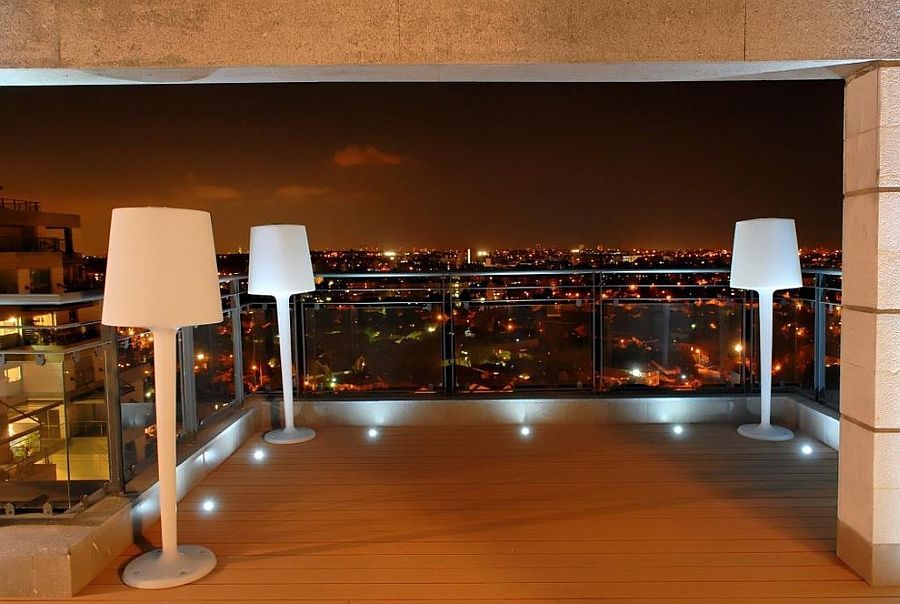
LED floor lighting refers to free-standing light fixtures that use LED (Light Emitting Diode) technology to provide illumination from the ground level. These fixtures are commonly used in homes, offices, hotels, galleries, and event spaces for both functional lighting and aesthetic enhancement.
The use of LED in floor lamps has gained popularity over the past decade due to its energy efficiency, longer lifespan, and versatility in design. LED floor lights come in a variety of styles arc lamps, uplighters, reading lamps, and ambient glow stands that suit different lighting needs and décor preferences. They offer a modern alternative to traditional incandescent or CFL lamps and contribute significantly to smart and sustainable lighting solutions.
Why LED Floor Lighting Matters Today
The relevance of LED floor lighting has grown due to increasing demand for energy-efficient and sustainable home solutions. Here's why it matters:
-
Energy Savings: LEDs consume up to 80% less energy than traditional bulbs.
-
Design Flexibility: Minimalist, smart, or industrial, LED floor lamps fit all aesthetics.
-
Long-Term Value: With lifespans of 15,000–50,000 hours, they require fewer replacements.
-
Personal Comfort: Adjustable brightness and color temperatures help improve focus, reduce eye strain, and support relaxation.
-
Environmental Benefits: LEDs contain no mercury and emit less heat, contributing to lower carbon emissions.
LED floor lighting benefits various users:
-
Homeowners enhancing room ambiance or task lighting.
-
Interior designers looking for modular light accents.
-
Tenants needing movable, plug-and-play lighting.
-
Businesses aiming for stylish yet efficient lighting in common areas.
Moreover, LED floor lighting offers a practical solution for poorly lit corners, reading zones, and rooms without overhead lights.
Recent Trends and Innovations in LED Floor Lighting (2024–2025)
The last year has seen notable innovations in both the design and function of LED floor lighting. Trends include:
| Trend | Description |
|---|---|
| Smart Integration | LED floor lamps now sync with smart home systems like Alexa, Google Home. |
| Tunable White & RGB | Color and temperature adjustable LEDs for personalized ambiance. |
| Minimalist Designs | Slim, discreet floor lamps with matte finishes are gaining popularity. |
| Rechargeable Options | Wireless, battery-powered lamps offer greater flexibility. |
| Touch & Gesture Control | Some models use motion sensors or touch bases for interaction. |
Regulations and Standards Related to LED Floor Lighting
Globally and locally, LED lighting is guided by safety, energy efficiency, and environmental standards. Key points include:
-
BIS and BEE Standards (India): LED lamps must comply with Bureau of Indian Standards (IS 16102) and often carry star ratings from the Bureau of Energy Efficiency.
-
RoHS Compliance: Most LEDs are required to be free from hazardous materials like lead and mercury.
-
Energy Star Certification (U.S./Global): Indicates energy-efficient lighting with verified performance.
-
Ecodesign and CE Certification (Europe): Mandatory for products sold in the EU, ensuring safety, recyclability, and efficiency.
Always check for safety marks (like ISI or UL) and country-specific voltage compatibility when buying LED floor lamps.
Useful Tools and Resources
To make informed choices and use LED floor lighting effectively, here are some helpful tools and platforms:
-
Lumens Calculator: Helps determine the brightness needed for a room (available on lighting websites).
-
Room Layout Planners: Online tools (like Roomstyler or Planner 5D) allow you to visualize lamp placement.
-
Lighting Design Apps: Apps like Light AR or Lutron simulate lighting in real time.
-
Energy Cost Calculators: Provided by utilities or on sites like EnergyStar.gov to estimate savings.
-
Smart Light Controllers: Devices like Philips Hue Bridge or TP-Link Kasa allow remote light management.
-
Home Design Platforms: Websites such as Houzz or Pinterest offer ideas and user reviews for lamp styles and usage.
Frequently Asked Questions (FAQs)
1. Where should I place an LED floor lamp in a room?
Place it next to a reading chair, behind a sofa, or in an underlit corner. Positioning near walls helps create ambient light bounce, while adjustable heads are great for focused tasks.
2. Do LED floor lamps get hot like traditional bulbs?
No. LED lamps emit very little heat, making them safer to touch and reducing the risk of overheating. This is especially helpful in homes with children or pets.
3. Can I use LED floor lamps as the primary light source in a room?
Yes, especially if the lamp provides high lumens or has multiple heads. However, combining them with ceiling or wall lighting ensures balanced illumination.
4. What wattage should I look for in LED floor lamps?
Look for 10W–20W LED lamps for general use, which roughly equals 60W–150W in incandescent output. Focus on lumens rather than wattage—800–1600 lumens is suitable for most living areas.
5. Are there battery-powered or cordless LED floor lamps?
Yes, several models now offer built-in rechargeable batteries. These are ideal for flexible placement but usually have lower brightness or shorter runtime than plug-in models.
Design Insights and Practical Tips
Here are a few tips to maximize the effectiveness of LED floor lighting in various rooms:
Living Room
-
Use an arched floor lamp behind a sofa for modern flair.
-
Choose warm white (2700K–3000K) for cozy, inviting ambiance.
Bedroom
-
Opt for dimmable lamps with remote control or timers.
-
Choose soft diffused lighting to avoid harsh shadows.
Home Office
-
Go for cool white light (4000K–5000K) to boost concentration.
-
Look for adjustable arms to focus on reading or screens.
Hallways & Corners
-
Use uplighters or slender floor lamps to brighten dark spaces without cluttering.
-
Consider smart lamps that turn on via motion sensors for added convenience.
Conclusion
LED floor lighting offers a balance of style, efficiency, and function for every room. Whether you're enhancing your reading nook or setting up a smart home environment, these lamps provide flexible and long-lasting lighting solutions.
By staying updated on trends, understanding basic lighting needs, and making use of available tools and certifications, you can select the right LED floor lamp that fits your space and lifestyle without compromising on aesthetics or energy savings.
Always prioritize quality, safety standards, and practical functionality to get the best out of your LED floor lighting setup.