Explore Multi-Strand Necklaces: Guide, Basics, and Styling Insights
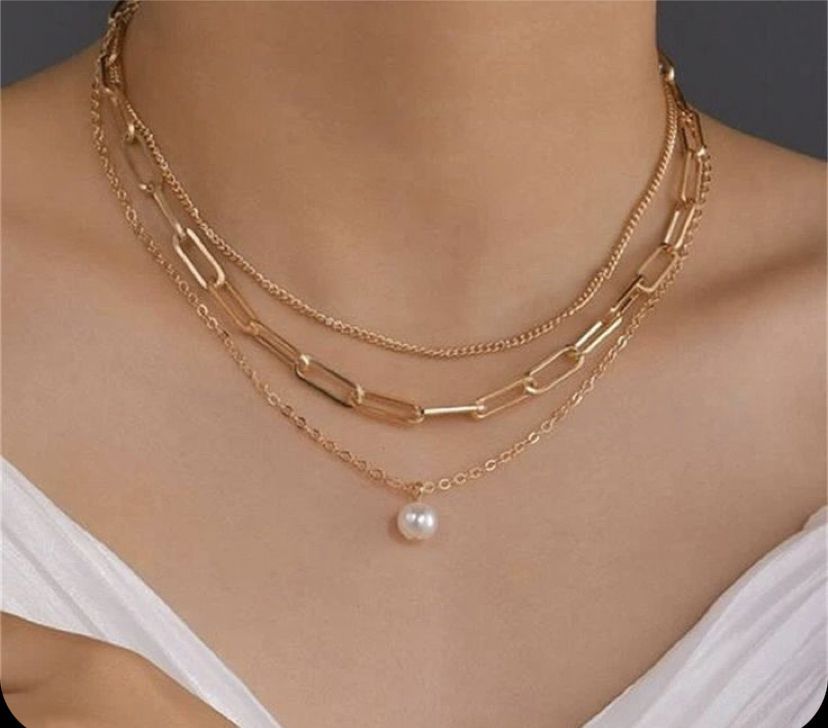
Multi-strand necklaces are jewelry pieces made with two or more connected strands that rest around the neck in layered form. These strands may be made of pearls, beads, chains, gemstones, or mixed materials. Unlike single-chain necklaces, multi-strand designs create depth, texture, and dimension through overlapping layers.
 The concept of layered adornment has existed for centuries across cultures. Historical jewelry traditions in regions such as India, Egypt, and Italy incorporated multiple strands of beads, gold chains, or precious stones to signal status, artistry, or ceremonial significance.
Today, multi-strand necklaces appear in fine jewelry collections, fashion accessories, and handcrafted artisan designs. They may feature symmetrical layering or irregular, cascading arrangements. Some styles maintain a classic structure, while others experiment with asymmetry, mixed metals, or gemstone accents.
Common design components include:
-
Layered pearl strands for a traditional aesthetic
-
Mixed chain thicknesses for a contemporary look
-
Beaded strands with gemstone variations
-
Statement centerpieces connecting multiple layers
-
Adjustable clasps to accommodate neckline variations
These necklaces exist to provide visual complexity in a single accessory. Instead of stacking separate pieces, one structured design achieves a layered effect with balanced spacing and coordinated materials.
Why Multi-Strand Necklaces Matter Today
In modern fashion and personal styling, versatility and expressive design are valued. Multi-strand necklaces respond to this need by offering a layered appearance without requiring multiple separate accessories.
They matter today for several reasons:
-
They complement various necklines, from high collars to open V-shapes
-
They adapt to both formal and casual attire
-
They create visual focus in minimalist outfits
-
They reduce the need for additional layering
In the context of fashion jewelry trends, layered aesthetics remain prominent in style analysis and digital fashion content. Multi-strand designs simplify that look in a structured format.
The table below compares single-strand and multi-strand necklaces in terms of styling characteristics:
| Feature | Single-Strand Necklace | Multi-Strand Necklace |
|---|---|---|
| Visual Depth | Minimal | High |
| Layering Effect | Requires stacking | Built-in layers |
| Styling Complexity | Simple | Moderately structured |
| Statement Presence | Subtle | Noticeable |
| Weight Distribution | Even | Requires balanced clasp |
From a jewelry design perspective, multi-strand necklaces require careful engineering. The spacing between strands must prevent tangling, while clasp design must support the added weight. Designers often use reinforced closures or multi-loop connectors to maintain structure.
For individuals exploring jewelry investment knowledge, gemstone layering, or pearl necklace variations, understanding strand balance and material durability is essential. Materials such as gold chains, freshwater pearls, or semi-precious stones affect flexibility and longevity.
Recent Updates in Multi-Strand Jewelry Trends
Recent developments in jewelry design reflect increased interest in sustainability, personalization, and mixed-material innovation. Designers are incorporating recycled metals and ethically sourced gemstones in layered necklace collections.
Digital fashion platforms and luxury brands such as Tiffany & Co. and Cartier have showcased layered pearl reinterpretations and modern chain compositions in recent collections. These interpretations blend heritage-inspired forms with contemporary minimalism.
Emerging trends include:
-
Mixed-metal strands combining gold and silver tones
-
Adjustable multi-length connectors
-
Gemstone gradient layering
-
Lightweight engineered chain structures
-
Customizable charm attachments
A simplified representation of evolving material preferences is shown below:
Material Usage Trend (Illustrative Overview)
Pearls ████████
Gold Chain ██████████
Mixed Metal ███████
Gemstones █████████
The chart illustrates increasing use of gold chain layering and gemstone accents in modern designs, while pearl-based structures continue to maintain relevance in formal jewelry contexts.
Personalized layering has also gained attention in social media styling discussions, where curated layered jewelry sets are highlighted as wardrobe-enhancing elements.
Laws and Policies Affecting Multi-Strand Necklaces
Jewelry manufacturing and distribution are influenced by regulatory standards, especially in countries with strong consumer protection and hallmarking laws.
In India, gold jewelry must comply with Bureau of Indian Standards hallmarking requirements to verify purity levels. Hallmarking ensures transparency in gold content and protects consumer interests.
In the United States, the Federal Trade Commission provides guidelines on jewelry labeling to prevent misleading descriptions related to gemstones or metal composition.
In the United Kingdom, hallmarking regulations require precious metal items above certain weights to be officially tested and stamped.
Environmental and ethical sourcing regulations also influence gemstone and pearl supply chains. Policies addressing responsible mining and sustainable sourcing affect how designers select materials for multi-strand pieces.
Key regulatory considerations include:
-
Metal purity verification
-
Accurate gemstone labeling
-
Ethical sourcing compliance
-
Import-export documentation for precious materials
-
Nickel release limits in certain markets
These policies help maintain quality standards and protect consumers from inaccurate product representation.
Tools and Resources for Jewelry Research and Styling
Individuals interested in jewelry education, gemstone evaluation, or fashion styling insights can benefit from several informational tools and resources.
Educational and Research Resources
-
Gemological Institute of America (GIA) educational materials on gemstone grading
-
International Gemological Institute (IGI) certification information
-
Jewelry hallmark verification databases in regulated markets
-
Fashion trend forecasting platforms
Design and Visualization Tools
-
Digital sketch applications for jewelry concept planning
-
3D modeling software used in jewelry CAD design
-
Style inspiration boards and wardrobe planning templates
-
Jewelry storage organizers for strand separation
Measurement and Fit Tools
-
Necklace length guides
-
Collarbone-to-chest drop measurement charts
-
Adjustable extender clasps
Understanding necklace length categories helps determine placement:
| Length (Approx.) | Position on Neck |
|---|---|
| 14–16 inches | Choker area |
| 18–20 inches | Collarbone |
| 22–24 inches | Upper chest |
| 30+ inches | Below bust |
Multi-strand necklaces often combine two or more of these length categories in a single design.
Frequently Asked Questions
What materials are commonly used in multi-strand necklaces?
Multi-strand necklaces can be made from pearls, gold chains, silver chains, glass beads, gemstones, or synthetic materials. The choice of material affects durability, weight, and overall appearance.
Are multi-strand necklaces suitable for everyday wear?
Suitability depends on material and construction. Lightweight chain designs are often comfortable for regular use, while heavier gemstone or pearl strands may be better suited for occasional styling.
How can tangling be minimized?
Design features such as spacer bars, structured connectors, and balanced clasps reduce tangling. Proper storage using separated compartments or hanging organizers also helps maintain strand alignment.
Do multi-strand necklaces work with all necklines?
They work best with open or moderate necklines, such as scoop, V-shape, or boat neck styles. Very high necklines may partially conceal layered strands.
Are pearl multi-strand necklaces considered formal jewelry?
Pearl-based multi-strand designs are traditionally associated with formal or ceremonial attire, but modern reinterpretations allow them to complement contemporary fashion as well.
Conclusion
Multi-strand necklaces represent a layered approach to jewelry design that balances structure, visual depth, and styling flexibility. Rooted in historical traditions across various cultures, these necklaces have evolved into versatile accessories suitable for diverse wardrobes.
They remain relevant due to their ability to create dimension in a single coordinated piece. Regulatory standards ensure material authenticity and consumer transparency, while design innovations continue to shape modern interpretations.
Whether crafted from pearls, chains, or gemstones, multi-strand necklaces reflect both artistic heritage and contemporary fashion sensibilities. Understanding their construction, material properties, and styling adaptability helps individuals make informed decisions within the broader context of jewelry education and design awareness.