Explore Oilfield Processes: Detailed Explanation, Expert Advice, and Learning Resources
Oilfield processes refer to the technical and operational steps involved in discovering, extracting, transporting, and refining crude oil and natural gas. These processes exist because hydrocarbons are found deep within the Earth’s crust and require sophisticated methods to locate, produce, and transform them into usable energy and materials.
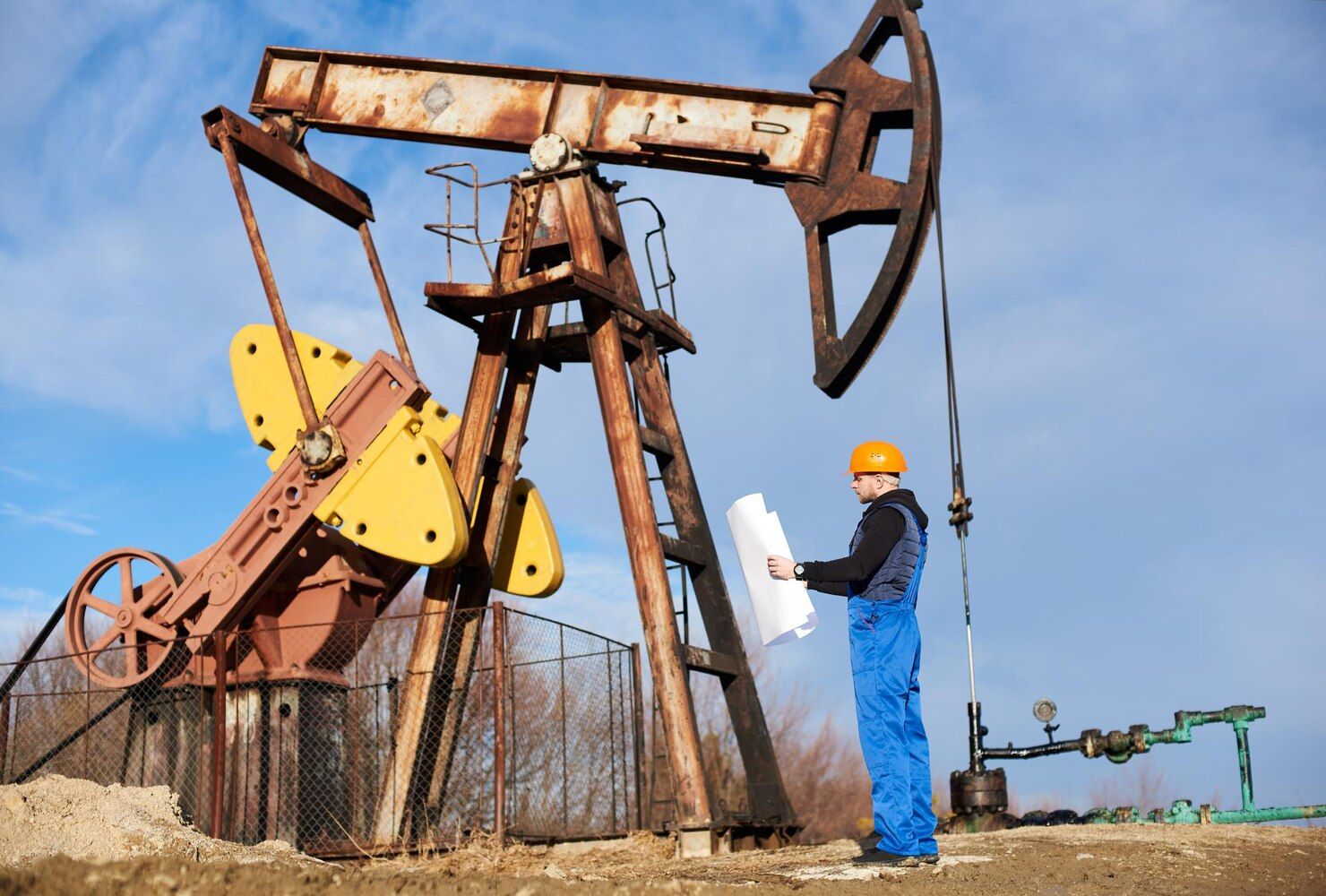
Globally, the oil and gas industry is divided into three main segments:
-
Upstream: Exploration, drilling, and production of crude oil and natural gas.
-
Midstream: Transportation, storage, and processing of hydrocarbons.
-
Downstream: Refining crude oil into fuels and petrochemical products.
Each stage involves specialized technologies and engineering disciplines. From geological surveys and seismic imaging to advanced drilling and refining operations, oilfield processes represent the backbone of the world’s energy supply chain.
Importance – why oilfield processes matter globally
Oilfield processes are central to the global energy system and economy. They influence multiple sectors, from manufacturing to transportation and infrastructure development. Their importance can be viewed across several dimensions:
-
Energy Security: Many nations depend on stable oil and gas supplies to meet energy demands. Efficient processes ensure continuous production and energy reliability.
-
Economic Growth: Oil and gas production contributes significantly to global GDP, national revenues, and industrial employment. Efficient processes lower operational risks and enhance productivity.
-
Environmental Protection: Proper management of drilling, production, and refining reduces pollution, carbon emissions, and environmental degradation.
-
Technological Innovation: Oilfield operations drive advancements in robotics, automation, artificial intelligence, and data analytics, which improve efficiency and safety.
-
Global Energy Transition: As the world moves toward cleaner energy, optimized oilfield processes help balance traditional energy demand with sustainable practices like carbon capture and renewable integration.
The effectiveness of these processes directly affects energy prices, climate goals, and international trade.
Recent updates – trends and developments in 2024–2025
The oil and gas industry continues to evolve rapidly, driven by technology, sustainability goals, and changing global markets. Recent developments include:
| Trend | Description |
|---|---|
| Digital Transformation | The use of artificial intelligence, machine learning, and IoT in drilling and production operations allows real-time data analysis, predictive maintenance, and enhanced safety. |
| Decarbonization Efforts | Many global producers are investing in carbon capture, utilization, and storage (CCUS) technologies to reduce emissions and align with net-zero targets. |
| Automation and Robotics | Robotic drilling systems and automated monitoring reduce human error, increase efficiency, and lower environmental risks. |
| Advanced Exploration | New seismic imaging and 3D modelling techniques are improving discovery accuracy in deepwater and unconventional reserves. |
| Circular Economy Integration | Oilfield operations increasingly recycle water, repurpose waste heat, and recover byproducts to minimize waste. |
| Energy Transition Strategies | Oil and gas companies are diversifying portfolios to include renewable energy, hydrogen, and biofuels alongside traditional hydrocarbons. |
In 2025, many global operators reported record progress in integrating sustainability metrics into oilfield operations. Digital twins, remote monitoring, and smart drilling rigs have become standard practices in several regions.
Laws or policies – how global rules shape oilfield operations
Oilfield processes are regulated worldwide through strict environmental, safety, and operational laws. While frameworks vary by country, several common principles exist across global jurisdictions:
-
Environmental Protection Laws: Many countries enforce emissions standards, water management regulations, and waste disposal rules to reduce the environmental footprint of drilling and refining.
-
Occupational Health and Safety Standards: Global guidelines, such as those from ISO and the International Association of Oil & Gas Producers (IOGP), set safety benchmarks for workers and equipment.
-
International Agreements: Climate agreements like the Paris Accord influence national oil and gas policies by encouraging lower emissions and renewable adoption.
-
Resource Ownership and Licensing: Governments typically control subsurface resources and issue exploration and production licenses to companies, ensuring accountability and royalties.
-
Decommissioning Regulations: Nations require companies to safely plug wells, dismantle infrastructure, and restore land after production ends.
Globally, the trend is toward transparent, sustainable governance - encouraging technological efficiency while maintaining environmental safeguards.
Tools and resources – for learning and practice
Oilfield processes involve a combination of technical, regulatory, and environmental knowledge. The following resources and tools support learning and operational improvement:
Educational Resources
-
Textbooks and handbooks covering drilling engineering, reservoir management, and refining fundamentals.
-
Online learning platforms offering courses in petroleum geology, upstream operations, and energy management.
-
Technical publications and white papers by professional societies such as the Society of Petroleum Engineers (SPE).
Analytical Tools
-
Reservoir Simulation Software: Used to model subsurface formations and optimize production strategies.
-
Data Analytics Platforms: Analyze drilling and production data to improve efficiency and safety.
-
Emission Tracking Systems: Help monitor greenhouse gas outputs across oilfield activities.
-
Operational Dashboards: Offer real-time visualization of performance indicators such as pressure, flow rate, and temperature.
Industry Guidelines
-
International standards such as ISO 14001 for environmental management and ISO 45001 for occupational safety.
-
Global best-practice frameworks for well integrity, equipment maintenance, and incident response.
These tools help companies and learners understand how energy systems work and how to manage resources responsibly.
FAQs – clear and factual answers
What are the main stages in the oilfield process?
The stages include exploration, drilling, extraction, transportation, refining, and distribution. Each stage requires specialized equipment, safety measures, and regulatory compliance.
How has technology changed oilfield operations?
Technologies like AI, automation, advanced sensors, and data analytics have improved decision-making, reduced downtime, and minimized risks in exploration and production.
What environmental issues are related to oilfield processes?
Key concerns include greenhouse gas emissions, oil spills, wastewater management, and land disturbance. Modern practices focus on minimizing these impacts through improved design and monitoring.
How do global policies affect oilfield activities?
Policies determine how resources are licensed, how emissions are controlled, and how operations must comply with safety and environmental standards. Global cooperation is essential to maintain sustainability and fairness.
Is the oil industry compatible with the energy transition?
Yes. While oil and gas remain essential for global energy needs, the industry is adopting cleaner technologies, investing in renewables, and implementing carbon management strategies to align with global climate goals.
Conclusion
Oilfield processes are among the most complex and influential industrial systems in the world. From exploration to refining, they involve precise engineering, regulatory oversight, and global collaboration. Today, these processes are being reshaped by digital innovation, sustainability goals, and policy reform.
Understanding oilfield processes helps explain how global energy systems operate - and how they are adapting to new realities of climate responsibility and technological advancement. As the world transitions to a balanced energy future, the focus is on efficiency, safety, and environmental stewardship, ensuring that oilfield operations continue to provide reliable energy while supporting a sustainable planet.