Explore Smart Energy Storage: An Overview with Facts, Basics, and Key Insights
Smart energy storage refers to technologies and systems that store electricity and release it when needed, using digital controls, sensors, and data analysis to optimize performance. These systems exist because electricity generation and electricity use rarely happen at the same time. Power is often produced when demand is low and needed when production is limited. Smart energy storage helps bridge this gap by holding energy temporarily and delivering it efficiently.
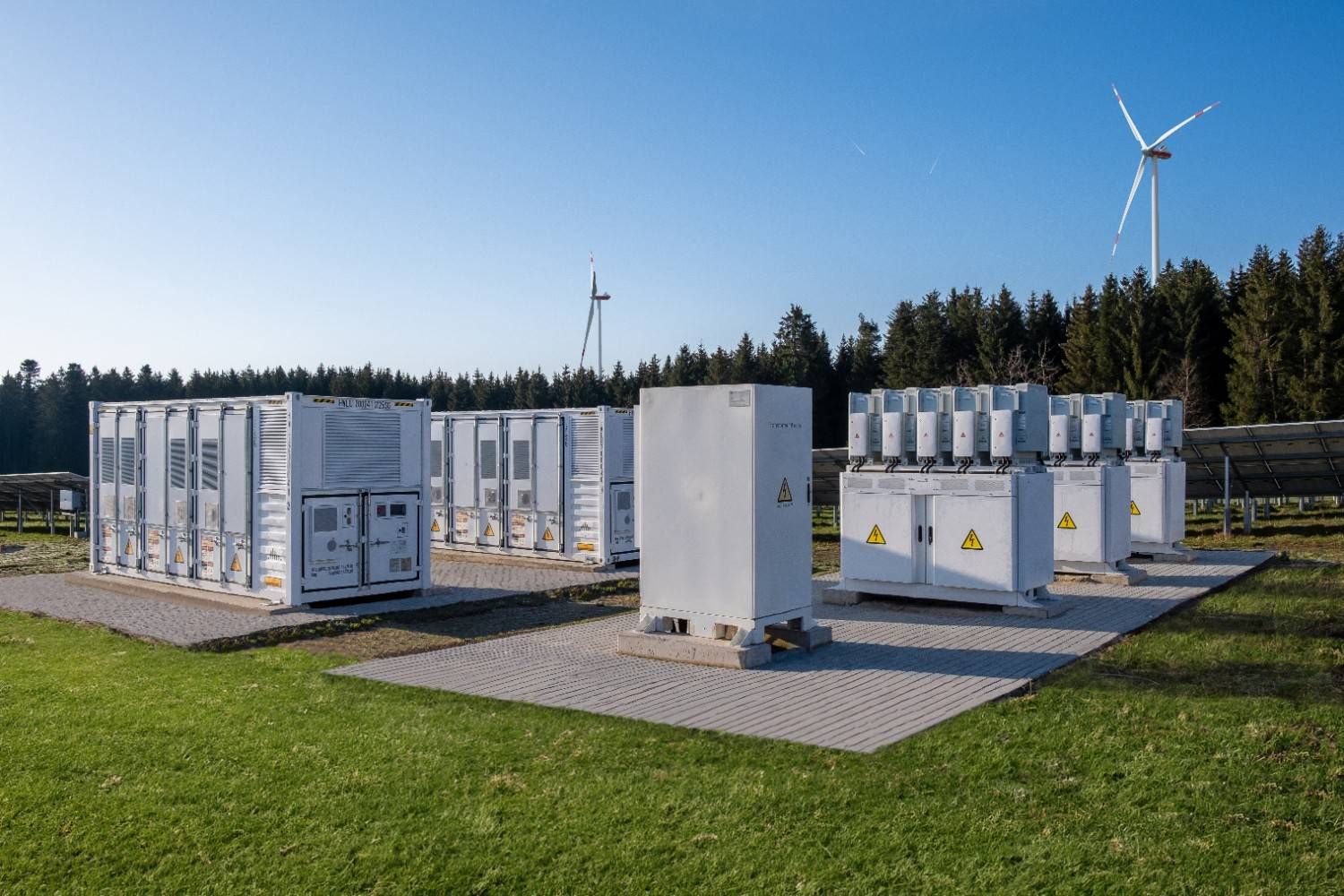
Energy storage has become more relevant as renewable energy sources like solar and wind play a larger role in power generation. Unlike traditional power plants, renewables depend on natural conditions. Smart energy storage adds flexibility, reliability, and intelligence to modern energy systems, making electricity supply more stable and predictable.
Importance of Smart Energy Storage Today
Smart energy storage matters because energy demand is increasing while power systems are becoming more complex. It affects households, businesses, utilities, and national infrastructure.
Key reasons this topic is important include:
-
Grid stability and reliability
Smart energy storage systems help balance supply and demand, reducing outages and voltage fluctuations. -
Renewable energy integration
Stored energy allows excess solar or wind power to be used later, supporting cleaner energy transitions. -
Energy efficiency improvement
Intelligent control systems reduce waste by releasing energy only when needed. -
Support during peak demand
Stored electricity can be deployed during high-demand periods, easing stress on power networks. -
Resilience during disruptions
Energy storage improves backup power availability during extreme weather or infrastructure failures.
From residential battery systems to utility-scale storage plants, these solutions solve challenges related to intermittency, grid congestion, and energy management complexity.
Recent Updates and Ongoing Developments
In recent months, smart energy storage has seen rapid technological and operational progress. Several notable trends have emerged:
-
Advancements in battery technology
Improved lithium-based chemistries and alternative materials have increased energy density and system lifespan. -
Growth of grid-scale battery projects
Large energy storage installations have expanded in multiple regions, with commissioning announcements reported in early spring and mid-year periods. -
Artificial intelligence in energy management
Smart algorithms are increasingly used to predict demand, optimize charging cycles, and extend battery life. -
Hybrid energy systems
Storage is now commonly paired with solar, wind, and microgrid setups to enhance energy independence. -
Standardization and safety updates
New technical standards and safety guidelines have been released by energy authorities to improve system reliability and interoperability.
These updates reflect a broader shift toward intelligent, data-driven energy infrastructure rather than simple storage hardware.
Laws, Policies, and Regulatory Influence
Smart energy storage is strongly influenced by government regulations and policy frameworks. Many countries treat energy storage as a strategic infrastructure component.
Common regulatory aspects include:
-
Grid interconnection rules
Standards define how storage systems connect and interact with national or regional grids. -
Energy transition programs
Public initiatives encourage the adoption of storage alongside renewable energy targets. -
Safety and environmental compliance
Regulations address fire safety, recycling, and environmental impact of battery materials. -
Market participation rules
Policies define whether energy storage can participate in energy markets, capacity mechanisms, or grid services. -
Data and cybersecurity requirements
Smart systems must comply with digital security and data protection frameworks.
These rules aim to ensure that smart energy storage contributes safely and effectively to long-term energy planning.
Tools and Resources Related to Smart Energy Storage
A wide range of tools and resources support understanding and managing smart energy storage systems. These are commonly used by researchers, planners, and energy professionals.
Helpful resources include:
-
Energy storage sizing calculators
Tools that estimate storage capacity based on consumption patterns. -
Battery performance monitoring dashboards
Software platforms that track charge cycles, efficiency, and system health. -
Grid simulation models
Analytical tools used to study the impact of storage on grid stability. -
Energy management system software
Platforms that coordinate storage, generation, and consumption in real time. -
Technical standards documentation
Reference materials outlining safety, design, and operational guidelines.
These resources support informed decision-making and accurate performance evaluation.
Key Types of Smart Energy Storage Systems
Smart energy storage exists in several forms, each suited to specific applications.
| Storage Type | Core Function | Typical Use Case |
|---|---|---|
| Lithium-based batteries | High efficiency and fast response | Residential and grid-scale storage |
| Flow batteries | Long-duration energy delivery | Utility-scale and industrial use |
| Thermal energy storage | Stores heat or cold | Buildings and district energy |
| Mechanical storage | Uses motion or gravity | Grid balancing and backup power |
Each type contributes differently to energy resilience and system optimization.
Performance Factors and Data Overview
Below is a simplified comparison of typical smart energy storage characteristics.
| Parameter | Low Range | High Range |
|---|---|---|
| Response time | Seconds | Milliseconds |
| Storage duration | Short-term | Long-duration |
| Digital control level | Basic monitoring | AI-driven optimization |
| Grid interaction | Limited | Fully integrated |
This overview highlights why smart energy storage is adaptable across many energy scenarios.
Frequently Asked Questions
What makes energy storage “smart”?
Smart energy storage uses sensors, software, and communication technologies to automatically manage charging, discharging, and system health based on real-time data.
Is smart energy storage only for renewable energy?
No. While commonly paired with renewable energy, it also supports conventional grids by improving efficiency and reliability.
How does energy storage help during power outages?
Stored energy can supply electricity when grid power is unavailable, supporting essential loads and system recovery.
Does smart energy storage reduce energy waste?
Yes. By storing excess energy and releasing it later, these systems reduce curtailment and improve overall energy utilization.
Can smart energy storage support future energy demand growth?
Yes. Scalable storage solutions help manage increasing demand without overloading existing infrastructure.
Conclusion
Smart energy storage plays a central role in modern energy systems by balancing supply and demand, supporting renewable integration, and improving grid resilience. It exists to address the fundamental mismatch between energy generation and consumption. Through intelligent controls, advanced battery technology, and supportive policies, energy storage has evolved into a strategic infrastructure element rather than a simple backup solution.
As power networks become more decentralized and data-driven, smart energy storage will continue to shape how electricity is produced, stored, and used. Understanding its basics, importance, and practical applications helps individuals and organizations better navigate the evolving energy landscape.

