Explore Smart Home Automation for Seniors: Basics, Guidance, and Helpful Information
Smart home automation for seniors refers to connected technologies designed to support daily living, safety, comfort, and independence at home. These systems combine devices such as sensors, voice interfaces, lighting controls, and monitoring tools that work together through a central platform. The idea exists to address age-related changes in mobility, vision, hearing, and memory while allowing older adults to remain in familiar environments.
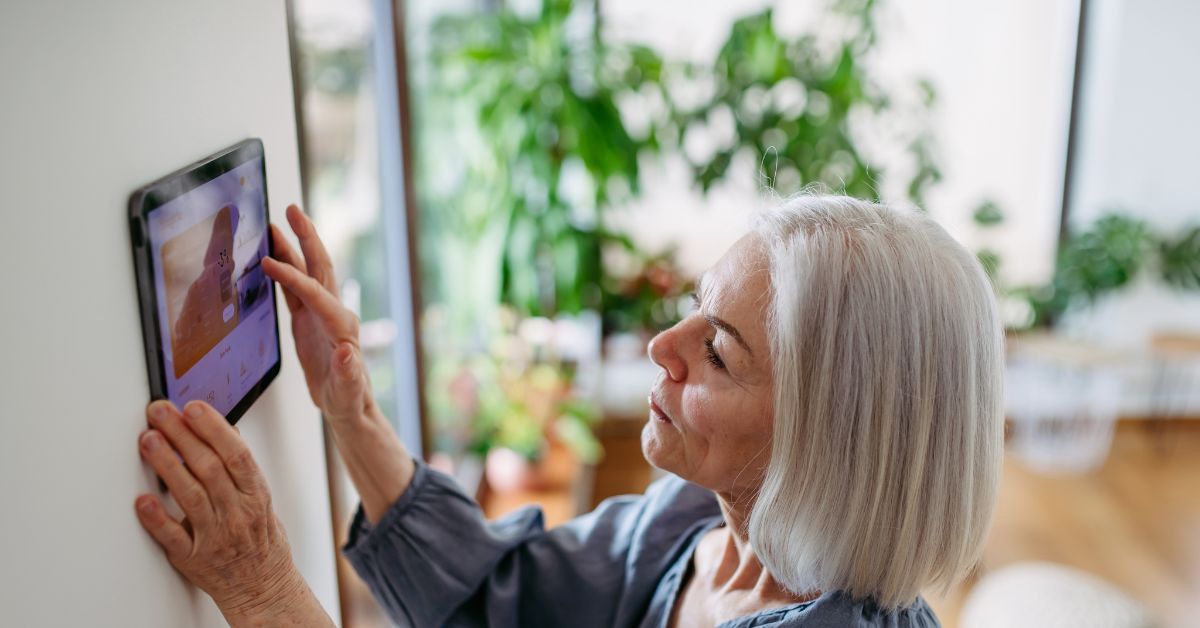
As populations age across many regions, households are adapting living spaces with technology that reduces physical strain and supports routine tasks. Smart home automation emerged from broader home automation and assistive technology fields, blending digital controls with accessibility-focused design. For seniors, the emphasis is not complexity but simplicity, reliability, and ease of use.
This topic also intersects with digital health awareness, aging-in-place strategies, and home safety education. Rather than replacing human care, smart home systems are intended to complement daily routines and provide supportive information when needed.
Why Smart Home Automation Matters Today
Smart home automation matters because it directly addresses common challenges faced by older adults and their families. Many seniors prefer independence but may encounter risks related to falls, missed routines, or environmental hazards. Automated systems can reduce these risks through timely alerts, adaptive controls, and clear feedback.
Key groups affected include:
-
Older adults living independently
-
Family members involved in remote caregiving
-
Care coordinators and community health planners
Problems commonly addressed include:
-
Difficulty reaching switches or controls
-
Forgetting routine actions such as locking doors or adjusting lights
-
Limited visibility or mobility during nighttime movement
-
Delayed response during emergencies
From a broader perspective, smart home automation supports public health goals by reducing avoidable household incidents and supporting independent living. It also aligns with accessibility standards that encourage inclusive design in residential environments.
Recent Developments and Notable Trends
Recent developments show a shift toward more intuitive and senior-friendly smart home environments. Devices increasingly focus on voice-first interaction, larger visual displays, and simplified setup processes. Interoperability has improved, allowing different devices to function within one ecosystem without advanced technical knowledge.
Observed trends include:
-
Increased use of passive monitoring sensors that do not require wearables
-
Expansion of voice-controlled home assistants with clearer speech recognition
-
Growing emphasis on privacy-preserving data handling
-
Integration of wellness-focused features such as routine reminders and environment tracking
Another notable trend is the movement toward universal design principles. Manufacturers and developers now emphasize features that work equally well for all ages, reducing stigma and complexity. Educational awareness around digital literacy for seniors has also expanded through community programs and learning initiatives.
Laws, Policies, and Regulatory Considerations
Smart home automation for seniors is influenced by data protection, consumer safety, and accessibility-related regulations. While policies vary by country, several common principles apply globally.
Key regulatory considerations include:
-
Data privacy rules governing how personal and household data is stored and processed
-
Accessibility standards that encourage inclusive digital interfaces
-
Consumer protection frameworks ensuring transparent device behavior
-
Building and housing guidelines related to electrical and wireless installations
Government programs in some regions support aging-in-place initiatives, which indirectly encourage the adoption of assistive home technologies. These programs often emphasize safety, dignity, and independence rather than specific products.
Understanding local regulations helps households ensure that smart home systems align with legal expectations, especially when data sharing or remote monitoring is involved.
Tools, Platforms, and Educational Resources
A variety of tools and resources support understanding and managing smart home automation for seniors. These resources focus on education, planning, and system management rather than commercial promotion.
Helpful categories include:
-
Home automation dashboards that centralize device controls
-
Voice interaction platforms designed for clear, simple commands
-
Accessibility settings tools for text size, contrast, and audio feedback
-
Home safety assessment templates for identifying automation opportunities
-
Digital literacy guides tailored for older adults
-
Care coordination apps that share non-intrusive status updates
Below is an example table showing common smart home functions and their practical purpose for seniors.
| Smart Home Function | Primary Purpose | Everyday Benefit |
|---|---|---|
| Automated lighting | Visibility support | Reduces fall risk |
| Door and window sensors | Home awareness | Improves security |
| Voice control | Hands-free interaction | Supports mobility |
| Environmental sensors | Air and temperature awareness | Enhances comfort |
| Routine reminders | Daily structure | Supports memory |
These tools are most effective when introduced gradually, with clear explanations and ongoing support.
Frequently Asked Questions About Smart Home Automation for Seniors
What makes smart home automation suitable for seniors?
Suitability comes from simple interfaces, clear feedback, and features that reduce physical effort. Systems designed with accessibility in mind focus on ease of use rather than advanced customization.
Is technical experience required to use these systems?
Most modern systems are designed for users with minimal technical background. Voice commands, preset routines, and guided interfaces reduce the learning curve.
How does smart home automation support safety?
Safety support includes automated lighting, movement detection, and alerts that notify household members of unusual activity. These features help address common home-related risks.
Can smart home systems respect privacy?
Yes. Many platforms include privacy controls that limit data collection and sharing. Understanding settings and permissions is essential for maintaining personal boundaries.
Do these systems replace personal caregiving?
No. Smart home automation is intended to complement human care by supporting daily routines and awareness, not to replace personal interaction or professional assistance.
Understanding Features Through Practical Comparison
The following table compares common automation features based on usability and relevance for seniors.
| Feature Type | Ease of Use | Accessibility Value | Daily Impact |
|---|---|---|---|
| Voice-controlled devices | High | Strong | Consistent |
| App-based controls | Medium | Moderate | Occasional |
| Automated routines | High | Strong | Daily |
| Visual dashboards | Medium | Moderate | Informational |
| Passive sensors | High | Strong | Background support |
This comparison highlights why simplicity and automation are often prioritized over manual control options.
Concluding Insights on Smart Home Automation for Seniors
Smart home automation for seniors represents a thoughtful application of technology to support independence, safety, and daily comfort. Its value lies not in complexity but in clarity, reliability, and respectful design. As awareness grows, these systems are increasingly shaped by accessibility standards, privacy considerations, and real-world user feedback.

