Explore Smart Lighting Controls: An Overview of Basics, Technology, and Everyday Use
Smart lighting controls refer to digital systems that allow lights to be managed automatically or remotely rather than only through traditional wall switches. These systems combine connected lighting hardware with software-based control methods such as mobile applications, voice interfaces, schedules, and sensors.
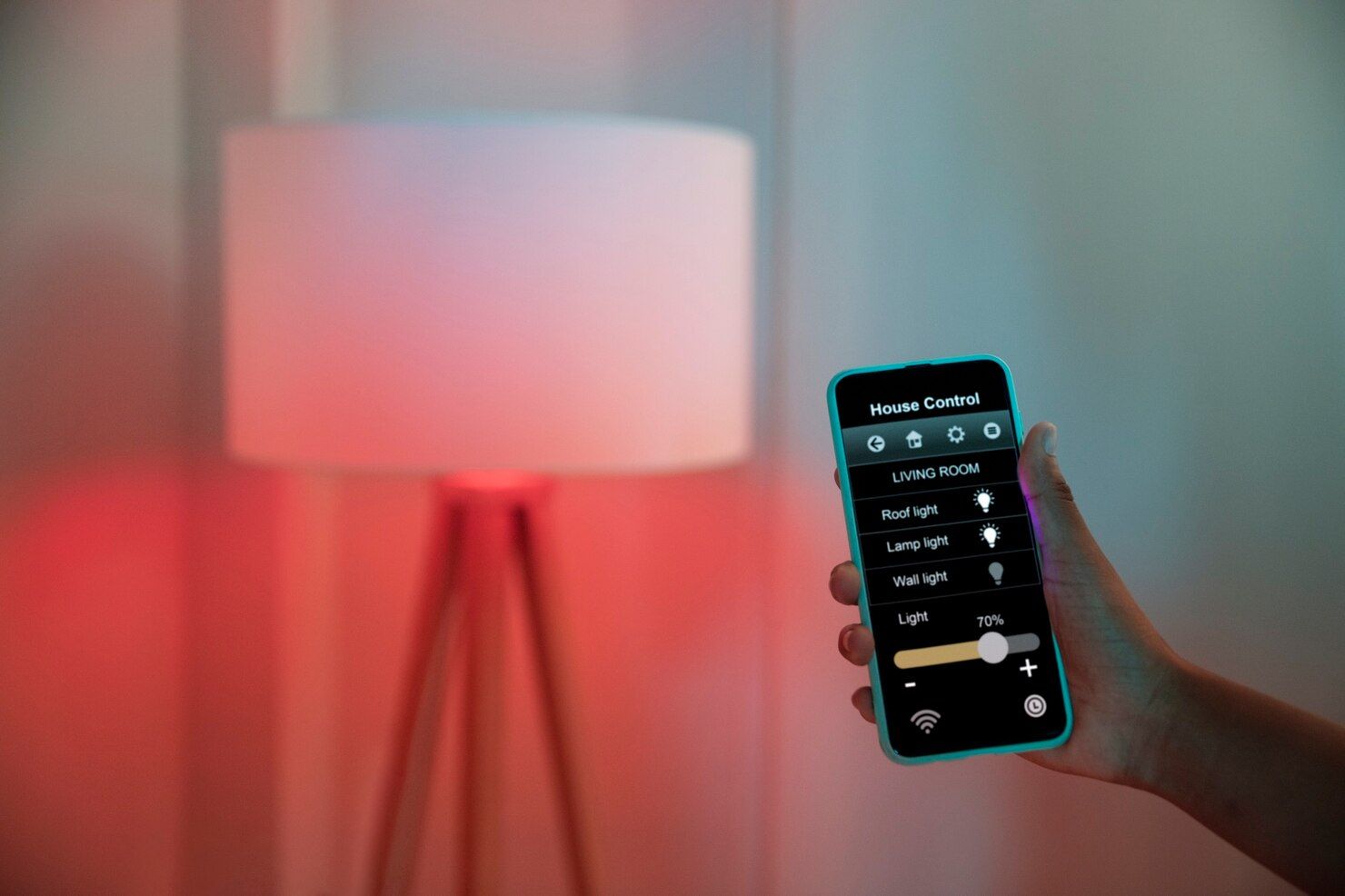
The idea exists because lighting is one of the most frequently used electrical functions in homes, offices, and public buildings. Traditional lighting remains on when it is not needed, uses fixed brightness levels, and offers little adaptability to daily routines. Smart lighting controls were developed to improve efficiency, comfort, and precision by allowing light to respond to people, time of day, and environmental conditions.
At a basic level, smart lighting connects lamps, switches, or fixtures to a central control method. This may involve wireless communication, automation rules, and integration with other smart home technologies. The goal is not decoration or novelty, but structured control over how, when, and where light is used.
Importance: Why Smart Lighting Controls Matter Today
Smart lighting controls matter because lighting affects energy use, productivity, safety, and well-being. As buildings become more connected and energy-aware, lighting control systems play a central role in modern infrastructure.
These systems affect a wide range of users:
-
Homeowners seeking predictable lighting routines
-
Office managers focused on energy efficiency
-
Educational and healthcare facilities that need consistent lighting conditions
-
Cities implementing intelligent infrastructure
Key problems smart lighting controls help address include:
-
Unnecessary electricity consumption
-
Inconsistent lighting levels throughout the day
-
Manual dependency that leads to lights being left on
-
Lack of accessibility for elderly or mobility-limited users
By using automation, lighting can adjust to natural daylight, occupancy, or pre-set schedules. This reduces wasted power and supports energy optimization goals. In work environments, controlled lighting improves focus and reduces eye strain. In residential settings, it adds predictability and convenience without requiring constant user input.
Recent Updates: Technology and Usage Trends
In recent months, smart lighting controls have continued to evolve alongside broader smart home automation and Internet of Things development. One noticeable trend is the shift from isolated lighting systems to fully integrated platforms that communicate with sensors, thermostats, and security devices.
Another update involves improved adaptive lighting features. These systems now analyze usage patterns and ambient conditions to automatically adjust brightness and color temperature. This reduces the need for manual configuration and improves user experience.
There has also been wider adoption of wireless control standards that allow devices from different manufacturers to work together. This change addresses earlier compatibility issues and makes system expansion easier.
In commercial and public buildings, smart lighting analytics have gained attention. These tools provide usage data, occupancy patterns, and system health insights, helping facility managers make informed decisions about energy planning and maintenance.
Laws or Policies: Regulatory Influence and Public Programs
Smart lighting controls are influenced by energy efficiency regulations and building performance standards in many countries. Governments increasingly promote intelligent lighting as part of broader sustainability and energy conservation programs.
Common regulatory themes include:
-
Building energy codes that encourage automated lighting controls
-
Efficiency benchmarks for commercial lighting systems
-
Public sector guidelines supporting intelligent infrastructure
In some regions, smart lighting is included in green building certification frameworks. These frameworks emphasize reduced energy demand, adaptive controls, and measurable efficiency outcomes. Public institutions often follow such guidelines when upgrading lighting systems in offices, schools, and transport facilities.
Policies generally do not mandate specific brands or technologies but define performance expectations. This approach encourages innovation while ensuring that lighting systems contribute to national and regional energy objectives.
Tools and Resources: Helpful Platforms and Learning Aids
Understanding and managing smart lighting controls is easier with the right tools and resources. These support planning, configuration, and long-term optimization.
Useful categories include:
-
Lighting control applications for scheduling and remote management
-
Energy monitoring dashboards that visualize lighting consumption
-
Automation rule builders for setting time-based or sensor-based actions
-
Configuration templates for common residential or commercial setups
The table below shows common tool types and their typical purpose:
| Tool Category | Primary Function | Typical Users |
|---|---|---|
| Control Apps | Manual and automated lighting control | Home users |
| Energy Dashboards | Track lighting energy usage | Facility managers |
| Sensor Systems | Detect motion and daylight | Offices and public spaces |
| Automation Platforms | Coordinate lighting with other systems | Advanced users |
Educational resources such as technical guides, system diagrams, and simulation tools also help users understand how lighting control logic works before implementation.
How Smart Lighting Technology Works in Everyday Use
Smart lighting controls rely on a combination of hardware and software components. These include connected light sources, control modules, sensors, and a user interface.
In everyday use, the process typically follows this flow:
-
A sensor detects presence or daylight levels
-
Control logic evaluates predefined rules
-
Lights adjust brightness, color, or on/off status
-
User overrides are applied when needed
Below is a simplified comparison of traditional and smart lighting behavior:
| Feature | Traditional Lighting | Smart Lighting Controls |
|---|---|---|
| Control Method | Manual switch | App, automation, sensors |
| Energy Adaptation | None | Dynamic adjustment |
| Scheduling | Not available | Time-based routines |
| Data Feedback | None | Usage and performance data |
This approach allows lighting to respond automatically while remaining predictable and user-friendly.
FAQs: Common Questions About Smart Lighting Controls
What makes lighting “smart” rather than automated?
Smart lighting not only follows schedules but also responds to sensors, user behavior, and system data. It can adapt in real time rather than relying solely on fixed timers.
Do smart lighting controls work without internet access?
Many systems continue basic functions locally, such as scheduled lighting or sensor response. Remote access and updates usually require connectivity.
Are smart lighting controls suitable for small homes?
Yes. These systems can be scaled to manage a single room or an entire building, making them suitable for various living spaces.
How do smart lighting controls improve energy efficiency?
They reduce unnecessary usage by adjusting lighting based on occupancy, daylight, and predefined rules. This prevents lights from operating at full output when not needed.
Can smart lighting be used in existing buildings?
Most systems are designed to integrate with existing electrical infrastructure, using wireless controls or modular components.
Conclusion: Understanding the Role of Smart Lighting Controls
Smart lighting controls represent a shift from static illumination to responsive, data-informed lighting environments. They exist to address inefficiencies, improve comfort, and align lighting behavior with modern energy and automation expectations.
By combining sensors, control logic, and user interfaces, these systems offer practical benefits without requiring constant attention. Their relevance continues to grow as buildings become smarter and more energy-conscious.
For a general audience, understanding smart lighting controls means recognizing how everyday lighting can adapt intelligently to people, spaces, and time. As technology and policy continue to align around efficiency and automation, smart lighting controls are becoming a foundational element of modern living and working environments.

