Explore Solar Panel Cleaning Robots: Complete Overview, Insights, Suggestions, and Information
Solar panel cleaning robots are automated or semi-automated devices designed to remove dust, sand, bird droppings, and other debris from photovoltaic (PV) panels. These systems are commonly used in residential rooftops, commercial solar arrays, and large-scale solar farms.
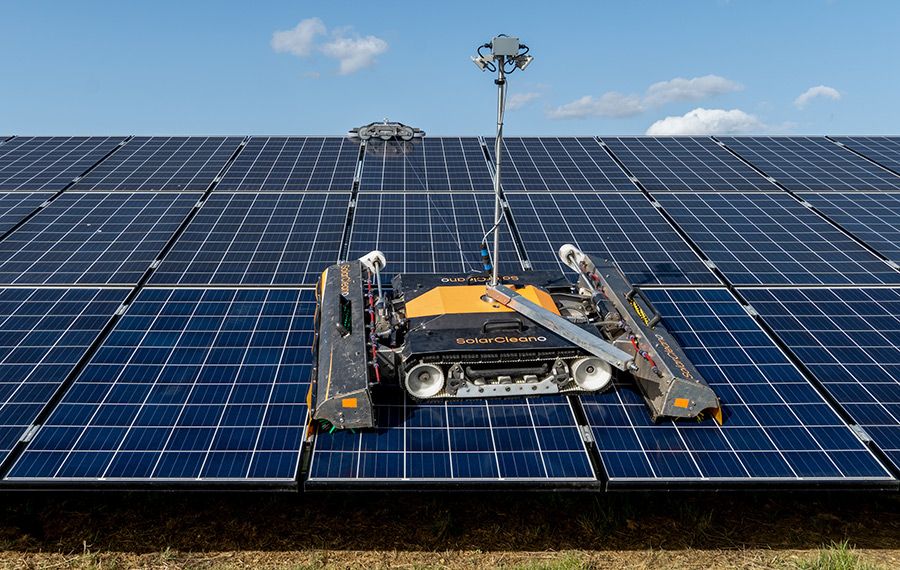
Solar panels generate electricity by converting sunlight into power. However, when dirt accumulates on their surface, it blocks sunlight and reduces efficiency. In dusty regions, industrial zones, and desert environments, this buildup can significantly affect energy output. Solar panel cleaning robots were developed to address this issue safely and consistently.
Most robotic cleaning systems operate using:
-
Motorized brushes or microfiber rollers
-
Waterless cleaning mechanisms
-
Automated navigation systems
-
Remote monitoring software
-
AI-based obstacle detection
They are designed to clean panels without damaging the glass surface or affecting system wiring. Some models operate autonomously on scheduled cycles, while others are remotely controlled.
As solar energy adoption increases worldwide, maintaining panel performance has become a growing area of focus. This has contributed to advancements in robotic automation, smart solar maintenance technologies, and energy efficiency optimization.
Why Solar Panel Cleaning Robots Matter Today
Solar energy systems represent a major investment in renewable energy infrastructure. Maintaining optimal performance is essential for achieving expected energy production levels.
Dust accumulation can reduce panel output by 5% to 30%, depending on the environment. In regions with heavy pollution or frequent dust storms, losses may be even higher. Robotic cleaning systems help address this performance gap by maintaining clean surfaces without requiring manual labor on rooftops or elevated structures.
The topic affects:
-
Residential solar system owners
-
Commercial property managers
-
Utility-scale solar farm operators
-
Renewable energy developers
-
Industrial facilities using rooftop solar
Key problems these robots help solve include:
-
Safety risks associated with manual rooftop cleaning
-
Water consumption concerns in dry climates
-
Inconsistent maintenance schedules
-
Labor-intensive cleaning processes
-
Energy production losses due to soiling
In utility-scale projects, automated cleaning systems contribute to improved solar ROI optimization and long-term asset performance management. For residential systems, they support sustainable energy efficiency and reduced maintenance complexity.
The growing focus on carbon reduction targets and clean energy transition has made solar infrastructure maintenance an increasingly important topic in the renewable energy sector.
Recent Trends and Industry Developments
The solar robotics market has experienced steady technological advancement in the past year. Several notable trends include:
• Increased use of waterless robotic cleaning systems in arid regions
• Integration of AI-based navigation and sensor mapping
• Expansion of autonomous docking and charging stations
• Improved lightweight designs for rooftop solar systems
• Enhanced remote monitoring dashboards
Many solar farm operators have adopted robotic cleaning to reduce operational downtime and maintain consistent output levels. Industry analysts have also reported greater integration between solar monitoring software and robotic cleaning systems, enabling performance-based cleaning schedules.
The following table illustrates general improvements in technology focus:
| Technology Feature | Earlier Systems | Current Systems |
|---|---|---|
| Navigation | Manual or basic rails | AI-based autonomous |
| Water Usage | Moderate water use | Waterless or low-water |
| Monitoring | Local controls | Cloud-based dashboards |
| Deployment | Semi-automated | Fully automated options |
| Maintenance Alerts | Manual checks | Predictive alerts |
A simple comparison of cleaning efficiency impact is shown below:
Energy Output Efficiency (Illustrative Comparison)
Clean Panels: 100% baseline output
Light Dust Accumulation: ~95%
Moderate Soiling: ~85–90%
Heavy Soiling: ~70–80%
This demonstrates how regular automated cleaning can help maintain system efficiency.
Robotics and automation technologies are increasingly being integrated into broader smart grid and renewable energy management systems. As solar adoption expands globally, maintenance automation continues to gain relevance.
Regulations, Policies, and Government Influence
Solar panel cleaning robots are indirectly affected by renewable energy policies, safety standards, and environmental regulations in various countries.
Government programs promoting solar adoption often emphasize system efficiency and long-term performance. While cleaning robots themselves may not always be directly regulated, the following areas are relevant:
-
Workplace safety regulations for rooftop operations
-
Electrical safety compliance standards
-
Renewable energy performance benchmarks
-
Water conservation policies
-
Environmental protection guidelines
In countries with strong renewable energy targets, such as India, the United States, Germany, and Australia, utility-scale solar plants must meet performance expectations tied to grid agreements. Efficient cleaning contributes to maintaining compliance with these operational benchmarks.
Water conservation regulations are especially important in desert regions. Waterless robotic cleaning systems align with sustainability guidelines that aim to reduce water consumption in industrial processes.
Additionally, occupational safety standards often encourage reducing manual high-risk activities. Robotic cleaning solutions support safer solar infrastructure management by limiting human exposure to rooftop and large-scale panel cleaning tasks.
As governments expand clean energy incentives, system performance monitoring and efficiency optimization continue to receive policy attention.
Tools, Platforms, and Helpful Resources
Several digital tools and technologies complement solar panel cleaning robots and help system owners monitor performance.
Solar Monitoring Software
Many solar installations include monitoring dashboards that track real-time energy production, voltage levels, and performance trends. These systems help identify when output drops due to soiling.
Performance Ratio Calculators
Energy efficiency calculators help estimate how much output loss may occur due to dust accumulation. These tools are commonly used in solar performance analysis and energy yield forecasting.
Drone Inspection Systems
Drones equipped with thermal imaging cameras help detect hotspots and panel irregularities. They complement robotic cleaning by identifying maintenance needs.
Energy Analytics Platforms
Advanced platforms use data analytics and AI to assess system health, predict cleaning cycles, and improve renewable energy asset management.
Below is a simplified comparison of maintenance approaches:
| Maintenance Method | Automation Level | Safety Risk | Water Usage | Monitoring Integration |
|---|---|---|---|---|
| Manual Cleaning | Low | Higher | Variable | Limited |
| Semi-Automated Systems | Medium | Moderate | Moderate | Partial |
| Robotic Cleaning Systems | High | Lower | Low/None | Advanced |
Educational resources on solar maintenance can also be found through renewable energy research institutions, engineering publications, and government clean energy departments.
Frequently Asked Questions
What are solar panel cleaning robots?
Solar panel cleaning robots are automated machines designed to remove dirt and debris from photovoltaic panels to maintain energy production efficiency.
How often should solar panels be cleaned?
Cleaning frequency depends on environmental conditions. Dusty or polluted areas may require more frequent cleaning, while regions with regular rainfall may require less maintenance.
Do robotic cleaners use water?
Some models use minimal water, while others operate completely waterless using rotating brushes or microfiber rollers. Waterless systems are common in desert environments.
Can robotic cleaning damage solar panels?
When properly designed and used according to manufacturer guidelines, robotic cleaners are built to avoid scratching or damaging panel surfaces. They use soft materials and controlled pressure.
Are solar panel cleaning robots suitable for residential systems?
Yes, certain lightweight robotic systems are designed specifically for residential rooftops. Larger autonomous systems are more common in commercial and utility-scale installations.
Conclusion
Solar panel cleaning robots represent an important development in renewable energy maintenance and solar efficiency optimization. As solar adoption increases globally, maintaining system performance becomes essential for achieving expected energy output levels.
These robotic systems address challenges related to dust accumulation, water usage, safety risks, and operational efficiency. Advances in AI integration, automation, and remote monitoring have further enhanced their functionality.
Government policies supporting renewable energy expansion and sustainability initiatives indirectly contribute to the relevance of robotic maintenance technologies. Additionally, energy analytics platforms and performance monitoring tools help system operators make informed maintenance decisions.
Understanding how solar panel cleaning robots work, why they matter, and how they fit within regulatory and environmental frameworks can help individuals and organizations better manage their solar energy systems.
As the clean energy transition continues, efficient maintenance solutions will remain an important component of long-term solar infrastructure performance and sustainability.

