Explore the Basics of Industrial Equipment Rental: What Businesses Should Know
Industrial equipment rental is a service that allows businesses to temporarily use machinery, tools, or vehicles for industrial purposes without owning them. Common equipment categories include construction machinery (like bulldozers, excavators), manufacturing equipment, power generators, forklifts, and scaffolding systems.
This model exists to help companies access costly, specialized, or short-term-use equipment without large upfront investment. From small-scale contractors to large factories, many rely on equipment rental as a flexible solution for managing operations, testing machinery, or expanding capacity temporarily.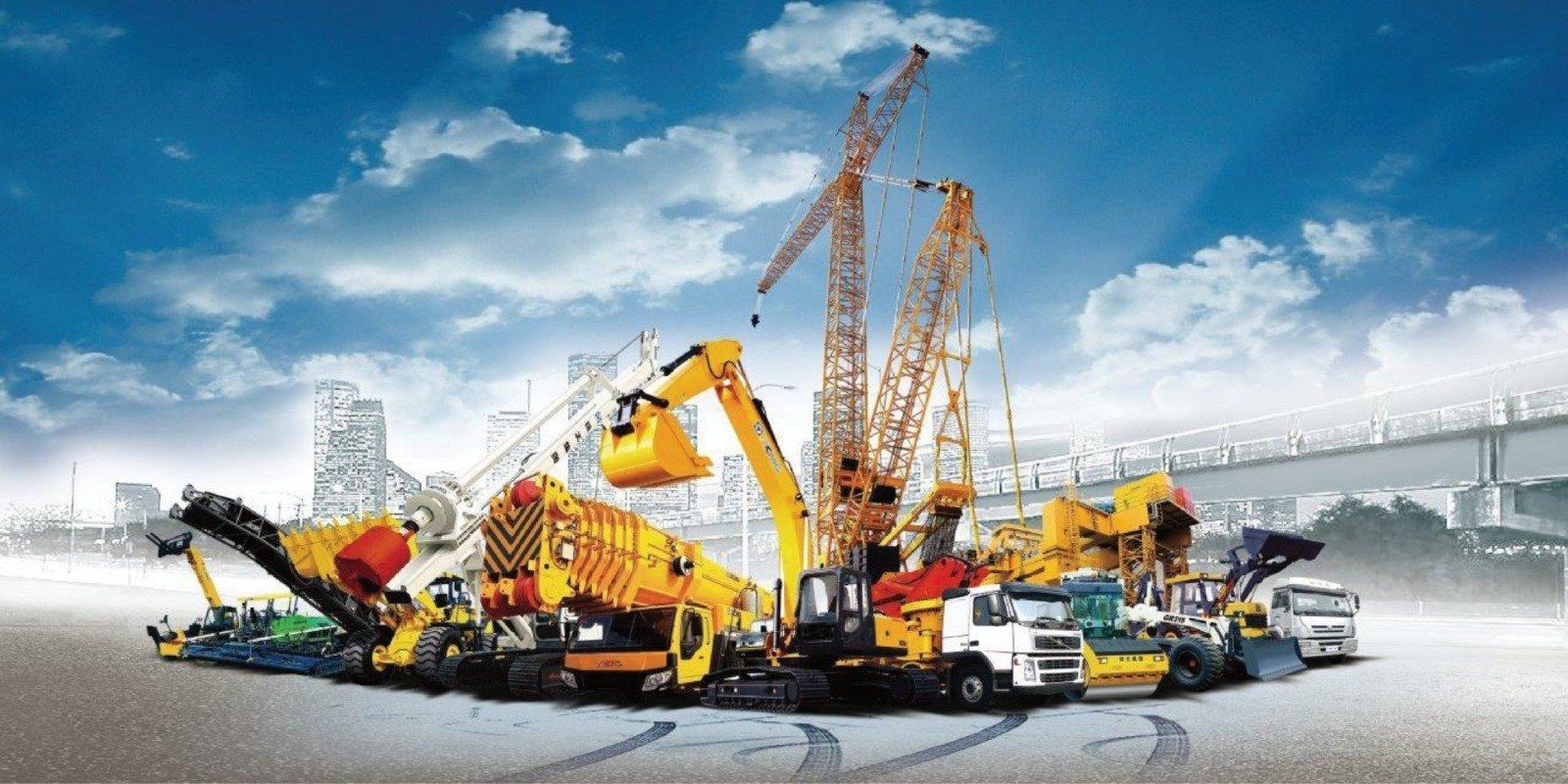
Why Industrial Equipment Rental Matters Today
The concept of "rent rather than buy" has become increasingly relevant in today’s fast-paced and cost-sensitive business environment. Here’s why equipment rental is significant:
Who Benefits:
-
Construction firms needing equipment for short-term projects
-
Manufacturers seeking temporary replacements during breakdowns
-
Startups and SMEs aiming to reduce capital expenditure
-
Event organizers needing power equipment or temporary infrastructure
Problems It Solves:
-
High ownership costs: Buying industrial equipment can involve large capital outlays and long-term maintenance expenses.
-
Storage and transportation issues: Renting eliminates the need to manage idle equipment.
-
Flexibility: Companies can scale operations up or down without being tied to long-term assets.
-
Downtime reduction: Quick access to rental equipment helps businesses continue work when their owned equipment breaks down.
Sustainability Factor:
With circular economy practices gaining ground, rental services also support sustainability by maximizing asset usage and reducing equipment waste.
Recent Trends and Market Updates in Equipment Rental
In recent years, the industrial equipment rental industry has seen growth driven by digitalization, sustainability goals, and project-based operations across sectors.
Key trends include:
| Trend | Description |
|---|---|
| Digital Booking Platforms | Many rental providers now offer app-based and online booking platforms with real-time availability and pricing. |
| Subscription-Based Rentals | Some companies provide monthly or annual leasing options with maintenance included, offering predictable costs. |
| Eco-Friendly Equipment Demand | Electric and hybrid equipment rentals are on the rise, especially in Europe and North America. |
| Global Market Growth | According to a 2024 report by Allied Market Research, the global construction equipment rental market is expected to exceed $155 billion by 2030. |
Legal and Policy Considerations
Renting industrial equipment involves adherence to various local and national regulations depending on the location and type of equipment.
Common legal requirements include:
-
Insurance and liability coverage: Most rental agreements require the renter to have insurance for the equipment.
-
Operator certifications: Certain equipment like cranes or forklifts can only be operated by certified personnel.
-
Environmental regulations: Emission standards for diesel-powered machinery may limit the use of certain models.
-
Safety compliance: Rental machinery must meet local occupational health and safety requirements (e.g., OSHA in the U.S., ISO certifications globally).
Country-specific policies:
-
In India, under the Goods and Services Tax (GST) regime, equipment rental services are typically taxed at 18%.
-
In the U.S., equipment used on federal projects must often meet Buy American or sustainability-related compliance.
-
European Union regulations may apply to noise levels, emissions, and CE certifications for rented equipment.
Always review the rental contract terms, including maintenance responsibility, damage liability, and return conditions.
Useful Tools and Resources for Businesses
Whether you’re renting for the first time or optimizing your current rental strategy, several resources can assist you:
Online Marketplaces:
-
BigRentz (U.S.) – Platform for construction equipment rentals with real-time availability
-
Kissht Infra (India) – Offers rental for construction and industrial tools via app
-
Boels Rental (Europe) – Offers a wide range of industrial tools and machinery
Apps and Calculators:
-
Rental ROI Calculator – Helps determine whether renting or buying is more cost-effective
-
Fleet tracking apps – Like Trackunit or ZTR, useful when renting multiple machines
Templates & Documents:
-
Equipment rental agreement templates (downloadable from legal template websites)
-
Maintenance checklist forms to ensure equipment is returned in proper condition
Directories:
-
EquipmentWatch – Provides pricing benchmarks, resale values, and rental rate trends
-
ThomasNet – Industrial supplier directory to find rental providers
Frequently Asked Questions (FAQs)
1. Is it better to rent or buy industrial equipment?
It depends on your use case. If the equipment is used occasionally or for short-term projects, renting is often more cost-effective. For long-term, frequent use, buying may offer better value over time.
2. What’s usually included in a rental agreement?
Most agreements cover the rental duration, daily/weekly rates, maintenance responsibilities, liability for damages, delivery and return logistics, and penalties for late return or misuse.
3. Do rental companies provide trained operators?
Some do, especially for specialized or hazardous machinery. This may come at an additional cost, but ensures compliance with safety regulations.
4. What should I check before accepting rented equipment?
Inspect the equipment’s condition, ask for a maintenance log, ensure all safety features are functional, and photograph any pre-existing damage. Always get a handover checklist signed by both parties.
5. Can I modify or upgrade rented equipment?
Usually not without written permission. Unauthorized modifications may violate terms and lead to penalties or void insurance coverage.
Final Thoughts
Industrial equipment rental is a practical, scalable, and financially smart option for many businesses. As industries become more project-driven and technology-focused, the rental model continues to gain traction worldwide.
Understanding the basics like how it works, legal factors, market trends, and available tools can help companies make informed decisions that align with operational needs and financial goals. Whether you're in construction, manufacturing, or logistics, rental services can offer flexibility without the burden of ownership.