Explore the Basics of Liposuction for Belly Fat: A Complete Guide
Liposuction is a medical procedure designed to remove localized fat deposits from the body. When performed on the abdominal area, it targets stubborn belly fat that is resistant to diet and exercise. It involves the use of a suction technique to remove fat through small incisions made in the skin. The goal is not weight loss, but rather body contouring and reshaping.
First introduced in the 1970s, liposuction has evolved significantly over the decades, with modern techniques offering safer, more precise results and quicker recovery times. The abdominal region remains one of the most commonly treated areas due to genetic fat storage patterns, aging, pregnancy-related changes, or lifestyle habits.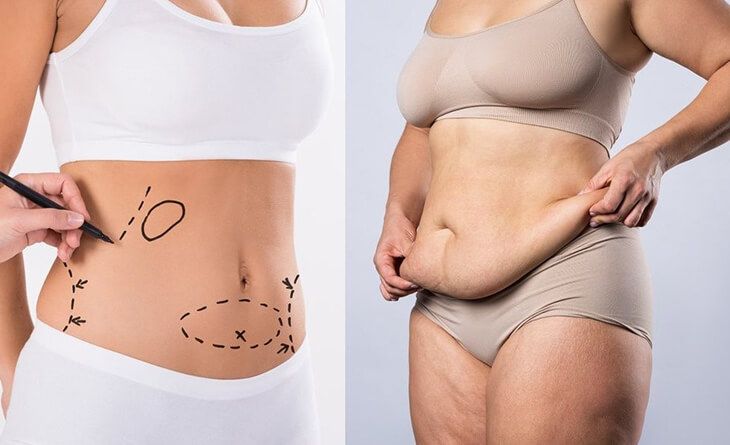
Why This Procedure Matters Today
Belly fat is not just a cosmetic concern. Excess abdominal fat, especially visceral fat (which lies deep within the abdomen), is linked to various health conditions such as heart disease, diabetes, and metabolic syndrome. While liposuction cannot remove visceral fat, it does help address subcutaneous fat, improving body contour and potentially motivating a healthier lifestyle post-procedure.
The demand for cosmetic procedures has steadily increased worldwide. According to the International Society of Aesthetic Plastic Surgery (ISAPS), over 1.9 million liposuction procedures were performed globally in 2023, making it the second most common cosmetic surgery after breast augmentation.
Who it affects:
-
Adults with stubborn abdominal fat despite diet and exercise
-
Individuals with stable body weight but localized fat deposits
-
People looking for body contouring rather than significant weight loss
Problems it helps address:
-
Self-esteem or body image concerns
-
Uneven fat distribution
-
Post-pregnancy or post-weight loss body changes
Recent Trends and Updates
Recent years have seen advances in liposuction technologies and patient preferences:
Minimally Invasive Techniques
Newer methods such as laser-assisted liposuction (SmartLipo) and ultrasound-assisted liposuction (VASER) have gained popularity. These techniques allow for better precision, reduced recovery time, and less bruising.
Rise of Awake Liposuction
In many clinics, local anesthesia is used instead of general anesthesia. This "awake liposuction" trend is growing due to its reduced risks and shorter post-op recovery.
Integration with Other Procedures
Liposuction is increasingly combined with tummy tucks or body sculpting techniques to enhance results. High-definition liposuction is also trending among those looking for abdominal muscle definition.
Global Growth
Countries like India, South Korea, and Turkey have emerged as major hubs for medical tourism in cosmetic surgery. In the U.S., procedures rose by over 21% in 2023 alone, indicating continued high demand.
| Year | Total Liposuction Procedures Worldwide |
|---|---|
| 2021 | 1.56 million |
| 2022 | 1.72 million |
| 2023 | 1.94 million |
Legal and Regulatory Considerations
Liposuction is regulated differently across countries, and it's essential to understand the medical and legal landscape before undergoing the procedure.
United States
-
Must be performed by board-certified plastic surgeons
-
FDA-approved technologies only (e.g., SmartLipo, VASER)
-
Informed consent and preoperative evaluations are mandatory
-
Procedures are often outpatient but must meet surgical facility standards
India
-
Governed by the Medical Council of India (MCI) and local health departments
-
Clinics must hold NABH accreditation
-
Surgeons must be certified under the MCh (Plastic Surgery) program
United Kingdom
-
Regulated by the Care Quality Commission (CQC)
-
The General Medical Council (GMC) requires surgeons to hold a specialist registration
-
Cosmetic surgery ads must not make misleading claims under ASA rules
Regardless of location, patients should verify a surgeon's credentials and the clinic's license before proceeding.
Helpful Tools and Resources
Here are some useful tools and platforms for those researching or planning abdominal liposuction:
-
American Society of Plastic Surgeons (ASPS): www.plasticsurgery.org
Offers surgeon directories, procedure overviews, and cost calculators. -
RealSelf: www.realself.com
Features patient reviews, cost ranges, and before-and-after images. -
BMI and Fat Percentage Calculators:
Apps like MyFitnessPal and Body Visualizer help evaluate if fat is subcutaneous and potentially treatable via liposuction. -
Google Scholar or PubMed:
For accessing peer-reviewed research on liposuction advancements. -
Post-Op Care Apps:
Tools like CaraCare and Recovery Record help track recovery, fluid intake, and symptoms post-surgery.
Frequently Asked Questions
Q1. Is liposuction a weight-loss procedure?
No. Liposuction is not a substitute for weight loss. It is meant to remove small pockets of fat to improve body contour. Patients are encouraged to maintain a stable weight before and after the procedure.
Q2. How long is the recovery period for belly liposuction?
Recovery varies by individual and technique, but most patients return to light activities within 3–7 days. Swelling and bruising may last for several weeks. Full results typically appear within 1–3 months.
Q3. Are the results of liposuction permanent?
The removed fat cells do not return. However, if a person gains weight post-procedure, remaining fat cells can enlarge. A stable diet and exercise routine is necessary to maintain results.
Q4. Who is not a good candidate for liposuction?
People with significant medical conditions (e.g., heart disease, bleeding disorders), high body mass index (BMI >30), or unrealistic expectations may not be suitable candidates. Pregnant or breastfeeding individuals are also advised against the procedure.
Q5. What are the common risks or side effects?
Typical side effects include swelling, bruising, and temporary numbness. Rare complications can include infection, contour irregularities, or fluid accumulation. Risks are minimized when performed by qualified surgeons.
Final Thoughts
Liposuction for belly fat is a widely practiced and generally safe procedure when done under professional supervision. While it offers improvements in body shape and confidence, it's not a solution for weight loss or internal fat reduction. As technology advances and public interest in body contouring grows, liposuction continues to evolve as a refined cosmetic option.
For anyone considering the procedure, it's important to consult with a licensed medical professional, understand the limitations, and prioritize long-term health over short-term appearance changes.