Explore the Benefits of Yoga Wellness: Insights for a Healthier Life
Yoga wellness is a holistic approach to well-being that combines physical postures (asanas), breathing techniques (pranayama), and meditation practices to support mental, emotional, and physical health. Rooted in ancient Indian traditions, yoga has evolved into a global wellness practice adapted to diverse lifestyles and needs.
Unlike conventional exercise routines focused solely on physical fitness, yoga promotes a deeper mind-body connection. Today, many people adopt yoga not only to improve flexibility or posture but also to manage stress, boost concentration, and enhance their overall quality of life.
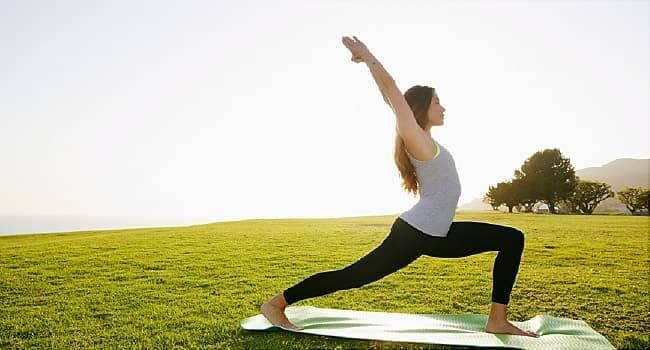
Why Yoga Wellness Matters Today
In an increasingly fast-paced and digitally connected world, stress, anxiety, and physical inactivity have become common concerns. Yoga offers a practical, accessible, and non-invasive way to address these issues.
Here’s why yoga wellness is relevant today:
-
Mental health challenges: Yoga has been shown to reduce stress, anxiety, and symptoms of depression.
-
Sedentary lifestyle: Modern jobs often involve prolonged sitting; yoga helps improve mobility and posture.
-
Chronic conditions: Studies suggest yoga can support the management of conditions like hypertension, diabetes, arthritis, and lower back pain.
-
Preventive health: Regular practice can improve immunity, sleep, and digestive health.
Yoga wellness is inclusive and adaptable. It can benefit individuals of all ages from children and teens coping with academic stress to older adults seeking balance and flexibility.
Recent Developments and Trends in Yoga
The past year has seen several developments in how yoga is practiced, perceived, and integrated into healthcare systems and daily life:
Growing Integration with Technology
-
Wearables and yoga apps: Platforms like Yoga Studio, Alo Moves, and Down Dog have gained popularity, offering personalized yoga sessions and tracking tools.
-
Virtual yoga classes: Online instruction, especially after the COVID-19 pandemic, remains in demand. In 2024, many workplaces and schools incorporated virtual yoga into wellness programs.
Focus on Mental Wellness
-
The World Health Organization (WHO) in 2024 acknowledged the role of mind-body interventions, including yoga, in mental health promotion.
-
Mindfulness-based yoga programs are now increasingly offered in hospitals, especially in countries like the USA, India, Australia, and the UK.
International Recognition
-
The International Day of Yoga (June 21) continues to grow in visibility. In 2025, over 170 countries hosted yoga-related events focusing on wellness for all ages.
Data Snapshot: Global Yoga Practice
| Region | Estimated Practitioners (2025) | Growth Since 2020 |
|---|---|---|
| United States | 36 million | +18% |
| India | 300 million | +22% |
| Europe | 30 million | +15% |
| Australia | 5 million | +20% |
Policies and Government Support
Yoga wellness has received support through various government programs and institutional frameworks. These efforts have helped promote yoga in public spaces, schools, and workplaces.
India
-
Ministry of AYUSH supports research, education, and training in yoga.
-
Yoga was included in the National Education Policy (NEP) to promote physical and mental development in students.
-
Public health programs now integrate yoga sessions in urban and rural healthcare centers.
United States
-
Many state governments encourage school-based yoga and mindfulness programs to support emotional regulation in students.
-
Yoga is eligible for Flexible Spending Account (FSA) reimbursement under some health insurance plans when prescribed for medical reasons.
Europe
-
Countries like Germany and the Netherlands include yoga as part of preventive health strategies, often subsidized by public insurance schemes.
World Health Organization (WHO)
-
WHO continues to recognize yoga as part of Traditional, Complementary, and Integrative Medicine (TCIM), supporting its use in global health systems.
Tools and Resources for Practicing Yoga
Whether you are a beginner or experienced practitioner, there are many resources to help integrate yoga into your wellness routine.
Popular Apps and Platforms
-
Down Dog – Customizable yoga workouts based on skill level and goal.
-
Yoga for Beginners by Daily Yoga – Easy-to-follow guided sessions.
-
Insight Timer – Includes yoga, breathwork, and meditation sessions.
-
Glo – Offers classes in yoga, pilates, and mindfulness for all levels.
Websites and Video Libraries
-
DoYogaWithMe.com – Free and paid video classes.
-
YouTube Channels like Yoga with Adriene – Known for accessible instruction and global community.
-
Yoga Alliance – A comprehensive directory for certified teachers and schools.
Community and Institutional Support
-
Local wellness centers, schools, and hospitals often offer free or subsidized yoga programs.
-
Public parks and libraries may host weekend or group yoga classes, especially on health observance days.
Frequently Asked Questions (FAQs)
Q1. Do I need to be flexible to start yoga?
No. Yoga is for everyone, regardless of flexibility or fitness level. Many poses can be modified, and flexibility improves over time with consistent practice.
Q2. Can yoga help with anxiety and depression?
Yes. Research suggests that yoga, especially when combined with breathwork and meditation, can help reduce symptoms of anxiety and depression by lowering cortisol levels and calming the nervous system.
Q3. Is yoga suitable for older adults or people with chronic conditions?
Absolutely. There are specialized yoga programs such as chair yoga, therapeutic yoga, and restorative yoga that are designed for older adults or those with health issues. Always consult a healthcare provider before starting a new routine.
Q4. How often should I practice yoga to see results?
Consistency is key. Practicing yoga 2 – 4 times per week can lead to noticeable improvements in flexibility, stress levels, and general well-being within a few weeks.
Q5. What is the difference between yoga and meditation?
Yoga often involves physical movement, while meditation is typically stillness of the body with focused attention. However, both practices overlap and support each other many forms of yoga include meditative elements.
Conclusion
Yoga wellness is more than a physical routine it's a lifestyle that supports mental clarity, emotional balance, and physical vitality. In a time when modern stressors affect people across age groups, yoga offers a time-tested and scientifically backed way to reconnect with the self and build resilience.
With growing digital accessibility, government support, and increasing awareness of holistic health, yoga is now more approachable than ever. Whether you're starting with five minutes of breathing or joining a local class, integrating yoga into your daily life can be a meaningful step toward a healthier, more balanced existence.