Explore the Latest Fitness Trends Shaping Health and Wellness
The health and wellness industry continues to evolve, with fitness trends constantly adapting to new technologies, lifestyle changes, and scientific research. From wearable tech to mental wellness integration, today’s fitness approaches are broader and more personalized than ever. This article provides a clear and educational overview of the current fitness landscape why it matters, what’s new, how laws play a role, and what tools can help individuals and communities reach their goals.
Fitness is no longer confined to gyms or specific age groups. It encompasses a wide range of practices that support physical, mental, and emotional health. In recent years, there has been a growing shift toward holistic wellness, where movement, nutrition, sleep, stress management, and even social connection are all considered parts of a healthy lifestyle.
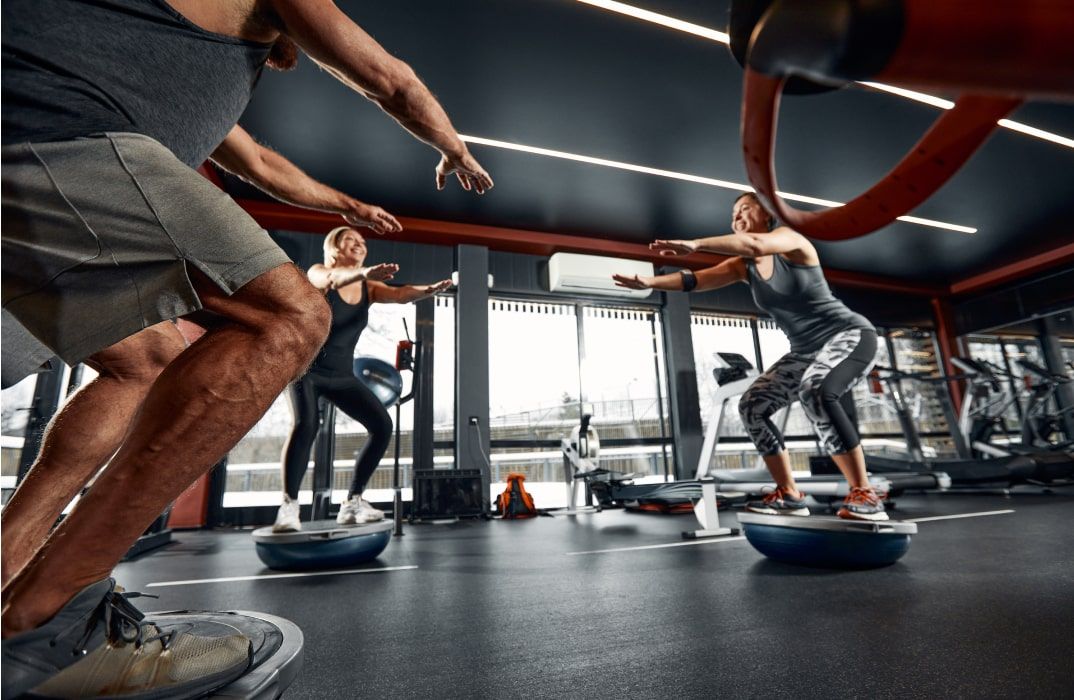
This transformation has been driven by increasing global awareness about chronic diseases, mental health challenges, sedentary lifestyles, and the long-term impact of daily habits. As digital technologies and data science become more accessible, people are now able to personalize their fitness routines like never before tracking everything from heart rate variability to sleep quality.
Why Fitness Trends Matter in 2025
The fitness trends of 2025 are reshaping the way individuals engage with their health, and they matter for several important reasons:
-
Healthier Populations: Regular physical activity reduces the risk of heart disease, obesity, diabetes, and mental health disorders. Public health systems benefit from fitter populations through lower healthcare costs and improved productivity.
-
Mental Wellness Integration: Fitness is increasingly recognized as a key player in mental well-being. Mind-body practices such as yoga, tai chi, and breathwork are more widely used to manage stress, anxiety, and depression.
-
Post-Pandemic Adaptation: Since the COVID-19 pandemic, more people have prioritized at-home workouts, immune-supportive practices, and fitness routines that adapt to their schedules and environments.
-
Workplace Wellness: Employers are investing in corporate wellness programs, recognizing that employee health translates into better performance and reduced absenteeism.
Recent Fitness Trends and Innovations
The past year has seen significant shifts in how people view and practice fitness. Some of the most notable trends include:
1. Wearable Fitness Tech Evolution
-
Smart Rings and AI-powered Watches: Devices like the Oura Ring and advanced versions of Fitbit and Apple Watch now offer detailed biometric feedback beyond steps and calories.
-
VO2 Max & HRV Tracking: More users are focusing on long-term metrics like recovery and cardiovascular capacity.
-
Integration with Health Apps: Apple Health, Google Fit, and third-party platforms now sync to provide unified data dashboards.
2. Hybrid Fitness Models
-
Online + Offline Blending: Gyms and studios are combining in-person training with virtual platforms like Peloton, Nike Training Club, and Mindbody.
-
Remote Coaching: Personalized coaching through apps like Future or Trainiac is gaining popularity for convenience and accountability.
3. Functional Fitness and Longevity Training
-
Emphasis is shifting from just aesthetics to mobility, strength, balance, and long-term health.
-
Programs like F45, CrossFit, and kettlebell-based routines focus on real-world movement and injury prevention.
4. Mental Health-Centric Workouts
-
Practices like neurobic training, cold exposure therapy, and intentional breathwork are trending.
-
Meditation apps such as Calm and Headspace are now bundling fitness and mindfulness sessions.
5. Inclusive and Adaptive Fitness
-
Programs are becoming more inclusive for all body types, ages, and ability levels.
-
Adaptive fitness platforms like Evolve21 and adaptive yoga classes are growing in reach.
Here’s a summary table of key 2025 fitness trends:
| Trend | Key Focus | Popular Tools/Apps |
|---|---|---|
| Wearable Tech | Data-driven insights | Oura, WHOOP, Apple Watch |
| Hybrid Workouts | Flexibility and access | Peloton, FitOn, Mindbody |
| Functional Fitness | Strength, mobility, prevention | F45, CrossFit, kettlebells |
| Mental-Fitness Integration | Stress relief, resilience | Calm, Breathwrk, Wim Hof |
| Adaptive & Inclusive Fitness | Accessible for all | Evolve21, YouTube classes |
Laws, Regulations, and Government Initiatives
Governments around the world are recognizing the importance of preventive health through fitness. Some noteworthy regulations and programs include:
India
-
Fit India Movement: Launched by the Ministry of Youth Affairs and Sports, this national campaign encourages people to incorporate fitness into daily life.
-
POSHAN Abhiyaan: Although focused on nutrition, it promotes community-level fitness and wellness awareness.
United States
-
Physical Activity Guidelines for Americans: Updated by the U.S. Department of Health and Human Services (HHS), these guidelines recommend 150 minutes of moderate activity per week.
-
Corporate Wellness Tax Incentives: Employers offering wellness programs may receive tax benefits.
Europe
-
EU Physical Activity Guidelines: Countries are implementing school, urban, and workplace policies to encourage active living.
Global
-
World Health Organization (WHO): The Global Action Plan on Physical Activity aims to reduce physical inactivity by 15% by 2030 through policy support and community initiatives.
Governments are also investing in infrastructure like cycling lanes, green parks, and accessible recreational facilities to encourage movement.
Tools and Resources to Support Fitness Goals
Whether you’re a beginner or a long-time fitness enthusiast, there are many accessible tools available:
Mobile Apps
-
Nike Training Club – Offers free and premium guided workouts.
-
MyFitnessPal – Helps track food and activity for weight management.
-
Strava – Popular with runners and cyclists for tracking progress and competing socially.
-
Fitbod – AI-based strength training generator.
Online Platforms
-
YouTube Fitness Channels – Yoga with Adriene, Caroline Girvan, and HASfit offer free high-quality sessions.
-
WHO Resources – The WHO website offers guides on physical activity for different age groups.
Calculators and Trackers
-
BMI Calculator – For basic health insight.
-
BMR & Calorie Calculators – Helps with weight loss or muscle gain goals.
-
Heart Rate Zones Tracker – Useful for training efficiency.
Community Support
-
Meetup and Strava Clubs – Join local walking, hiking, or cycling groups.
-
Corporate Wellness Platforms – Some companies offer group challenges and wellness funds.
Frequently Asked Questions
What is the most effective fitness trend in 2025?
There isn’t a one-size-fits-all answer. However, hybrid models combining functional strength training and mindfulness are showing promising results for both physical and mental well-being.
How has wearable technology changed fitness?
Wearables now offer real-time insights into recovery, sleep, heart rate variability, and stress levels, allowing users to optimize routines based on personal data.
Is online fitness as effective as gym workouts?
Yes, when followed consistently and guided by expert instruction, online workouts can be just as effective as in-person sessions. The key is personalization and adherence.
What are some low-cost ways to stay fit?
Bodyweight training, walking, and using free YouTube workouts are effective and accessible. Community parks and mobile apps can also help without cost.
Are fitness apps safe and accurate?
Most reputable apps are safe if used properly, but accuracy can vary. It’s important to understand your personal limits and consult with a professional when necessary.
Conclusion
Fitness in 2025 is more personalized, inclusive, and data-informed than ever. It now spans physical strength, mental health, community support, and lifestyle sustainability. By understanding current trends, utilizing the right tools, and being aware of supportive policies, individuals can take active control of their health journey. Whether through a smart watch, a virtual yoga class, or a walk in the park, modern fitness is more accessible than it’s ever been and it’s transforming lives in meaningful ways.