Explore Tourist Electric Scooter Rentals: Overview, Basics, and Helpful Resources
Tourist electric scooter rentals refer to short-term access to electric-powered scooters designed for local travel in cities, coastal areas, historic districts, and sightseeing zones. These scooters are typically docked or dockless, accessed through mobile applications, and powered by rechargeable lithium-ion batteries.
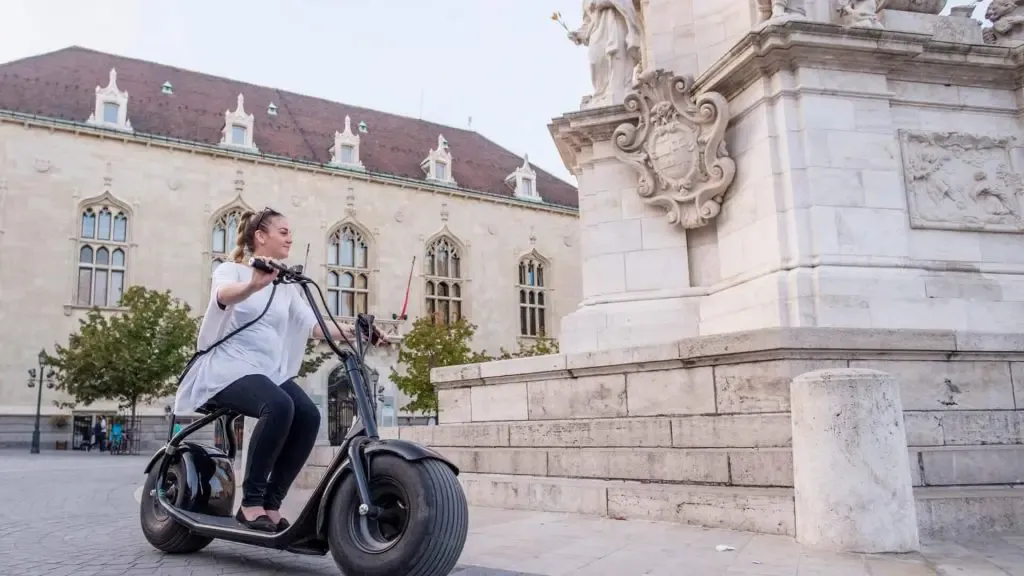
The concept developed as part of the wider urban mobility and micro-mobility movement. As cities became more crowded and environmentally aware, transportation planners and technology startups introduced electric scooters as an alternative to cars and taxis for short distances.
For tourists, electric scooter rentals provide a flexible and efficient way to explore unfamiliar destinations. Instead of relying solely on public transportation schedules or walking long distances, visitors can navigate streets at their own pace.
Common characteristics include:
-
App-based activation and digital verification
-
GPS tracking for route management
-
Speed controls for urban safety
-
Rechargeable battery systems
-
Geofencing in restricted areas
Electric scooters are now visible in many global travel destinations, including urban centers like Paris, Singapore, Barcelona, and Los Angeles. They represent a broader shift toward smart mobility solutions and sustainable urban transportation systems.
Why Tourist Electric Scooter Rentals Matter Today
Electric scooter rentals play an important role in modern travel infrastructure. Tourism patterns have changed, with visitors seeking independent, eco-friendly, and technology-enabled transportation.
The topic matters because it affects:
-
Urban tourists exploring compact city centers
-
Local governments managing traffic congestion
-
Environmental planners focused on emissions reduction
-
Hospitality businesses near tourist corridors
These rentals help solve several practical challenges:
Traffic congestion reduction
Short-distance trips often create urban traffic pressure. Micro-mobility devices reduce dependence on cars for brief journeys.
Environmental sustainability
Electric scooters produce no direct tailpipe emissions. In cities prioritizing clean air policies, they align with green mobility objectives.
Accessibility and flexibility
Visitors can travel between attractions without relying on complex transit routes.
First-mile and last-mile connectivity
Scooters bridge the gap between major transport hubs and final destinations.
The growing interest in electric mobility trends, battery technology innovation, and smart city infrastructure has increased the relevance of tourist electric scooter rentals within the broader clean transportation investment landscape.
Recent Trends and Developments
In recent months, several trends have shaped the tourist electric scooter rental ecosystem.
Stronger safety frameworks
Many municipalities have introduced stricter helmet guidelines, designated parking zones, and speed limits to reduce accidents in tourist-heavy areas.
Geofencing technology upgrades
Operators are using improved GPS mapping systems to automatically slow scooters in pedestrian zones or historic districts.
Battery performance improvements
New battery management systems increase riding range and optimize charging efficiency. This reduces operational downtime and improves fleet reliability.
Data-driven urban planning
City authorities now analyze scooter usage data to understand tourist movement patterns and manage infrastructure planning.
Integration with public transit apps
Some destinations are integrating scooter access into larger mobility platforms that combine buses, trains, and micro-mobility devices in one interface.
Below is a simplified table showing common feature updates observed in many cities:
| Feature Area | Earlier Model Approach | Current Trend Approach |
|---|---|---|
| Speed Control | Manual limits | GPS-based dynamic control |
| Parking Management | Open parking | Geo-restricted zones |
| Safety Monitoring | Basic tracking | Real-time rider alerts |
| Fleet Maintenance | Scheduled checks | Predictive analytics |
These developments show how digital mobility innovation is shaping tourist transportation systems.
Regulations and Government Policies
Tourist electric scooter rentals operate within legal frameworks defined by local governments. Regulations vary by country and city.
Common regulatory areas include:
Age restrictions
Many cities require riders to be above a minimum age threshold.
Speed limits
Urban speed limits typically range between 15–25 km/h depending on the zone.
Helmet requirements
Some regions require helmets for all riders, while others recommend them.
Parking rules
Designated parking spaces prevent obstruction of sidewalks and public pathways.
Insurance requirements
Operators may need liability insurance coverage to operate legally.
In the United States, scooter regulations differ by state and city. In parts of Europe, national transport ministries define micro-mobility classifications. Singapore enforces strict pathway and speed compliance standards for personal mobility devices.
Government programs supporting sustainable transport initiatives also influence electric scooter deployment. These programs often focus on:
-
Carbon emission reduction strategies
-
Urban mobility grants
-
Smart city infrastructure investments
-
Public safety improvements
Travelers should check local transport guidelines before riding to ensure compliance with local laws.
Tools and Helpful Resources
Several digital tools and informational platforms support tourist electric scooter usage.
Common categories include:
Mobility Applications
Most scooter systems operate through smartphone apps that handle:
-
Rider registration
-
Identity verification
-
Payment processing
-
Route mapping
Navigation Tools
Digital maps with bike-lane overlays improve safe navigation.
Battery Monitoring Dashboards
Apps often display battery life percentage and estimated travel distance.
Urban Mobility Calculators
Some smart city platforms provide carbon footprint comparisons between cars and electric scooters.
Travel Planning Platforms
Tourist information centers often include micro-mobility maps highlighting scenic routes and restricted areas.
Below is a simple comparison table of transport modes for short urban trips:
| Transport Mode | Emissions | Flexibility | Parking Space Need |
|---|---|---|---|
| Private Car | High | Medium | High |
| Taxi | Moderate | Medium | Medium |
| Public Bus | Low | Fixed route | Low |
| Electric Scooter | None (direct) | High | Minimal |
This comparison demonstrates why electric scooters are increasingly integrated into urban tourism mobility strategies.
Frequently Asked Questions
What is the typical range of a tourist electric scooter?
Most rental scooters can travel between 15–40 kilometers on a full battery charge, depending on terrain and rider weight.
Are electric scooters safe for tourists?
Safety depends on following local rules, wearing protective gear when required, and riding in designated lanes. Many cities use speed limit controls to enhance rider protection.
Do tourists need a driving license to ride an electric scooter?
In most regions, a standard driving license is not required, but age verification and identity confirmation through a mobile application are common. Local rules vary.
Can electric scooters be used in pedestrian zones?
Some cities restrict scooters in pedestrian-heavy areas. Geofencing technology may automatically reduce speed or disable riding in restricted zones.
How do weather conditions affect scooter usage?
Rain and slippery surfaces reduce traction and may impact braking distance. Many operators advise against riding during severe weather conditions.

