Explore Water Bottle Filling Machines: Basics, Explanation, and Key Facts
Water bottle filling machines are industrial systems designed to fill bottles with treated water in a controlled, hygienic, and consistent manner. These machines exist to support large-scale distribution of packaged drinking water, where accuracy, cleanliness, and speed are essential. Manual filling is impractical for high-volume needs and increases the risk of contamination and inconsistency. Filling machines emerged as a response to growing urban populations, organized distribution channels, and the need for standardized packaging.
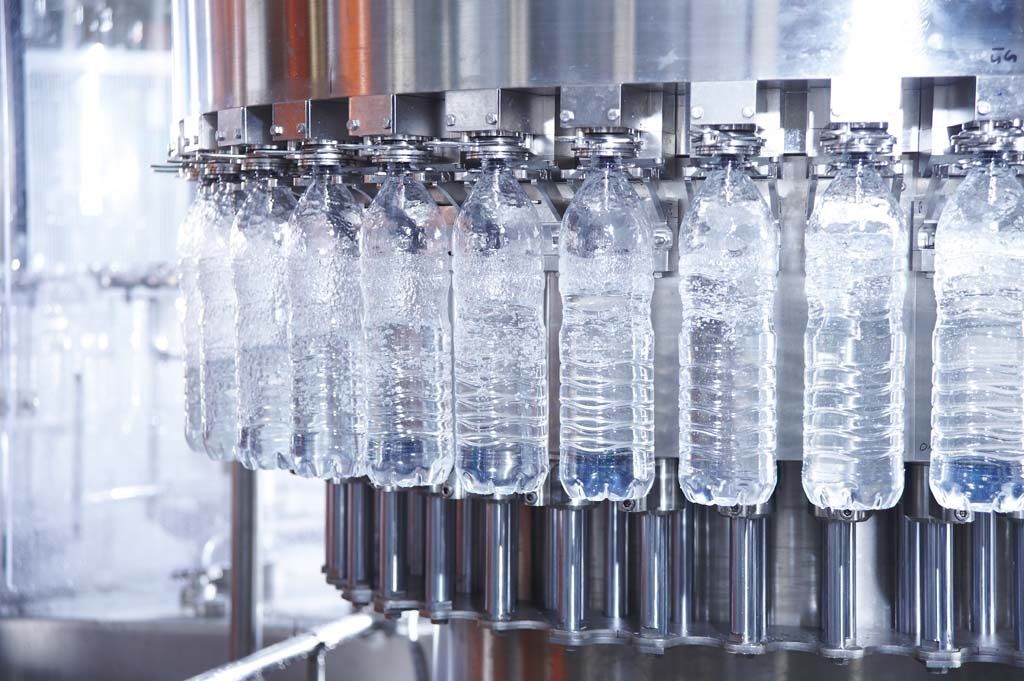 At their core, these machines integrate mechanical components, sensors, and fluid-handling technology to transfer water from storage tanks into bottles. Depending on the setup, bottles may be filled using gravity flow, pressure-based systems, or vacuum-assisted methods. The entire process is designed to minimize human contact with water and containers, helping maintain hygiene throughout production.
Importance
Water bottle filling machines matter because they directly affect public health, operational efficiency, and environmental management. They are used by water processing facilities, beverage plants, and packaging units that supply drinking water to households, offices, events, and institutions. The quality and consistency of bottled water depend heavily on how accurately and hygienically it is filled.
Key reasons this topic is important include:
-
Health protection: Controlled filling reduces exposure to contaminants.
-
Consistency: Uniform fill levels support packaging standards and reduce waste.
-
Scalability: Machines enable continuous output to meet large demand.
-
Resource efficiency: Automated systems reduce spillage and optimize water usage.
For consumers, these machines indirectly influence trust in packaged water. For operators and regulators, they provide a measurable way to maintain quality benchmarks and traceability.
Recent Updates
In the recent period, water bottle filling machines have seen gradual improvements rather than dramatic shifts. One notable trend is the increased use of automation and digital monitoring. Modern systems now include touch-based control panels, real-time flow measurement, and automatic fault detection. These features help maintain accuracy and reduce downtime.
Another development is the wider adoption of hygienic design principles. Smooth stainless-steel surfaces, fewer joints, and easy-to-clean components are now common. There is also growing attention to energy efficiency, with optimized motors and smarter pump control reducing unnecessary power use.
Sustainability considerations have also influenced machine design. Many newer systems are compatible with lightweight bottles and support lower water loss during rinsing and filling stages. While the fundamental purpose of filling machines remains unchanged, these incremental updates improve reliability, safety, and efficiency.
Laws or Policies
Water bottle filling machines operate within a framework of food safety and industrial regulations. In many countries, packaged drinking water is classified as a food product, which means filling equipment must comply with food-grade standards. These rules typically focus on materials, hygiene, and process control.
Common regulatory themes include:
-
Food-contact materials: Parts that touch water must be non-reactive and safe.
-
Sanitation requirements: Equipment must allow effective cleaning and disinfection.
-
Quality monitoring: Filling accuracy and water integrity must be measurable.
-
Workplace safety: Machines must include safeguards for operators.
Government programs related to safe drinking water and quality certification often influence how filling machines are designed and operated. Compliance is usually verified through inspections, documentation, and routine testing, ensuring that machinery supports public health goals.
Tools and Resources
Understanding and managing water bottle filling machines is supported by a range of technical tools and reference resources. These do not promote transactions but help improve knowledge, monitoring, and compliance.
Helpful tools and resources include:
-
Flow measurement dashboards: Display real-time fill volumes and deviations.
-
Maintenance scheduling software: Helps track cleaning and inspection cycles.
-
Quality check templates: Standardized forms for recording fill accuracy and hygiene checks.
-
Process diagrams: Visual guides showing water movement from tank to bottle.
-
Operator manuals: Detailed explanations of machine components and controls.
These resources support better decision-making and help maintain consistent performance without relying on guesswork.
Key Components Overview
Water bottle filling machines are made up of several interrelated parts. Understanding these components helps explain how the system functions as a whole.
| Component | Purpose | Key Characteristic |
|---|---|---|
| Infeed system | Positions empty bottles | Smooth, continuous movement |
| Filling valves | Control water flow | Precise volume regulation |
| Pumps or gravity feed | Move water into bottles | Stable pressure |
| Sensors | Detect bottle presence and fill level | High accuracy |
| Control panel | Manages operations | Programmable settings |
| Outfeed system | Transfers filled bottles | Reduced spillage |
Each component plays a specific role, and overall performance depends on how well they work together.
Process Explanation
The filling process follows a logical sequence designed to ensure cleanliness and consistency. While layouts vary, the basic steps are similar across systems.
-
Bottles are guided into position using a conveyor or rotary table.
-
Sensors confirm correct alignment and readiness.
-
Water flows into the bottle through controlled valves.
-
Filling stops automatically at a preset level.
-
Bottles move onward for sealing and labeling.
This structured flow reduces variation and allows continuous operation with minimal interruption.
Performance Comparison Table
Different filling principles are used depending on production needs. The table below summarizes general characteristics without favoring any option.
| Filling Principle | Typical Use | Operational Focus |
|---|---|---|
| Gravity-based | Low to medium speed lines | Simplicity and reliability |
| Pressure-based | High-speed operations | Faster throughput |
| Vacuum-assisted | Lightweight containers | Gentle handling |
FAQs
What is the main function of a water bottle filling machine?
Its primary function is to fill bottles with treated water in a controlled, hygienic, and repeatable way, ensuring consistent volume and quality.
How do these machines maintain hygiene?
They use food-grade materials, enclosed filling zones, and designs that allow regular cleaning and sanitation, reducing contamination risks.
Are filling machines fully automated?
Some systems operate with high automation, while others combine automated filling with manual supervision. Automation level depends on scale and design.
What factors influence filling accuracy?
Valve precision, sensor calibration, water pressure stability, and proper bottle positioning all affect accuracy.
Can one machine handle different bottle sizes?
Many machines are adjustable to accommodate various bottle shapes and volumes, using changeable guides and programmable settings.
Conclusion
Water bottle filling machines are a foundational part of modern packaged water distribution. They exist to ensure that water is transferred into bottles safely, accurately, and efficiently. Their importance extends beyond industrial efficiency to public health, environmental responsibility, and regulatory compliance.
Recent improvements focus on better control, hygiene, and resource efficiency rather than radical changes. Laws and policies reinforce the need for safe materials and measurable quality, shaping how these machines are designed and operated. By understanding their components, processes, and supporting tools, readers gain a clear picture of how water bottle filling machines contribute to reliable access to packaged drinking water.

