Explore Water Purification Systems: Overview, Insights, Tips, and Essential Knowledge
Water purification systems are technologies designed to remove contaminants, chemicals, microorganisms, and unwanted particles from water to make it safe for drinking and everyday use. These systems exist because natural water sources such as rivers, lakes, groundwater, and municipal supplies may contain impurities including bacteria, viruses, heavy metals, pesticides, and dissolved salts.
Modern water treatment solutions range from simple filtration units to advanced systems such as reverse osmosis systems, UV water purifiers, activated carbon filters, and whole house water filtration systems. Each technology addresses specific water quality concerns based on local environmental conditions.
As awareness of drinking water quality increases globally, more households, institutions, and industries are focusing on reliable water purification technology to ensure long-term health and safety.
Why Water Purification Systems Matter Today
Access to safe drinking water directly impacts public health, productivity, and environmental sustainability. Even treated municipal water may contain residual chlorine, trace contaminants, or microplastics. In some regions, groundwater contains high levels of total dissolved solids (TDS), fluoride, arsenic, or iron.
Water purification systems help address:
- Water contamination from industrial discharge
- Hard water issues caused by calcium and magnesium
- Biological contamination such as bacteria and viruses
- Chemical pollutants including pesticides and heavy metals
- Unpleasant taste, odor, and discoloration
These systems affect:
- Households relying on borewell or municipal water
- Rural communities with untreated water sources
- Schools, hospitals, and workplaces
- Food processing and healthcare sectors
The use of home water filtration systems also reduces dependence on bottled water, which contributes to plastic waste and environmental strain.
Common Types of Water Purification Systems
Reverse Osmosis System
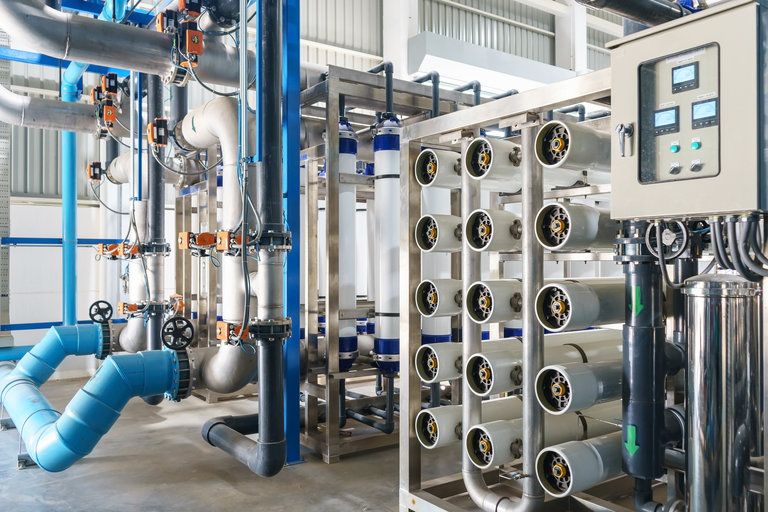
Reverse osmosis (RO) uses a semi-permeable membrane to remove dissolved salts, heavy metals, and microscopic impurities. It is commonly used in areas with high TDS levels. RO water purifiers are widely installed under kitchen sinks and in commercial setups.
UV Water Purifier
Ultraviolet purification uses UV light to deactivate bacteria and viruses. It does not remove dissolved solids but is effective for microbiological safety.
Activated Carbon Filter
Activated carbon water filters absorb chlorine, organic chemicals, and odors. They are often combined with other purification stages for comprehensive filtration.
Whole House Water Filtration System
These systems treat water at the entry point of a home, ensuring clean water for drinking, bathing, and appliances.
Recent Developments in Water Purification Technology
Over the past year, several trends have shaped the water purification industry:
Smart Water Purifiers
Many manufacturers introduced IoT-enabled systems with digital monitoring, real-time TDS indicators, and filter life alerts.
Improved Membrane Efficiency
Advancements in RO membrane technology have focused on reducing water wastage and improving energy efficiency.
Focus on Microplastic Filtration
Research has increasingly addressed microplastic contamination, leading to enhanced multi-stage filtration systems.
Sustainable Filtration Materials
New eco-friendly filter media are being developed to reduce environmental impact and improve recyclability.
Stricter Water Quality Testing Standards
Several regions have strengthened drinking water quality monitoring guidelines, increasing public awareness of certified purification systems.
Laws and Government Policies Affecting Water Purification
Water purification systems are influenced by national water safety regulations and public health standards.
In India, the Bureau of Indian Standards sets drinking water quality parameters under IS 10500. These standards define acceptable limits for TDS, fluoride, arsenic, and other contaminants.
The Central Pollution Control Board monitors water pollution and industrial discharge regulations to protect natural water sources.
The Ministry of Jal Shakti oversees national water policies and safe drinking water initiatives, including rural water access programs.
Globally, the World Health Organization provides international drinking water quality guidelines used as benchmarks by many countries.
Compliance with these standards ensures that water purification systems meet established safety benchmarks without misleading health claims.
Key Water Quality Parameters
Understanding water testing results helps in selecting appropriate purification methods.
| Parameter | What It Indicates | Common Treatment |
|---|---|---|
| TDS (Total Dissolved Solids) | Dissolved salts and minerals | Reverse osmosis |
| Hardness | Calcium and magnesium content | Water softener |
| Chlorine | Disinfection residue | Activated carbon |
| Bacteria & Viruses | Biological contamination | UV purification |
| Arsenic/Fluoride | Toxic heavy metals | RO with specialized filters |
Tools and Resources for Water Quality Assessment
Several tools and resources help individuals understand water purification needs:
- Digital TDS meter for quick water testing
- Government water quality testing laboratories
- BIS drinking water standards handbook
- WHO water quality guideline documents
- Municipal water quality reports
- Household water filtration comparison charts
- Water consumption calculators for estimating daily usage
Mobile-based water quality monitoring applications are also emerging, enabling users to track filter performance and purification efficiency.
Maintenance and Practical Tips
Proper maintenance ensures consistent purification performance.
- Replace filters as recommended by manufacturer guidelines
- Monitor TDS levels regularly if using RO systems
- Clean storage tanks periodically
- Avoid installing purification systems without prior water testing
- Ensure proper electrical grounding for UV water purifiers
Regular maintenance improves lifespan and maintains water safety standards.
Environmental Considerations
Water purification technology must balance safety with sustainability.
RO systems can discharge wastewater during purification. Recent innovations aim to reduce reject water ratios. Using rejected water for cleaning purposes can minimize waste.
Choosing energy-efficient models reduces electricity consumption. Long-lasting filter cartridges also decrease environmental impact.
Frequently Asked Questions
What is the difference between RO and UV water purifiers?
RO systems remove dissolved solids, heavy metals, and salts using a membrane. UV purifiers deactivate microorganisms but do not remove dissolved impurities. The choice depends on water quality parameters.
Is a whole house water filtration system necessary?
It is beneficial in areas with hard water or high sediment levels. It protects plumbing, appliances, and ensures cleaner water throughout the home.
How often should filters be replaced?
Replacement frequency depends on usage and water quality. Most systems require filter replacement every few months, but monitoring TDS and manufacturer recommendations provides accurate guidance.
Can water purification remove all contaminants?
No single system removes every type of impurity. Multi-stage water filtration systems combine RO, UV, and carbon filtration for broader protection.
Is purified water safe for daily consumption?
When systems meet established water quality standards and are properly maintained, purified water is considered safe for routine use.
Broader Public Health Impact
Improved access to safe drinking water reduces the risk of waterborne diseases such as diarrhea, cholera, and typhoid. Clean water also supports better nutrition and hygiene practices.
In rural areas, community-level purification plants help reduce contamination risks from untreated groundwater. Urban households benefit from point-of-use filtration systems to supplement municipal supply.
Public awareness campaigns continue to emphasize safe water storage, hygiene practices, and regular water testing.
Technological Comparison Overview
| Technology | Removes Dissolved Solids | Kills Bacteria | Improves Taste | Suitable for High TDS |
|---|---|---|---|---|
| Reverse Osmosis | Yes | Partially (with membrane) | Yes | Yes |
| UV Purification | No | Yes | No | No |
| Activated Carbon | No | No | Yes | No |
| Multi-Stage System | Yes | Yes | Yes | Yes |
Conclusion
Water purification systems play a crucial role in ensuring safe drinking water in homes and communities. From reverse osmosis systems to UV water purifiers and whole house water filtration systems, each technology serves a specific purpose based on water quality conditions.
Understanding water contamination risks, regulatory standards, and purification methods helps individuals make informed decisions. Regular maintenance, proper water testing, and adherence to public health guidelines ensure long-term effectiveness.
As technology evolves and water quality challenges continue to emerge, water purification systems remain an essential component of modern infrastructure, supporting public health, environmental sustainability, and improved quality of life.