Exploring AI-Driven Manufacturing: Insights, Facts and Emerging Trends
AI-driven manufacturing refers to the use of artificial intelligence technologies such as machine learning, computer vision, predictive analytics, and intelligent automation within industrial production environments. The concept exists to help manufacturers analyze large volumes of operational data, improve decision-making, and reduce inefficiencies across production systems.
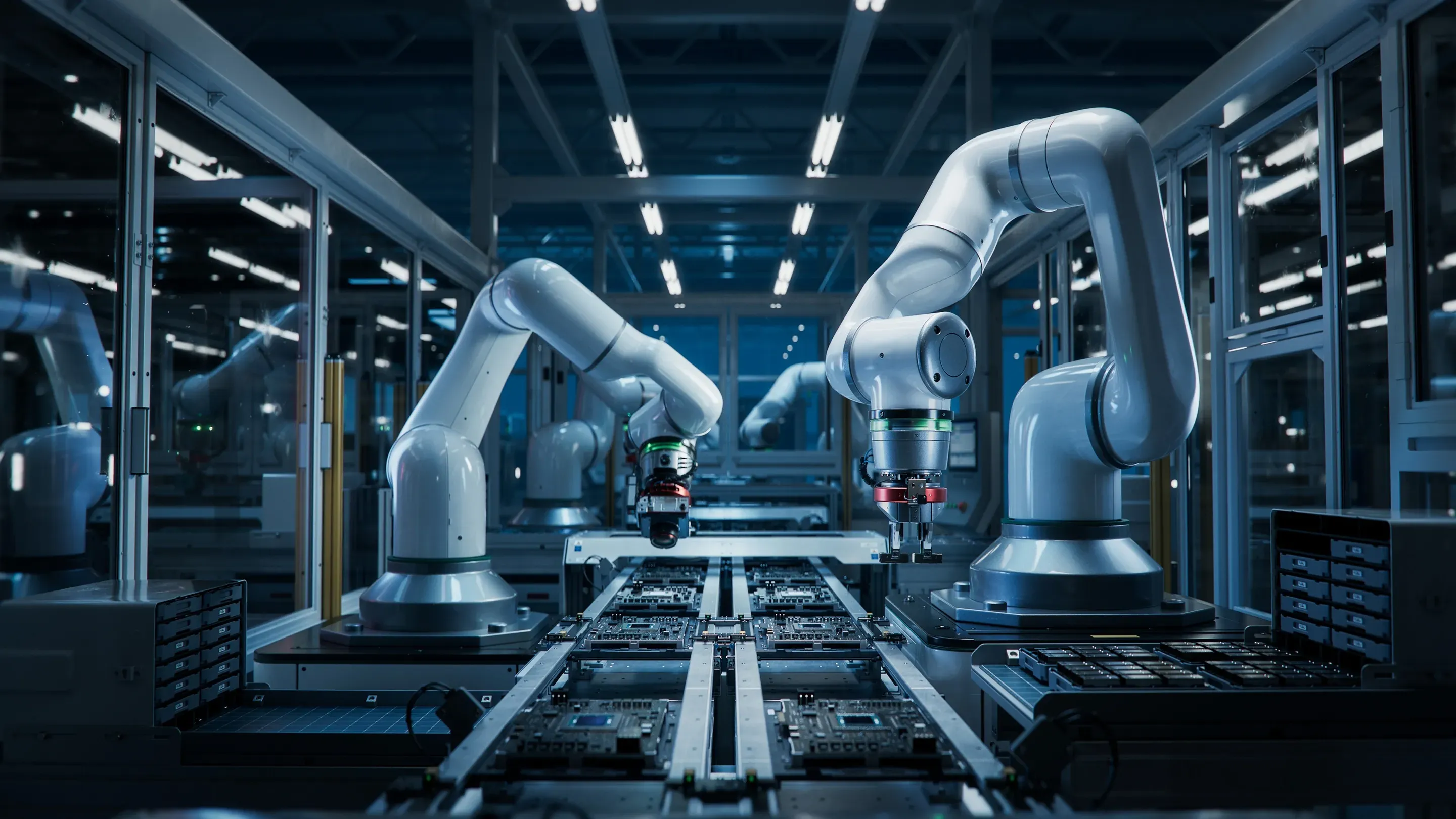
Traditional manufacturing relies heavily on manual supervision and rule-based automation. As factories generate increasing amounts of sensor data, production logs, and machine performance metrics, conventional methods struggle to process this information effectively. AI systems were introduced to interpret complex data patterns and support adaptive manufacturing processes that can respond to real-time conditions.
AI-driven manufacturing is often associated with smart factories, digital manufacturing platforms, and industrial data analytics. These approaches focus on optimizing workflows, improving product consistency, and enhancing overall operational visibility without requiring constant human intervention.
Importance: Why AI-Driven Manufacturing Matters Today
AI-driven manufacturing has become important due to rising production complexity, global supply chain uncertainty, and increasing expectations for quality and efficiency. Manufacturers across sectors such as automotive, electronics, pharmaceuticals, and heavy equipment are affected by these challenges.
This topic matters because AI technologies address several persistent manufacturing problems, including unplanned downtime, inconsistent quality, excessive waste, and limited forecasting accuracy. By analyzing historical and real-time data, AI systems help identify patterns that are difficult for humans to detect manually.
Key groups affected include factory operators, engineers, supply chain planners, quality control teams, and policymakers responsible for industrial development. AI-driven manufacturing also influences workforce skill requirements, encouraging greater demand for data literacy and technical training.
Problems commonly addressed by AI-enabled manufacturing systems include:
-
Equipment failures detected too late
-
Inefficient use of raw materials
-
Production bottlenecks
-
Limited visibility into process performance
-
Delayed response to demand fluctuations
Recent Updates: Key Developments and Emerging Trends
Recent developments in AI-driven manufacturing highlight a shift from experimental adoption to broader operational use. Many manufacturers have moved from isolated pilot projects to integrated AI systems embedded across production lines.
One notable trend is the increased use of predictive maintenance models. These systems analyze machine vibration, temperature, and usage data to anticipate failures before they occur. Another emerging area is AI-powered quality inspection using computer vision to detect defects with higher consistency than manual checks.
Edge AI has also gained attention, enabling data processing directly on factory equipment rather than relying solely on centralized servers. This reduces latency and supports faster decision-making in time-sensitive manufacturing environments.
Another development involves the integration of AI with digital twins. Digital replicas of physical production systems allow manufacturers to simulate changes, test scenarios, and improve process design without disrupting actual operations.
Laws or Policies: Regulatory and Policy Considerations
AI-driven manufacturing is influenced by a range of industrial, data protection, and technology governance policies. Governments in many countries have introduced frameworks to support responsible AI adoption while ensuring data security and workplace safety.
Manufacturing organizations must comply with data protection rules that govern how production data and employee information are collected and processed. AI systems used for monitoring or decision-making may also be subject to transparency and accountability requirements.
Industrial safety regulations remain central, particularly when AI systems interact with physical machinery and human workers. Policies often emphasize human oversight, risk assessment, and system validation to prevent unsafe automation outcomes.
In some regions, national manufacturing strategies and innovation programs encourage the adoption of advanced manufacturing technologies, including AI, to improve productivity and global competitiveness.
Tools and Resources: Practical Support for AI-Driven Manufacturing
Several categories of tools and resources support the adoption and understanding of AI-driven manufacturing. These tools focus on data analysis, system integration, and operational monitoring rather than commercial transactions.
Commonly used resources include:
-
Industrial AI platforms for manufacturing analytics
-
Predictive maintenance software environments
-
Computer vision systems for quality inspection
-
Digital twin modeling tools
-
Manufacturing execution systems enhanced with AI
-
Data visualization dashboards for production insights
-
AI readiness assessment frameworks
-
Workforce training programs focused on industrial AI literacy
Example Tool Categories and Functions
| Tool Category | Primary Function | Typical Use Case |
|---|---|---|
| Predictive Analytics | Failure forecasting | Equipment health monitoring |
| Computer Vision | Visual inspection | Defect detection |
| Digital Twins | Process simulation | Production optimization |
| Edge AI Systems | Real-time processing | Low-latency decisions |
| Data Dashboards | Performance tracking | Operational visibility |
FAQs: Common Questions About AI-Driven Manufacturing
What types of AI are used in manufacturing?
Manufacturing commonly uses machine learning, deep learning, computer vision, natural language processing for documentation, and optimization algorithms for scheduling and resource planning.
Does AI replace human workers in factories?
AI primarily supports human decision-making rather than replacing workers entirely. Most systems are designed to assist operators, improve safety, and reduce repetitive tasks while maintaining human oversight.
How does AI improve product quality?
AI improves quality by analyzing production data and visual inputs to identify defects, variations, or process deviations earlier than traditional inspection methods.
Is AI-driven manufacturing only for large factories?
While larger manufacturers often adopt AI earlier, scalable AI tools and modular systems are increasingly accessible to mid-sized and smaller manufacturing operations.
What data is required for AI-driven manufacturing?
Typical data includes machine sensor readings, production logs, maintenance records, quality inspection results, and supply chain information.
Conclusion
AI-driven manufacturing represents a significant evolution in how industrial systems operate and adapt. By combining artificial intelligence with manufacturing expertise, organizations can gain deeper insights into production processes and improve operational resilience.
The growing use of predictive analytics, computer vision, and digital twins demonstrates how AI is becoming embedded in everyday manufacturing activities. At the same time, regulatory frameworks and safety standards play an important role in guiding responsible adoption.
As manufacturing environments continue to generate complex data, AI-driven approaches are likely to remain central to improving efficiency, quality, and transparency. Understanding the fundamentals, tools, and implications of AI-driven manufacturing helps stakeholders make informed decisions in an increasingly data-driven industrial landscape.

