Exploring Car Diagnostic Scanners: Knowledge, Uses, and Modern Automotive Information
Car diagnostic scanners are electronic tools designed to communicate with a vehicle’s onboard computer system. Modern vehicles contain multiple control units that monitor engine performance, emissions, safety systems, and comfort features. When a problem occurs, these systems record fault codes and performance data. Diagnostic scanners exist to read, interpret, and clear this information in a structured way.
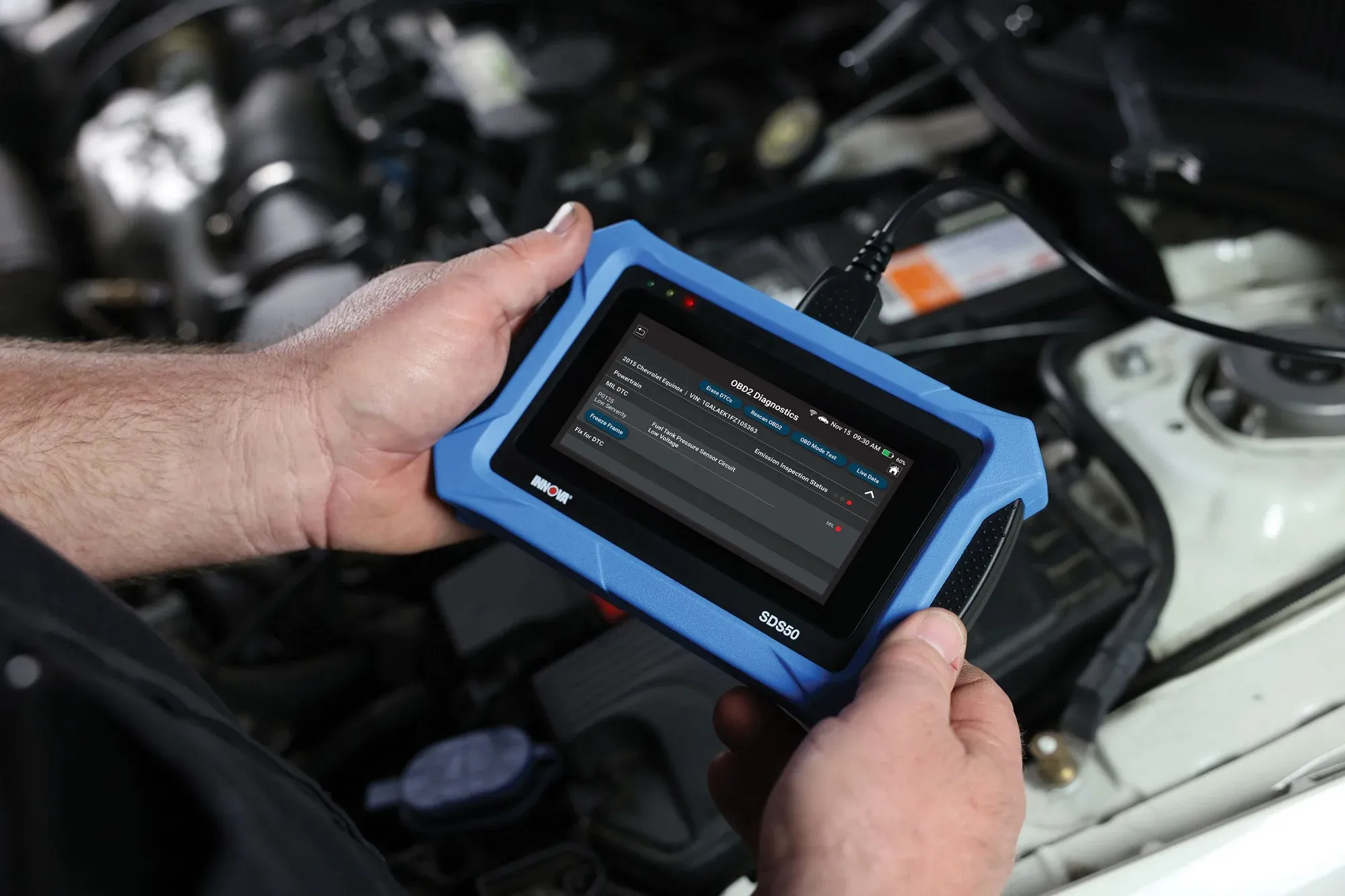 The development of diagnostic scanners followed the rise of computerized vehicles. As mechanical systems became electronically controlled, traditional inspection methods were no longer sufficient. Scanners provided a standardized method to access vehicle data through diagnostic ports, helping users understand what the vehicle is reporting internally.
Today, these tools range from basic code readers to advanced diagnostic platforms capable of live data monitoring, system calibration, and software-level insights. Their role is informational, focusing on visibility into vehicle health rather than physical repair.
Importance
Car diagnostic scanners matter because vehicles have become complex digital machines. Sensors, control modules, and software-driven decisions influence everything from fuel efficiency to braking response. Without a diagnostic interface, identifying issues would rely on guesswork.
This topic affects a wide audience:
-
Vehicle owners seeking clarity about warning lights
-
Automotive technicians interpreting system behavior
-
Fleet managers monitoring multiple vehicles
-
Training institutes teaching modern automotive technology
Key problems this technology addresses include:
-
Unclear dashboard warning indicators
-
Difficulty identifying root causes of performance issues
-
Delays in understanding emission-related alerts
-
Lack of standardized vehicle health information
By converting raw system signals into readable data, diagnostic scanners reduce uncertainty and improve decision-making related to vehicle maintenance planning and compliance.
Recent Updates
In recent months, car diagnostic scanners have evolved alongside connected vehicle technologies. Many newer scanners emphasize wireless connectivity, allowing data transfer through mobile devices and cloud-based dashboards. This trend reflects the broader movement toward software-defined vehicles.
Another noticeable update is the expansion of supported systems beyond engines and transmissions. Recent scanner models increasingly focus on:
-
Advanced driver assistance systems (ADAS)
-
Battery management data in electric vehicles
-
Hybrid system performance metrics
-
Predictive maintenance indicators
There has also been a shift toward user-friendly interfaces. Touchscreen displays, guided diagnostic workflows, and simplified fault explanations are becoming more common, making technical data easier to understand for non-specialists.
Laws or Policies
Car diagnostic scanners are influenced by vehicle regulations and automotive data policies in many countries, including India. Emission standards require vehicles to monitor and report emission-related faults through onboard diagnostics. Diagnostic access ensures that vehicles remain compliant with pollution control requirements.
Government rules related to vehicle inspection and certification rely on standardized diagnostic outputs. These rules ensure that:
-
Emission-related fault codes are detectable
-
Tampering with diagnostic systems is restricted
-
Vehicle data formats follow accepted technical standards
In some regions, policies also address data access rights. These rules aim to balance vehicle owner access to diagnostic information with cybersecurity and data privacy concerns, especially as vehicles become more connected.
Tools and Resources
Several tools and resources support learning and understanding car diagnostic scanners without focusing on transactions.
Helpful digital resources include:
-
Mobile applications that display diagnostic data
-
Automotive diagnostic software platforms
-
Technical documentation readers for fault code definitions
-
Training simulators for vehicle electronics
Educational resources often include:
-
Diagnostic flowchart templates
-
Vehicle system overview diagrams
-
Fault code reference tables
-
Sensor data interpretation guides
These resources help users translate scanner outputs into meaningful insights, improving technical literacy around vehicle systems.
Common Diagnostic Data Types Explained
Understanding scanner outputs becomes easier when data categories are clearly defined.
Typical diagnostic data includes:
-
Fault codes indicating detected anomalies
-
Live sensor readings such as temperature or pressure
-
System readiness status for emission monitoring
-
Freeze-frame data captured at fault detection
| Diagnostic Data Type | Description | Purpose |
|---|---|---|
| Fault Codes | Alphanumeric system alerts | Identify detected issues |
| Live Data | Real-time sensor values | Monitor system behavior |
| Readiness Status | Emission system checks | Regulatory compliance |
| Historical Data | Stored past events | Trend analysis |
This structured data approach allows consistent interpretation across different vehicle models.
Data Flow in Vehicle Diagnostics
Vehicle diagnostics follow a predictable information flow.
-
Sensors detect system conditions
-
Control units analyze sensor signals
-
Faults trigger internal records
-
Diagnostic scanners retrieve stored data
| Stage | Function | Outcome |
|---|---|---|
| Detection | Sensor monitoring | Data generation |
| Processing | Control unit analysis | Fault identification |
| Storage | System memory | Record preservation |
| Retrieval | Diagnostic scanning | User interpretation |
This flow explains why scanners are essential for accessing information that is otherwise hidden within vehicle systems.
FAQs
What is a car diagnostic scanner used for?
A car diagnostic scanner reads data from a vehicle’s onboard systems to identify faults, monitor performance, and understand warning indicators.
Do diagnostic scanners work on all vehicles?
Most scanners support standardized diagnostic protocols, but feature availability can vary depending on vehicle technology and system complexity.
Can diagnostic scanners show real-time vehicle data?
Yes, many scanners provide live data streams such as engine temperature, sensor voltage, and system status information.
Are diagnostic scanners useful for electric vehicles?
Yes, modern scanners increasingly support electric vehicle systems, including battery performance and power management data.
Do scanners fix vehicle problems directly?
No, scanners provide information and insights. They do not perform physical repairs or component replacements.
Conclusion
Car diagnostic scanners play a critical role in understanding modern vehicles. As automotive systems rely more on software, sensors, and electronic control units, access to accurate diagnostic data becomes essential. These tools transform complex system signals into readable information that supports transparency and informed decision-making.
By offering structured insights into vehicle health, diagnostic scanners bridge the gap between advanced automotive technology and everyday understanding. Their continued evolution reflects the broader shift toward data-driven mobility and smarter vehicle management.

