Exploring Electric Aircraft Technology: Principles, Systems, and Technical Details
Electric aircraft technology refers to the use of electric propulsion systems to generate thrust for flight, replacing or supplementing conventional fuel-based engines. These aircraft rely on electric motors powered by onboard energy sources such as batteries, fuel cells, or hybrid power systems.
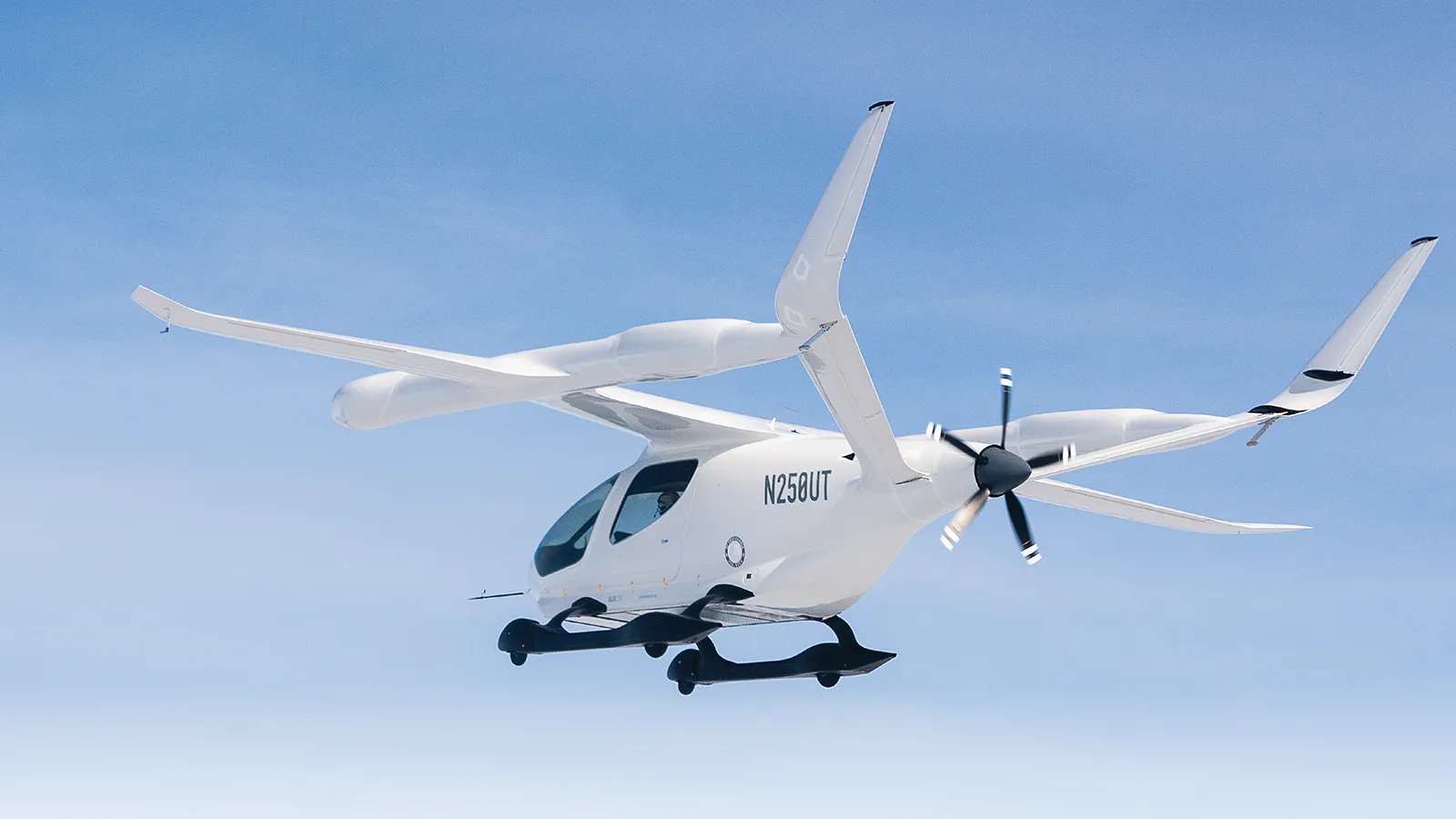
The concept exists to address long-standing challenges in aviation, including high fuel consumption, operational emissions, aircraft noise, and mechanical complexity. Advances in power electronics, energy storage systems, and lightweight materials have made electric propulsion increasingly viable for small aircraft, training planes, and short-range air mobility platforms.
Electric aviation does not aim to replace all conventional aircraft immediately. Instead, it focuses on specific use cases where electric propulsion can deliver efficiency, reliability, and reduced environmental impact while maintaining aviation safety standards.
Importance: Why Electric Aircraft Technology Matters Today
Electric aircraft technology matters because aviation is under growing pressure to reduce emissions, improve energy efficiency, and modernize propulsion systems. Electric propulsion offers an alternative pathway that complements sustainable aviation fuels and aerodynamic improvements.
This technology affects multiple groups, including aircraft manufacturers, flight training institutions, aviation regulators, airport operators, and future pilots. It also has implications for communities near airports, where noise reduction is a key concern.
Key problems electric aircraft technology aims to solve include:
-
Dependence on fossil fuels in aviation
-
High maintenance complexity of combustion engines
-
Noise pollution around airports and flight corridors
-
Rising operational emissions from short-haul flights
By shifting propulsion from combustion to electric motors, aircraft systems become mechanically simpler, quieter, and potentially more energy efficient in specific flight profiles.
Core Principles and System Architecture
Electric aircraft are built around several interdependent technical systems that work together to produce safe and controlled flight.
Electric propulsion system components include:
-
Electric motors converting electrical energy into thrust
-
Power electronics managing voltage, current, and motor control
-
Energy storage systems supplying onboard electrical power
-
Thermal management systems maintaining safe operating temperatures
-
Redundant safety and monitoring systems
Unlike combustion engines, electric motors deliver instant torque, allowing smoother acceleration and more precise thrust control. This characteristic is especially useful during takeoff and climb phases.
Technical Systems in Electric Aircraft
Energy Storage Systems
Most current electric aircraft rely on high-energy-density aviation battery systems. These batteries are designed for rapid discharge, thermal stability, and structural integration into the airframe.
Power Management and Distribution
Advanced power distribution units regulate electricity flow between batteries, motors, avionics, and auxiliary systems. These units ensure redundancy and fault isolation.
Electric Motors
Aviation-grade electric motors are compact, lightweight, and optimized for continuous operation. They often feature fewer moving parts than traditional engines, reducing mechanical wear.
Thermal Control Systems
Electric propulsion generates heat in batteries, motors, and power electronics. Liquid or air-based cooling systems are used to maintain operational safety.
Comparison of Conventional and Electric Aircraft Systems
| Feature | Conventional Aircraft | Electric Aircraft |
|---|---|---|
| Primary energy source | Aviation fuel | Electrical energy |
| Propulsion type | Combustion engine | Electric motor |
| Noise output | High during takeoff | Significantly reduced |
| Mechanical complexity | High | Lower |
| Maintenance profile | Fuel and engine intensive | Electrical system focused |
Recent Updates and Technology Trends
Electric aircraft development has accelerated due to improvements in battery chemistry, digital flight control systems, and certification frameworks. Recent developments include expanded testing of hybrid-electric propulsion and increased use of distributed electric propulsion architectures.
Notable trends observed over the past twelve months include:
-
Higher energy density aviation battery prototypes
-
Increased focus on short-range regional electric aircraft
-
Enhanced simulation tools for electric flight testing
-
Broader flight test programs for electric trainer aircraft
Research efforts are also exploring hydrogen-electric systems, which use fuel cells to generate electricity onboard, extending potential flight range without combustion.
Regulatory Environment and Policy Influence
Electric aircraft technology is strongly shaped by aviation regulations and government policy frameworks. Certification standards require electric propulsion systems to meet the same safety and reliability thresholds as traditional engines.
Key regulatory considerations include:
-
Airworthiness certification for electric propulsion
-
Battery safety and thermal runaway prevention rules
-
Electromagnetic compatibility requirements
-
Emergency power and redundancy standards
Many national aviation authorities support electric aviation through research grants, testing corridors, and updated certification pathways. These initiatives aim to encourage innovation while maintaining strict safety oversight.
Tools and Resources Supporting Electric Aviation
A range of technical tools and resources support research, design, and evaluation of electric aircraft systems.
Commonly used resources include:
-
Electric aircraft performance calculators
-
Battery degradation modeling tools
-
Flight simulation software for electric propulsion
-
Power-to-weight analysis templates
-
Aviation energy efficiency assessment frameworks
These tools help engineers, researchers, and aviation planners evaluate feasibility, safety margins, and operational limits without physical flight testing.
Common Technical Questions and Clear Answers
What limits the range of electric aircraft?
Range is primarily limited by the energy density of current battery systems compared to liquid fuels. Weight and thermal constraints also play a role.
Are electric aircraft safe for flight training?
Electric aircraft are designed with redundant systems, continuous monitoring, and simplified propulsion mechanics, making them suitable for structured training environments.
How does electric propulsion affect aircraft maintenance?
Electric motors have fewer moving parts, which reduces mechanical wear and simplifies routine maintenance procedures.
Can electric aircraft operate from existing airports?
Most electric aircraft are compatible with current airport infrastructure, though specialized charging systems may be required.
Is electric aviation limited to small aircraft?
Current technology is best suited for small and short-range aircraft, but ongoing research is expanding scalability options.
System Performance Overview
| System Area | Performance Characteristic |
|---|---|
| Motor efficiency | High torque with minimal losses |
| Energy usage | Predictable and measurable |
| Noise profile | Reduced acoustic footprint |
| System monitoring | Real-time digital diagnostics |
Conclusion
Electric aircraft technology represents a significant shift in how aircraft propulsion systems are designed and operated. By replacing combustion engines with electric motors, this technology addresses efficiency, noise, and system complexity challenges while opening new pathways for sustainable aviation development.
Although current limitations exist in energy storage and range, continued progress in electric propulsion systems, power electronics, and regulatory frameworks is steadily expanding real-world applications. Electric aircraft are not a replacement for all aviation needs, but they are becoming a practical solution for specific segments of the aviation ecosystem.
As research and certification efforts continue, electric aircraft technology is positioned to play an increasingly important role in the future of aviation.

