Exploring Hotel Interior Ambience Planning: Facts, Tips, and Suggestions
Hotel interior ambience planning refers to the thoughtful arrangement of space, lighting, colors, textures, acoustics, and furnishings to shape how guests perceive and experience a hotel environment. It exists to create a balanced atmosphere that feels comfortable, functional, and emotionally engaging for a wide range of visitors. Rather than focusing only on appearance, ambience planning considers how people move through spaces, how long they stay, and how the surroundings influence mood, rest, and social interaction.
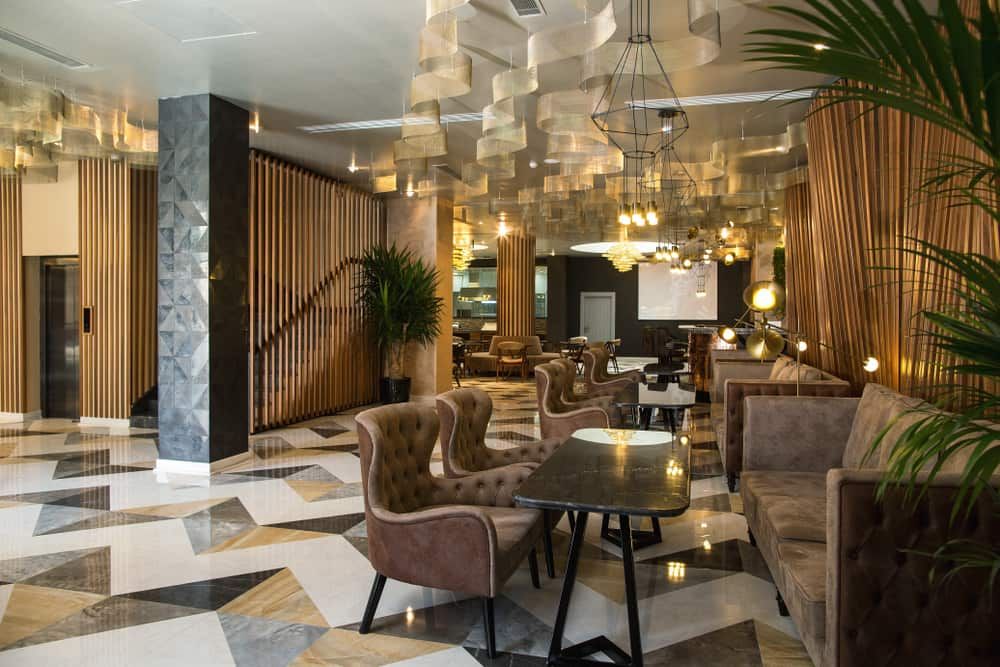
In modern hospitality environments, interior ambience planning acts as a bridge between architecture and human behavior. It aligns visual elements with practical needs such as navigation, privacy, and safety. This planning discipline also supports consistency across guest rooms, lobbies, dining areas, and shared facilities, ensuring that the overall environment feels coherent rather than fragmented.
From a knowledge perspective, hotel interior ambience planning draws from interior design, environmental psychology, lighting science, and spatial planning. The goal is not decoration alone, but the creation of an atmosphere that supports rest, clarity, and ease of use.
Importance: Why Hotel Interior Ambience Planning Matters Today
Hotel interior ambience planning matters because guest expectations have become more experience-focused. Travelers today often evaluate accommodation not only by location or amenities, but by how the space feels during their stay. Ambience influences first impressions, comfort levels, and memory recall after departure.
This topic affects several groups:
-
Guests seeking calm, clarity, and comfort
-
Hotel operators managing diverse spaces and user needs
-
Designers and planners aiming for functional, people-centered interiors
-
Urban areas where hotels contribute to local identity
Well-planned ambience helps address common challenges such as visual clutter, noise disturbance, poor lighting balance, and inefficient space usage. It also supports accessibility by considering movement flow, contrast, and sensory comfort for people of different ages and abilities.
From a broader perspective, interior ambience planning contributes to longer stays, smoother operations, and reduced environmental strain through better use of lighting and materials. These outcomes are increasingly relevant as hospitality spaces adapt to mixed-use demands such as work-friendly lounges and quiet relaxation zones.
Recent Updates: Shifts and Developments in Ambience Planning
In recent months, hotel interior ambience planning has shown notable shifts driven by lifestyle changes and environmental awareness. Designers are placing greater emphasis on adaptable spaces that can transition between social and quiet use throughout the day. Soft zoning through lighting and furniture placement has gained attention, replacing rigid room divisions.
Another visible trend is the increased use of natural textures and muted color palettes. These elements support visual calm and reduce sensory overload. Reports released in early spring highlighted a growing preference for biophilic elements such as indoor greenery, natural light optimization, and organic material finishes.
Acoustic comfort has also become a central focus. Updates in planning practices now integrate sound-absorbing surfaces and layout strategies to minimize echo and background noise. This reflects feedback collected from guest experience surveys published toward the end of the previous quarter.
Technology integration has shifted subtly as well. Rather than visible screens, recent approaches favor concealed controls and ambient lighting systems that adjust automatically based on time of day, enhancing comfort without visual distraction.
Laws or Policies: Regulatory Influence on Hotel Interior Ambience
Hotel interior ambience planning is shaped by building codes, safety regulations, and accessibility policies set by national and regional authorities. These rules influence layout dimensions, lighting levels, material selection, and emergency signage placement.
Key regulatory considerations commonly include:
-
Fire safety standards affecting corridor width and material finishes
-
Accessibility guidelines requiring clear pathways, visual contrast, and tactile indicators
-
Energy efficiency rules influencing lighting design and climate control integration
In many countries, hospitality interiors must also align with environmental policies that encourage reduced energy consumption and responsible material sourcing. These policies indirectly shape ambience by promoting daylight usage, efficient lighting systems, and low-emission interior finishes.
Compliance with such frameworks ensures that ambience planning supports not only comfort but also public safety and environmental responsibility. Awareness of these rules is essential during early planning stages to avoid later adjustments that could disrupt visual harmony.
Tools and Resources: Practical Support for Ambience Planning
A range of digital and professional resources support hotel interior ambience planning by helping visualize, measure, and refine design choices. These tools focus on analysis rather than promotion, offering structured guidance.
Commonly used resources include:
-
Space planning software for layout visualization and movement flow analysis
-
Lighting simulation tools to test brightness, shadow, and color temperature
-
Acoustic assessment calculators for estimating sound absorption needs
-
Material libraries that categorize finishes by texture, reflectance, and durability
-
Interior planning templates for room zoning and furniture spacing
The table below outlines how different tools support ambience decisions:
| Tool Category | Primary Purpose | Planning Benefit |
|---|---|---|
| Space modeling | Visual layout testing | Improved circulation clarity |
| Lighting analysis | Day and night balance | Enhanced visual comfort |
| Acoustic tools | Noise level estimation | Reduced sound disturbance |
| Material databases | Finish comparison | Consistent tactile experience |
These resources help transform abstract ideas into measurable outcomes, supporting informed decision-making throughout the planning process.
FAQs: Common Questions About Hotel Interior Ambience Planning
What is the difference between interior design and ambience planning?
Interior design focuses on visual and functional elements, while ambience planning emphasizes how those elements influence mood, comfort, and behavior over time.
Does ambience planning apply only to luxury hotels?
No. Ambience planning principles apply to all hotel types, from small properties to large complexes, as they address basic human comfort and usability.
How does lighting affect hotel ambience?
Lighting shapes perception of space, influences relaxation levels, and supports orientation. Balanced lighting reduces eye strain and enhances spatial clarity.
Why is acoustics important in hotel interiors?
Sound control supports rest and privacy. Poor acoustics can disrupt sleep and concentration, affecting overall guest experience.
Can ambience planning support accessibility?
Yes. Thoughtful contrast, clear layouts, and sensory balance improve navigation and comfort for people with varied needs.
Conclusion: Bringing Balance and Function Together
Hotel interior ambience planning is a structured approach to shaping environments that feel intuitive, calm, and supportive. By combining spatial logic, sensory awareness, and regulatory understanding, it helps create interiors that serve both practical and emotional needs.
As hospitality spaces continue to adapt to changing lifestyles, ambience planning remains a relevant knowledge area for understanding how environments influence human experience. Its value lies in balance: between aesthetics and function, innovation and comfort, regulation and creativity.
Through informed planning, hotels can provide spaces that feel coherent, welcoming, and easy to navigate, supporting positive experiences without relying on excess or distraction.

