Exploring Industrial Power Systems: Detailed Overview, Core Components, Efficiency Tips, and System Insights
Industrial power systems form the backbone of modern manufacturing facilities, processing plants, and large commercial operations. These systems are designed to generate, distribute, and regulate electrical energy required to operate machinery, automation equipment, and facility infrastructure.
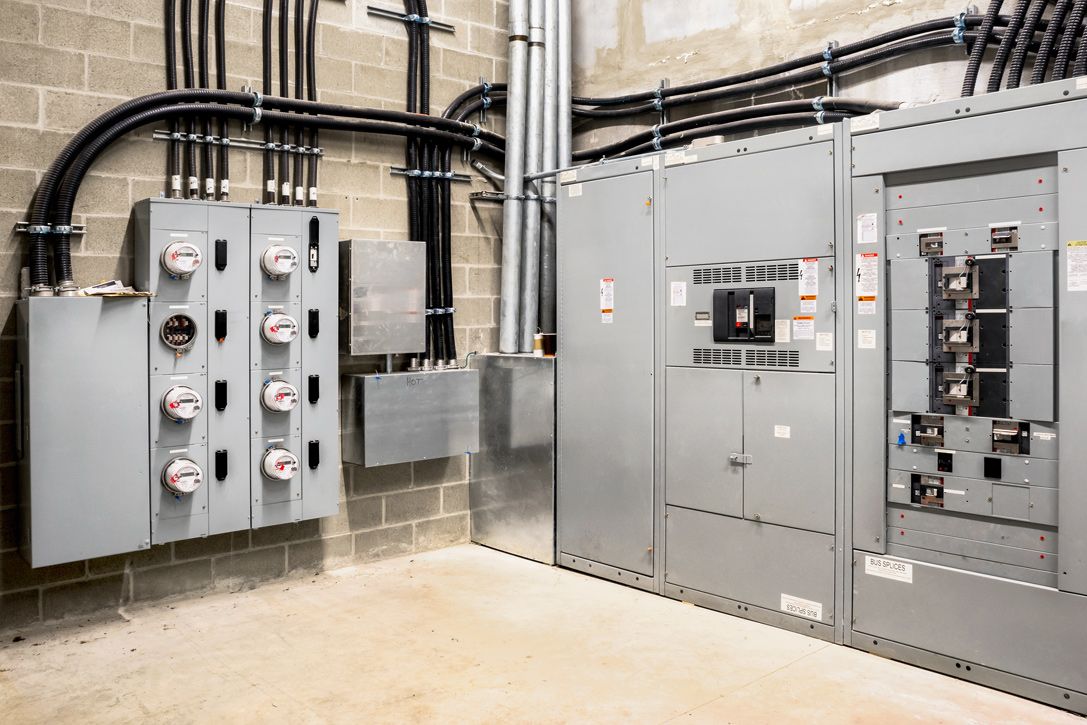
Unlike residential electrical networks, industrial electrical systems operate at larger capacities and require specialized infrastructure such as transformers, switchgear, and power distribution networks. These systems ensure reliable electricity flow to equipment ranging from heavy motors to industrial control panels.
Industries rely on stable electrical infrastructure because production lines, automated robotics, and monitoring systems require uninterrupted electrical power. When power systems function efficiently, organizations experience improved operational stability, optimized energy usage, and safer working environments.
Industrial power systems also integrate advanced monitoring technologies and power management strategies to maintain voltage stability, prevent overload conditions, and manage electrical demand effectively.
Understanding the Purpose and Structure of Industrial Power Systems
Industrial power systems exist to manage the generation, transformation, distribution, and control of electrical power within large facilities. The complexity of these systems grows with the size of the operation and the electrical load requirements of the machinery involved.
Typical industrial electrical infrastructure includes multiple layers of equipment that regulate electricity from the utility supply or on-site generation sources before it reaches individual machines.
Common core components include:
• Power transformers that adjust voltage levels
• Switchgear systems for circuit protection and control
• Electrical substations for power distribution
• Motor control centers (MCC) that regulate industrial motors
• Power monitoring systems used for electrical data analysis
These components collectively create a structured power distribution network that ensures stable electricity delivery throughout the facility.
The following table highlights typical elements found in an industrial electrical power system.
| Component | Primary Function | Typical Application |
|---|---|---|
| Power Transformer | Adjusts voltage levels for distribution | Industrial substations |
| Switchgear | Protects circuits and controls power flow | Manufacturing facilities |
| Motor Control Center | Controls multiple industrial motors | Production plants |
| Power Monitoring System | Tracks electrical usage and power quality | Energy management |
| Backup Generators | Provides electricity during outages | Critical infrastructure |
Each element contributes to maintaining power reliability and reducing electrical disturbances.
Why Industrial Power Systems Matter in Modern Infrastructure
Industrial power systems are essential for maintaining productivity and operational stability in sectors such as manufacturing, mining, food processing, pharmaceuticals, and heavy engineering.
Large facilities consume significant electrical energy to power motors, conveyor systems, heating equipment, and automated machinery. Without effective electrical infrastructure, voltage fluctuations, equipment failure, or unexpected downtime can disrupt operations.
Reliable industrial electrical systems address several important challenges:
• Maintaining consistent voltage and frequency levels
• Managing large electrical loads across multiple production lines
• Protecting equipment from short circuits or overload conditions
• Monitoring electrical performance to identify inefficiencies
Energy efficiency has also become an important focus area. Industrial electricity consumption represents a major portion of global energy demand. Improving power factor, reducing transmission losses, and optimizing electrical loads can significantly improve energy utilization.
The following chart illustrates common areas where energy losses may occur in industrial facilities.
| Energy Loss Area | Estimated Impact on Efficiency |
|---|---|
| Poor Power Factor | 5–15% efficiency loss |
| Transformer Losses | 2–5% energy loss |
| Motor Inefficiency | 10–20% potential loss |
| Poor Power Quality | Equipment wear and instability |
Addressing these issues through monitoring and system design helps industries maintain sustainable operations and reduce unnecessary electrical strain.
Recent Developments and Trends in Industrial Power Systems
Industrial electrical infrastructure continues to evolve as industries adopt digital monitoring technologies and intelligent power management systems.
In recent months, several trends have shaped the development of industrial power systems:
Digital power monitoring systems
Facilities increasingly use smart sensors and digital monitoring tools to track voltage stability, harmonic distortion, and load distribution across the network.
Industrial energy management platforms
Advanced analytics platforms analyze electrical data to identify inefficiencies and support energy optimization strategies.
Integration with renewable energy sources
Many industrial operations integrate solar generation systems and energy storage solutions into their electrical infrastructure to supplement traditional power supply.
Improved power quality monitoring
Monitoring equipment now provides detailed insights into electrical disturbances such as voltage sag, harmonics, and transient spikes that may affect sensitive equipment.
These developments highlight a broader shift toward intelligent industrial power management and data-driven electrical infrastructure.
Regulatory Framework and Electrical Compliance Considerations
Industrial power systems operate within regulatory frameworks designed to ensure electrical safety, energy efficiency, and infrastructure reliability. Governments and regulatory bodies establish electrical standards and operational guidelines for industrial facilities.
These regulations typically address:
• Electrical safety practices for industrial environments
• Equipment installation standards for transformers and switchgear
• Power quality requirements for grid stability
• Energy efficiency programs that encourage optimized electricity usage
Many countries also implement industrial energy efficiency initiatives to improve power consumption across large facilities. These programs often focus on:
• Improving power factor in industrial electrical systems
• Encouraging energy monitoring and reporting
• Supporting adoption of efficient industrial motors and transformers
Compliance with electrical codes and regulatory guidelines helps maintain safe operations while supporting long-term energy sustainability.
Tools and Resources for Industrial Power System Analysis
A variety of analytical tools and technical resources support the design, monitoring, and optimization of industrial electrical systems. These tools assist engineers, facility managers, and technical teams in evaluating power system performance.
Commonly used resources include:
Electrical load calculation tools
These tools help estimate the total power demand of machinery and infrastructure within an industrial facility.
Power factor analysis calculators
Used to measure the relationship between active power and apparent power, allowing engineers to identify opportunities for improving electrical efficiency.
Energy monitoring dashboards
Digital monitoring platforms display real-time electrical data such as voltage, current, power demand, and system efficiency.
Power system simulation software
Simulation tools allow engineers to model electrical networks and analyze system behavior under different load conditions.
Industrial energy audit templates
Structured documentation tools that help evaluate power usage patterns and identify areas for efficiency improvement.
Below is an example of typical parameters monitored in industrial power management systems.
| Electrical Parameter | Purpose |
|---|---|
| Voltage Stability | Ensures equipment operates within safe limits |
| Current Load | Identifies overload conditions |
| Power Factor | Measures electrical efficiency |
| Harmonic Distortion | Detects waveform disturbances |
| Energy Consumption | Tracks power usage patterns |
Monitoring these parameters supports proactive maintenance and improved energy management.
Frequently Asked Questions About Industrial Power Systems
What is an industrial power system?
An industrial power system is a structured electrical infrastructure that distributes and regulates electricity within manufacturing plants, processing facilities, and other large industrial operations.
Why is power factor important in industrial electrical systems?
Power factor represents the efficiency of electrical power usage. A higher power factor indicates that electrical energy is being used effectively, reducing strain on equipment and power distribution networks.
What causes power quality issues in industrial facilities?
Power quality problems may result from harmonic distortion, voltage fluctuations, electrical noise, or sudden load changes from heavy machinery.
How do monitoring systems improve industrial power efficiency?
Monitoring systems collect electrical performance data, allowing engineers to detect inefficiencies, identify abnormal patterns, and adjust power distribution strategies accordingly.
What role do transformers play in industrial power systems?
Transformers adjust voltage levels to ensure electricity is delivered safely and efficiently to various machines and electrical equipment across the facility.
Conclusion
Industrial power systems play a critical role in supporting modern manufacturing and industrial infrastructure. These systems ensure that electrical energy is delivered safely, efficiently, and reliably to a wide range of machinery and automation equipment.
By combining structured electrical components such as transformers, switchgear, and monitoring systems, industrial facilities can maintain stable operations while optimizing energy utilization.
Advancements in digital monitoring technologies and energy management strategies continue to improve the performance and efficiency of industrial electrical infrastructure.
Understanding how industrial power systems function helps organizations develop better power management practices, reduce electrical inefficiencies, and maintain reliable energy distribution across complex industrial environments.

