Exploring Stainless Tubing Basics: Essential Knowledge, Insights, and Advice
Stainless tubing refers to hollow, cylindrical structures made from stainless steel alloys, designed to transport liquids or gases, support structural systems, or perform as integral components in machinery and industrial applications. Unlike ordinary carbon steel, stainless steel contains chromium and other alloying elements that form a protective surface film, providing resistance to corrosion, heat, and chemical attack.
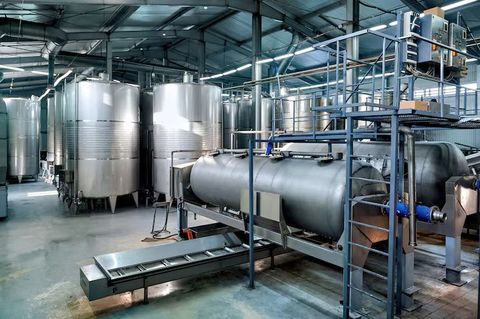
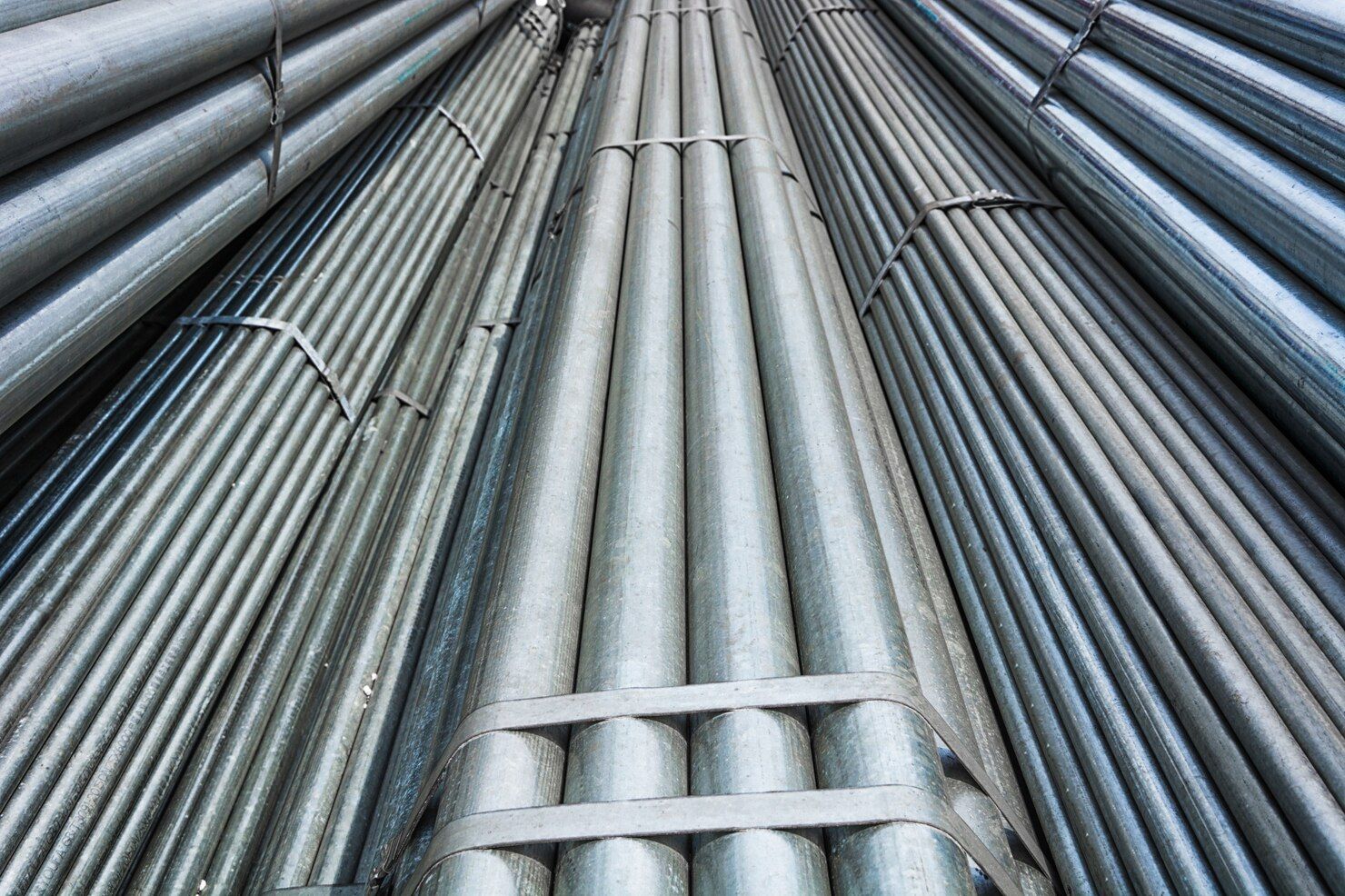 These tubes are used across industries such as construction, food and beverage processing, pharmaceuticals, oil and gas, automotive, aerospace, and renewable energy systems. They exist because modern engineering requires durable, hygienic, and long-lasting materials that perform reliably in harsh or sanitary environments.
Common forms include seamless and welded tubing, available in various grades such as 304, 316, and duplex stainless steel. The choice depends on the application’s operating conditions, including pressure, temperature, and exposure to corrosive substances.
Importance
The importance of stainless tubing extends far beyond industrial manufacturing - it influences sustainability, safety, and infrastructure development worldwide.
-
Corrosion Resistance: Stainless tubing remains strong and functional even in environments exposed to moisture, chemicals, and high temperatures, reducing the need for replacements.
-
Safety and Hygiene: Its non-reactive and easy-to-clean surface is essential in sectors like pharmaceuticals, food processing, and water treatment, where contamination control is critical.
-
Durability and Longevity: Stainless steel tubing resists wear and fatigue, offering excellent performance under continuous operation.
-
Environmental Sustainability: Stainless steel is 100% recyclable, and its long service life supports a reduced environmental footprint compared to alternatives.
-
Global Infrastructure Growth: As countries invest in energy transition, healthcare, and transport systems, stainless tubing remains vital for pipelines, heat exchangers, and structural supports.
It matters because it solves real-world challenges - ensuring cleaner systems, longer equipment life, and safer operations across industries.
Recent Updates
The stainless tubing industry has seen notable global developments over the past year:
-
Rise of Duplex and Super Duplex Grades (2024–2025): These advanced alloys are increasingly used in offshore oil, gas, and desalination projects due to superior corrosion resistance and mechanical strength.
-
Digital Manufacturing Integration: Tube manufacturers are adopting automation, artificial intelligence, and digital quality monitoring to improve precision and traceability in production.
-
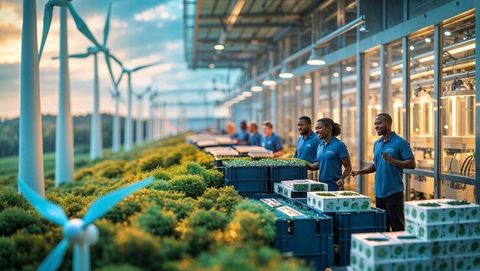
Green Energy Applications: The shift to hydrogen fuel, solar plants, and offshore wind energy has increased demand for stainless tubing capable of withstanding high pressure and extreme conditions.
-
Supply Chain Diversification: In response to geopolitical shifts and logistics challenges, many countries are localizing production or forming regional steel alliances to ensure stable supply.
-
Focus on Recyclability: The global drive for carbon neutrality has accelerated the use of recycled stainless steel and low-emission manufacturing processes.
Overall, stainless tubing is transitioning from a conventional material to a high-performance component supporting sustainable industrial evolution worldwide.
Laws or Policies
Globally, stainless tubing production and trade are guided by a combination of international standards, quality certifications, and environmental policies.
-
Standards and Certification: Commonly recognized international standards include ASTM (United States), ISO (International Organization for Standardization), EN (European Norms), and JIS (Japanese Industrial Standards). These define material composition, dimensional tolerances, mechanical properties, and test methods.
-
Quality Assurance Programs: Many countries mandate traceability systems and certification programs to verify material authenticity and performance, especially for high-pressure or sanitary applications.
-
Trade Regulations: Stainless tubing is subject to customs tariffs, anti-dumping duties, and trade agreements. Governments regularly review import/export policies to protect local industries and ensure fair competition.
-
Environmental Policies: Regulations such as the European Green Deal and emission reduction targets encourage producers to adopt low-carbon stainless steel manufacturing practices.
-
Safety Compliance: Sectors like food processing, pharmaceuticals, and chemical handling often require tubing to meet hygiene and safety standards defined by agencies such as FDA (Food and Drug Administration) or EU REACH (Registration, Evaluation, Authorisation and Restriction of Chemicals).
These frameworks collectively ensure that stainless tubing used around the world is safe, reliable, and environmentally responsible.
Tools and Resources
Professionals and students interested in stainless tubing can benefit from several helpful tools and informational resources:
-
Material Selection Charts: Compare different stainless grades (e.g., 304 vs. 316 vs. duplex) to understand corrosion resistance, strength, and temperature limits.
-
Alloy Databases: Online material libraries and engineering databases provide mechanical, thermal, and chemical properties for stainless tubing alloys.
-
Corrosion Calculators: Digital calculators help estimate expected corrosion rates in specific environments such as marine, chemical, or industrial conditions.
-
Dimensional Tables and Tolerance Guides: Useful for engineers and designers to ensure compatibility with fittings, valves, and connectors.
-
Manufacturing Handbooks: Published by international organizations and universities, these explain welding, forming, and finishing techniques for stainless tubing.
-
Sustainability Reports: Industry associations provide data on recycled content, energy efficiency, and life-cycle analysis of stainless steel products.
These tools promote better decision-making by combining technical insight with environmental and quality awareness.
FAQs
Q: What is the difference between seamless and welded stainless tubing?
A: Seamless tubing is produced by piercing a solid billet to create a hollow tube with no weld seam, providing superior strength and uniformity. Welded tubing is made by forming and welding steel strips, often more economical and sufficient for many applications where extreme pressure resistance is not required.
Q: Which stainless steel grade is best for corrosion resistance?
A: Grade 316 (and its low-carbon version 316L) offers excellent corrosion resistance due to added molybdenum. Duplex stainless steels provide even higher resistance in harsh marine and chemical environments. The choice depends on the exposure conditions and mechanical requirements.
Q: How is stainless tubing tested for quality?
A: Common tests include hydrostatic pressure tests, eddy current inspections, ultrasonic testing, and dimensional accuracy checks. Chemical composition and tensile strength are verified using spectrometric and mechanical testing methods.
Q: Can stainless tubing be recycled?
A: Yes. Stainless steel is 100% recyclable without loss of properties. Most tubing contains a high percentage of recycled material, making it one of the most sustainable metallic products available.
Q: What industries use stainless tubing the most?
A: Key sectors include food and beverage processing, petrochemical, construction, medical equipment, automotive, aerospace, and renewable energy. Its versatility and reliability make it suitable for nearly every engineered system.
Conclusion
Stainless tubing plays a central role in modern industry and infrastructure. Its combination of strength, corrosion resistance, hygiene, and sustainability makes it an essential material across global markets. As technology advances and sustainability goals shape industrial practices, stainless tubing continues to evolve - adapting to cleaner energy systems, automated manufacturing, and stricter international standards.
Understanding its basics helps engineers, planners, and decision-makers select the right materials for the right purpose. With consistent innovation, compliance with global standards, and emphasis on recyclability, stainless tubing remains a key foundation for durable and sustainable engineering worldwide.