Exploring UNESCO Cultural Towns: Facts, Historical Details, and Cultural Insights
UNESCO Cultural Towns are historic urban places recognized for their outstanding cultural value. These towns are part of the World Heritage framework coordinated by UNESCO, which aims to identify, protect, and preserve cultural heritage that has global significance.
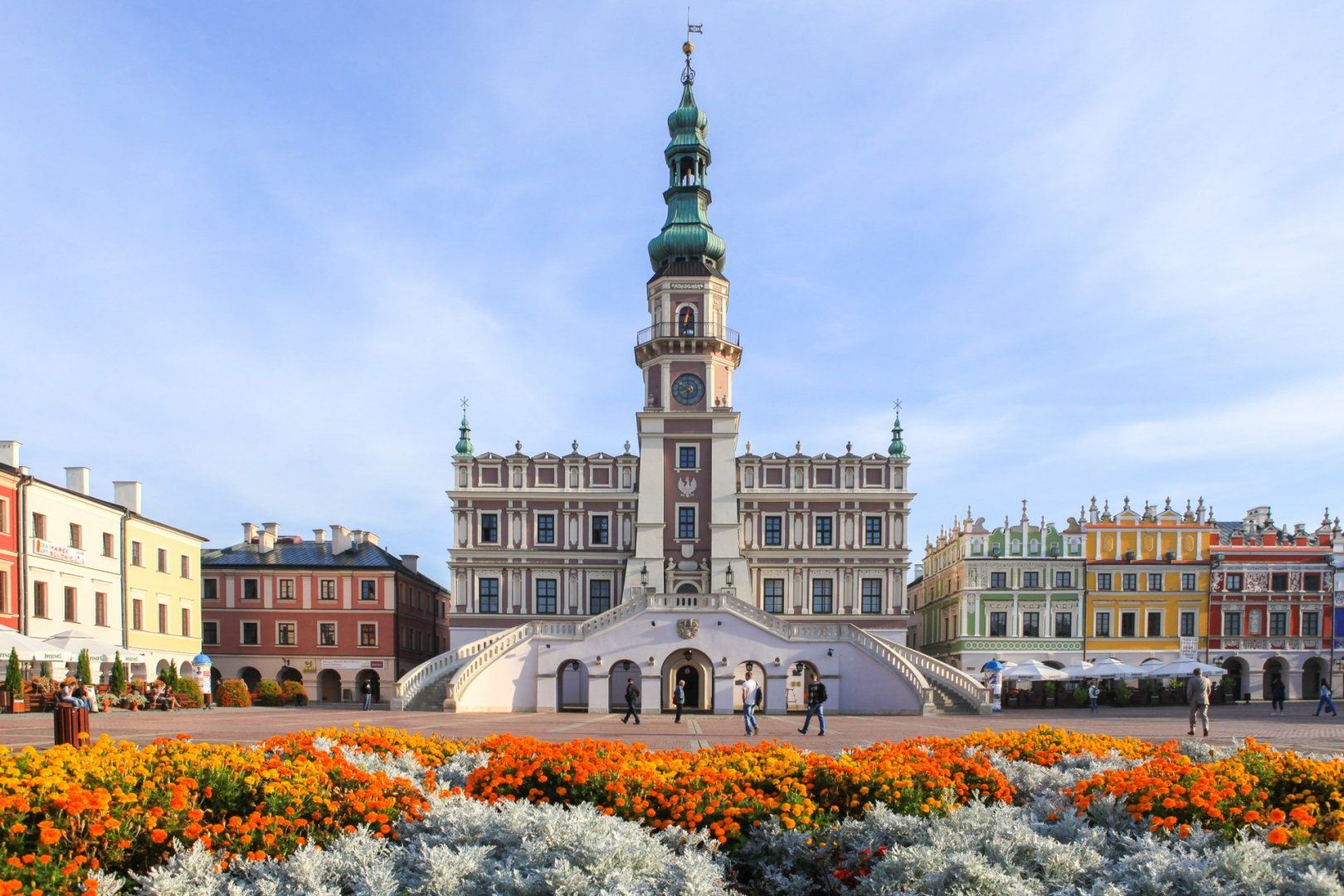 A cultural town may be known for its historic layout, traditional architecture, artistic traditions, religious importance, or long-standing social practices. Many of these towns developed over centuries as centers of trade, governance, education, or spiritual life. Their streets, buildings, and public spaces reflect how communities lived, worked, and expressed identity over time.
The concept exists to ensure that modernization, environmental pressures, and population growth do not erase these historically valuable places. By recognizing entire towns rather than single monuments, UNESCO highlights the importance of living cultural landscapes where heritage and daily life continue together.
Importance: Why UNESCO Cultural Towns Matter Today
UNESCO Cultural Towns matter because they help preserve human history in a tangible and accessible form. These towns allow people to understand how societies evolved, how cultures interacted, and how traditions were passed down through generations.
Their relevance today extends to multiple groups:
-
Local communities benefit from cultural recognition and pride.
-
Researchers and educators gain reliable reference points for historical study.
-
Governments receive guidance on heritage-aware urban planning.
-
The global public gains awareness of cultural diversity.
These towns also address real-world challenges. Rapid urban expansion can threaten historic areas through uncontrolled construction and infrastructure changes. Cultural designation encourages balanced development that respects heritage while supporting modern needs. It also helps protect traditional crafts, languages, and rituals that may otherwise fade.
Recent Updates: Developments and Current Trends
In the recent period, UNESCO Cultural Towns have seen increased focus on sustainability and community involvement. Heritage management approaches now emphasize local participation, ensuring residents play a central role in decision-making.
Another noticeable trend is the integration of digital documentation. Towns are increasingly using digital mapping, archival scanning, and cultural inventories to record buildings, street patterns, and intangible traditions. This supports long-term conservation and disaster preparedness.
There has also been growing attention to climate-related risks. Flooding, temperature changes, and environmental degradation pose challenges to historic materials and urban layouts. Conservation plans are being adjusted to strengthen resilience while maintaining authenticity.
Laws and Policies: How Cultural Towns Are Protected
UNESCO Cultural Towns are influenced by international guidelines and national heritage laws. Once a town is recognized, the national government is responsible for implementing protective measures in line with UNESCO standards.
Common policy elements include:
-
Legal protection for historic buildings and streetscapes
-
Restrictions on alterations that affect cultural character
-
Mandatory heritage impact assessments for urban projects
-
Long-term conservation and management plans
Local authorities often collaborate with cultural ministries, planning departments, and heritage experts. These policies aim to ensure that preservation is not isolated from everyday governance but integrated into housing, transport, and public services.
The balance between protection and daily life is central. Cultural towns are living places, not museums, so policies generally support continued residential use, traditional commerce, and cultural events.
Tools and Resources: Practical Support for Understanding Cultural Towns
A range of tools and resources support the study and management of UNESCO Cultural Towns. These resources help policymakers, students, and community members understand heritage value and conservation needs.
Commonly used resources include:
-
Cultural heritage mapping systems for urban analysis
-
Architectural documentation templates for historic buildings
-
Risk assessment frameworks for natural and environmental threats
-
Educational toolkits explaining cultural value and preservation principles
-
Community engagement guides for participatory heritage planning
These tools encourage informed decisions and consistent standards across different regions and cultural contexts.
Cultural Diversity Across UNESCO Towns
UNESCO Cultural Towns represent diverse cultural expressions across continents. For example, Jaipur reflects planned urban design and royal heritage, while Cusco demonstrates the fusion of Indigenous and colonial traditions.
Despite differences in geography and history, these towns share common traits:
-
Strong connection between architecture and social life
-
Continuity of traditional practices
-
Urban forms shaped by local climate and resources
This diversity highlights that cultural heritage is not uniform but deeply rooted in local context.
Table: Common Characteristics of UNESCO Cultural Towns
| Aspect | Description |
|---|---|
| Urban Layout | Often based on historic planning or organic growth |
| Architecture | Use of local materials and traditional techniques |
| Social Life | Ongoing customs, festivals, and community practices |
| Governance | Protected by heritage-focused planning rules |
| Cultural Value | Recognized as significant beyond national borders |
FAQs: Clear Answers to Common Questions
What qualifies a town for UNESCO cultural recognition?
A town must demonstrate outstanding cultural value, authenticity, and integrity, showing how its physical form and traditions represent significant aspects of human history.
Are UNESCO Cultural Towns still inhabited?
Yes. Most are living towns where residents continue daily life while maintaining cultural traditions and historic environments.
Does recognition change how a town develops?
Recognition encourages careful planning. Development continues, but changes are guided to respect historic character and cultural meaning.
Is cultural heritage limited to buildings?
No. It includes traditions, crafts, social practices, and ways of life connected to the town.
Can cultural status be removed?
Yes. If a town loses the qualities that justify recognition, it may be placed under review or removed from the list.
Data Overview: Tangible and Intangible Heritage Elements
| Heritage Type | Examples |
|---|---|
| Tangible | Streets, houses, public squares |
| Intangible | Festivals, oral traditions, craftsmanship |
| Environmental | Relationship with surrounding landscape |
Conclusion
UNESCO Cultural Towns represent living chapters of human history. They preserve not only historic buildings but also cultural practices, social structures, and shared memories. Their continued relevance lies in showing how tradition and modern life can coexist when guided by thoughtful policies and community participation.
By understanding their context, importance, and protection frameworks, people gain deeper appreciation for cultural diversity and the shared responsibility of heritage stewardship. These towns remind us that history is not only remembered but lived every day.