Exploring Water Tanker Rentals: Essential Information, Advice, and Details
Water tanker rentals refer to the temporary use of large vehicles designed to transport and deliver water to locations where regular supply systems are unavailable, unreliable, or insufficient. These tankers are commonly used in urban neighborhoods, rural areas, construction zones, agricultural fields, and during emergency situations.
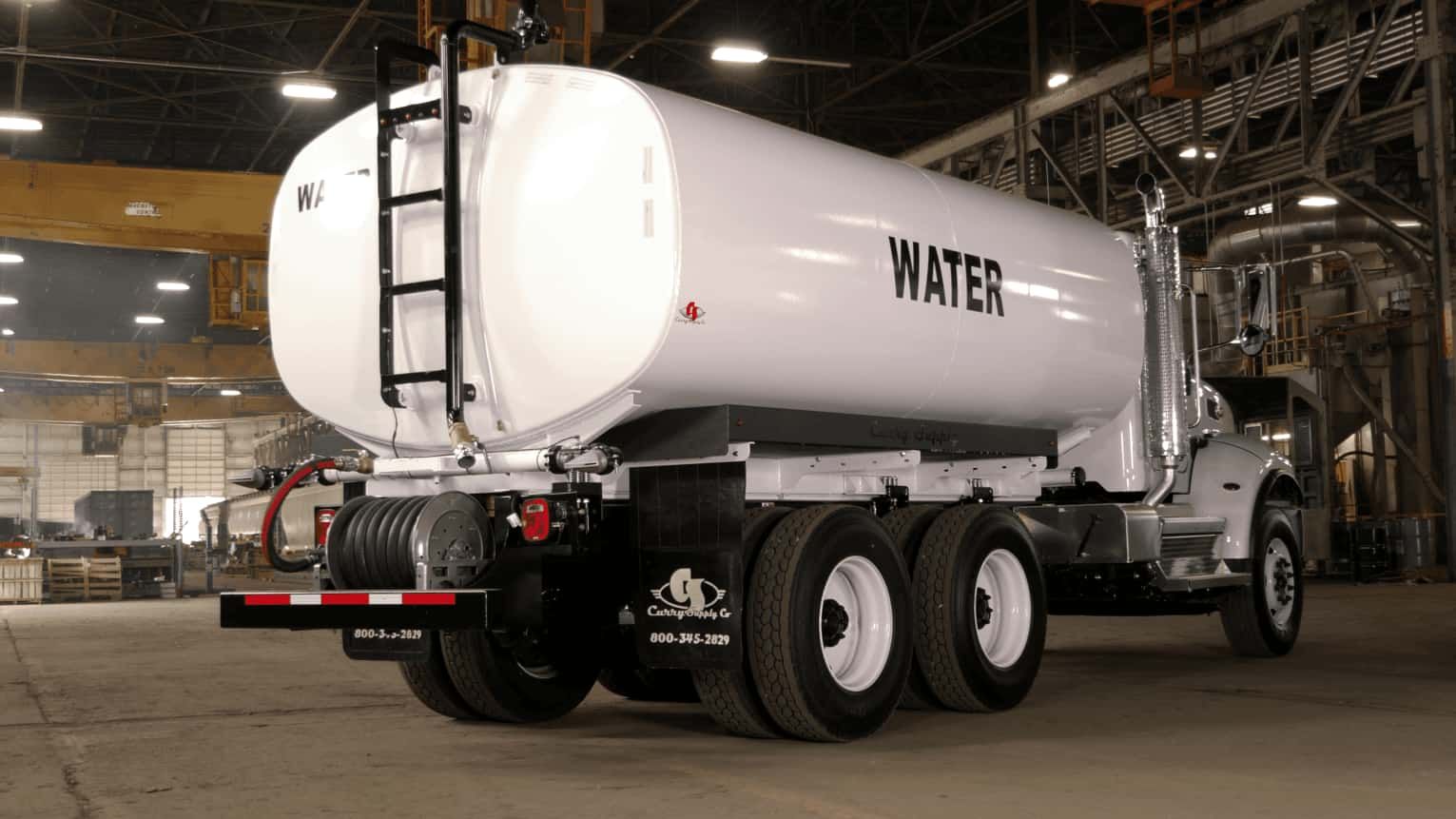 The concept exists to address gaps in water accessibility. In many regions, infrastructure limitations, population growth, seasonal shortages, or maintenance interruptions can reduce water availability. Water tankers function as a mobile distribution method, ensuring water reaches areas that fixed pipelines cannot reliably serve.
Typical tanker capacities range from small units for narrow access routes to high-volume tankers designed for bulk water transportation. The water carried may be intended for domestic use, industrial operations, irrigation support, or non-potable applications such as cleaning and dust control.
Why Water Tanker Rentals Matter in Daily Life
Access to water remains a fundamental requirement for health, sanitation, and economic activity. Water tanker rentals play an important role in maintaining continuity when conventional supply systems are disrupted or insufficient.
Key groups affected include:
-
Residential communities facing irregular municipal supply
-
Infrastructure development projects requiring temporary water access
-
Agricultural users managing irrigation gaps
-
Institutions such as schools, hospitals, and public facilities
-
Disaster-affected regions needing rapid water distribution
This system helps solve practical challenges such as water scarcity, uneven distribution, and infrastructure delays. By providing flexibility and mobility, tanker usage supports continuity in daily routines and essential operations.
From a broader perspective, water tanker rentals contribute to water management strategies by supplementing fixed networks rather than replacing them. They act as an adaptive response to changing demand patterns and environmental pressures.
Recent Developments and Operational Trends
Over the recent period, water tanker usage has shown noticeable shifts driven by environmental awareness, monitoring practices, and operational efficiency.
Several trends have emerged:
-
Increased tracking of water sources to improve transparency
-
Greater emphasis on water quality verification before distribution
-
Use of digital scheduling tools for route planning
-
Higher scrutiny from local authorities regarding extraction points
Urban planning bodies and community associations have also shown greater interest in demand forecasting to reduce dependency on emergency tanker deployment. In parallel, discussions around sustainable groundwater usage have influenced how tanker operations are regulated and monitored.
Operational data collection has improved, helping users understand delivery volumes, frequency, and consumption patterns. These changes aim to balance accessibility with responsible water use.
Regulatory Framework and Public Policy Influence
Water tanker rentals operate within a regulatory environment shaped by environmental protection rules, public health standards, and local governance policies. In many regions, including India, water transportation is subject to oversight to prevent misuse of groundwater resources and ensure water safety.
Common regulatory elements include:
-
Licensing requirements for tanker operators
-
Restrictions on groundwater extraction locations
-
Mandatory water quality testing for potable usage
-
Compliance with municipal water management guidelines
Local administrations may also impose limits during drought conditions to prioritize essential needs. Penalties can apply for unauthorized extraction or unsafe distribution practices.
Public programs focused on water conservation indirectly affect tanker usage by promoting rainwater harvesting, wastewater reuse, and improved pipeline infrastructure. These initiatives aim to reduce long-term dependency on mobile water delivery while recognizing its short-term necessity.
Practical Tools and Informational Resources
Understanding water tanker rentals is easier with the help of planning and monitoring tools. These resources support informed decision-making and responsible usage without promoting transactions.
Helpful tools and resources include:
-
Water consumption calculators for households and projects
-
Tank capacity comparison charts
-
Daily usage log templates
-
Water quality parameter checklists
-
Local authority guidelines on water usage limits
Example: Household Water Usage Estimation Table
| Household Size | Daily Water Need (Liters) | Weekly Requirement |
|---|---|---|
| Small Family | Moderate | Consistent |
| Medium Family | Higher | Increased |
| Large Family | High | Significant |
Frequently Asked Questions About Water Tanker Rentals
What types of water are transported by tankers?
Water tankers may carry potable or non-potable water depending on the intended use. Potable water must meet drinking standards, while non-potable water is typically used for cleaning, construction, or irrigation.
How is water quality ensured during transportation?
Quality assurance generally involves source verification, tank cleaning protocols, and periodic testing. Regulations often require compliance with health and safety standards for potable distribution.
Are water tanker rentals suitable for long-term use?
They are generally intended as a temporary or supplementary solution. Long-term reliance may indicate the need for infrastructure upgrades or alternative water management approaches.
What factors influence the size of tanker required?
Key factors include daily water consumption, frequency of delivery, storage capacity at the site, and access constraints such as road width and terrain.
How can water usage be reduced when relying on tankers?
Usage reduction strategies include fixing leaks, reusing water where appropriate, installing low-flow fixtures, and tracking daily consumption to avoid unnecessary waste.
Key Takeaways and Overall Perspective
Water tanker rentals serve as a practical response to water availability challenges across residential, agricultural, and institutional contexts. They exist to bridge supply gaps, support essential activities, and provide flexibility during shortages or infrastructure limitations.
Their importance lies not only in accessibility but also in responsible usage. Regulatory oversight, improved monitoring, and public awareness initiatives shape how tanker operations function within broader water management systems.
By understanding operational basics, legal considerations, and consumption planning tools, individuals and organizations can approach water tanker usage with clarity and accountability. While not a permanent substitute for robust infrastructure, water tanker rentals remain a relevant component of adaptive water distribution strategies.

