Exploring Wellness Retreats: Overview, Basics, and Practical Suggestions for Relaxation and Health
Wellness retreats are structured environments designed to support physical, mental, and emotional well-being. These retreats often combine activities such as mindfulness meditation, yoga sessions, nature immersion, nutritional guidance, and stress-management workshops. The main idea behind wellness retreats is to create a calm and focused space where individuals can step away from daily routines and concentrate on personal health and relaxation.
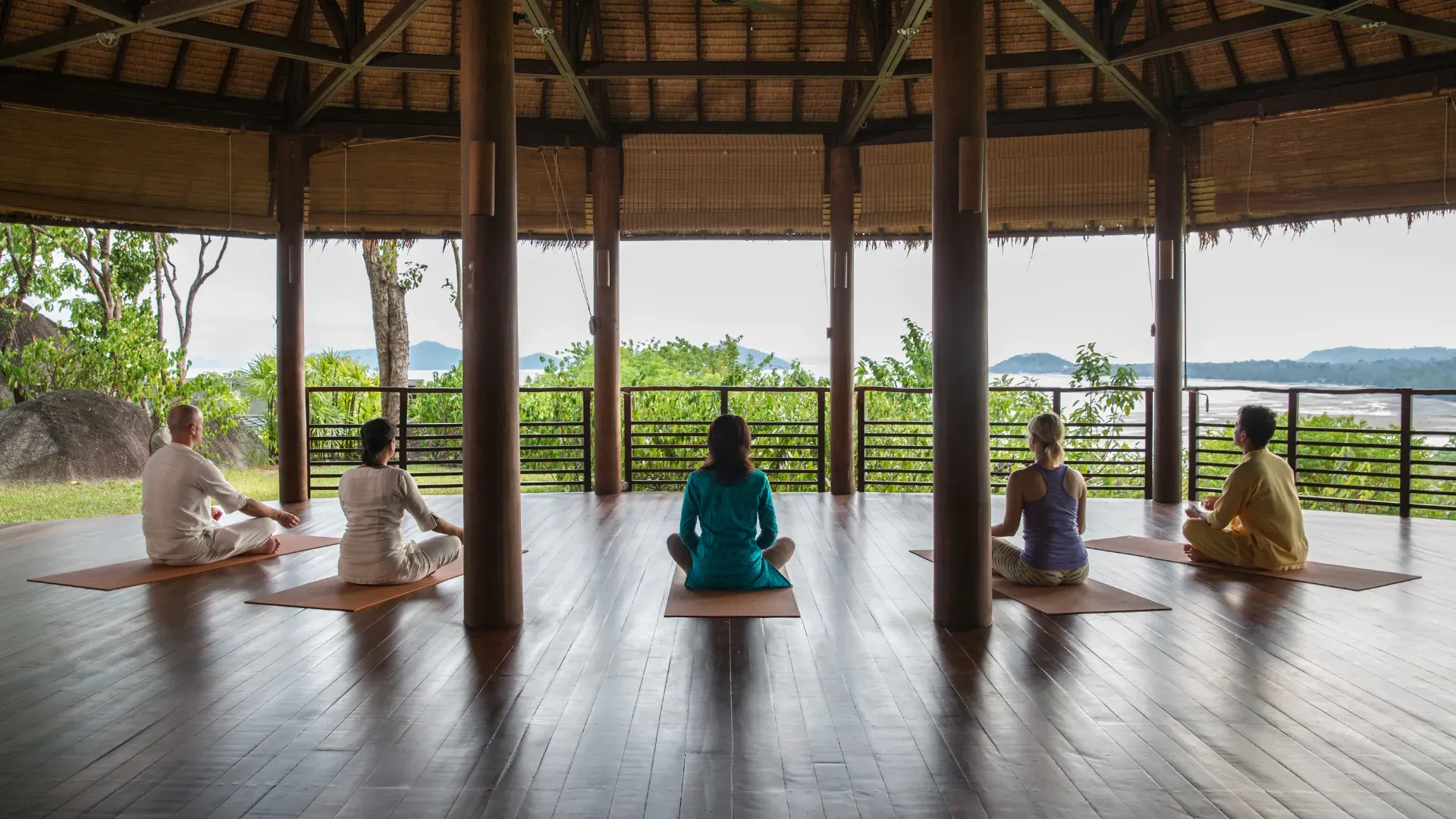
The concept of a wellness retreat developed from traditional healing practices and holistic health philosophies. Many cultures have long practiced meditation, herbal therapies, and spiritual reflection as ways to restore balance in life. Over time, these traditions evolved into organized programs that bring together health education, relaxation techniques, and personal reflection in a structured setting.
Today, wellness retreats can take place in a variety of environments. Some are located in natural landscapes such as mountains, forests, or coastal areas where participants can experience peaceful surroundings. Others are hosted in dedicated wellness centers that provide facilities for meditation, yoga, and holistic health workshops.
Common elements often found in wellness retreat programs include:
-
Guided meditation and mindfulness practices
-
Yoga or gentle movement sessions
-
Nutrition and healthy lifestyle education
-
Nature walks or outdoor relaxation activities
-
Stress-management and emotional well-being workshops
These activities aim to encourage individuals to pause, reflect, and reconnect with healthy habits that support long-term well-being.
Why Wellness Retreats Matter for Modern Health and Well-Being
Modern lifestyles often involve busy schedules, constant digital connectivity, and increased work demands. As a result, many people experience stress, fatigue, and difficulty maintaining healthy routines. Wellness retreats address these challenges by providing structured environments where participants can focus on rest, mental clarity, and balanced living.
One of the main benefits of wellness retreats is the opportunity to practice mindfulness and relaxation techniques in a distraction-reduced setting. Activities such as meditation and breathwork can help individuals understand how their thoughts and emotions influence their overall health.
Wellness retreats also encourage healthy lifestyle habits. Participants often learn about nutrition awareness, movement practices, and sleep hygiene, which can contribute to long-term physical and mental wellness.
Groups that may benefit from wellness retreats include:
-
Individuals seeking stress management techniques
-
People exploring mindfulness and meditation practices
-
Those interested in holistic health approaches
-
Professionals experiencing burnout or fatigue
-
Individuals wanting to learn about balanced lifestyle habits
The increasing global focus on mental health and preventive care has also contributed to greater awareness of wellness retreats. Rather than focusing only on treating illness, many wellness programs emphasize maintaining health through daily habits, mindfulness practices, and lifestyle education.
The table below highlights common wellness retreat activities and their potential focus areas.
| Wellness Activity | Main Focus Area |
|---|---|
| Meditation Sessions | Mental clarity and emotional awareness |
| Yoga Practices | Physical flexibility and relaxation |
| Nature Immersion | Stress reduction and connection with environment |
| Nutritional Workshops | Healthy eating awareness |
| Breathwork Exercises | Calmness and stress management |
These activities often complement one another and create a comprehensive approach to personal well-being.
Trends and Developments in Wellness Retreat Programs
Interest in wellness retreats has grown steadily as more people explore holistic health and mental wellness practices. In recent discussions across the health and travel sectors, several trends have emerged that reflect how wellness programs are evolving.
One notable trend is the integration of digital wellness concepts. Some retreat programs now encourage participants to reduce screen time and practice mindful technology use. This approach highlights the importance of digital balance and mental clarity in an increasingly connected world.
Another development is the expansion of specialized wellness retreats. Programs may focus on areas such as:
-
Mindfulness meditation retreats
-
Yoga immersion experiences
-
Stress-management workshops
-
Nature-based wellness programs
-
Holistic health education sessions
There has also been increased attention on evidence-based wellness practices. Many programs incorporate guidance from health professionals, meditation instructors, and nutrition educators who provide educational workshops on maintaining balanced lifestyles.
Wellness retreats are also adapting to a wider audience. Some programs now include beginner-friendly sessions designed for people who are new to meditation or yoga practices. This approach helps make wellness activities more accessible and educational rather than exclusive.
The chart below illustrates the growing areas of interest within wellness retreat activities.
| Wellness Focus Area | Increasing Interest |
|---|---|
| Mindfulness Meditation | High |
| Yoga and Movement | High |
| Nature-Based Retreats | Medium |
| Digital Detox Practices | Medium |
| Holistic Health Education | High |
These trends suggest that wellness retreats are increasingly viewed as learning experiences where individuals gain practical knowledge about maintaining physical and mental balance.
Policies and Public Health Considerations Related to Wellness Retreats
Wellness retreats operate within broader health, tourism, and safety frameworks established by governments and public health authorities. These policies aim to ensure that programs prioritize participant safety, transparency, and responsible wellness practices.
In many countries, retreat facilities must follow regulations related to health and safety standards. These can include guidelines for accommodation environments, hygiene protocols, and the qualifications of instructors leading wellness activities.
For example, yoga instructors and meditation teachers in some regions may need recognized certifications from professional training organizations. This helps maintain a consistent level of knowledge and instructional quality within wellness programs.
Public health guidelines also influence how wellness retreats are organized. Programs often follow recommendations related to:
-
Safe group activity practices
-
Environmental sustainability considerations
-
Nutrition and food safety standards
-
Responsible health communication
Some countries have also introduced wellness tourism frameworks that encourage responsible practices within the wellness travel sector. These initiatives focus on sustainable tourism, cultural respect, and the protection of natural environments where retreats may be located.
Government health campaigns promoting mental well-being and stress awareness have further increased interest in mindfulness and wellness programs. As a result, wellness retreats are sometimes seen as complementary environments where individuals can learn practical strategies for maintaining emotional balance and healthy lifestyles.
Tools and Resources That Support Wellness Retreat Planning and Learning
People interested in wellness retreats often explore digital tools and educational resources that support mindfulness and health awareness. These tools help individuals prepare for wellness activities and maintain healthy routines even outside a retreat environment.
Several types of resources are commonly used:
Meditation and mindfulness applications
-
Calm
-
Headspace
-
Insight Timer
These apps guide users through meditation sessions, breathing exercises, and relaxation practices that support mental clarity and emotional balance.
Health and wellness tracking platforms
-
Fitbit wellness tracking tools
-
Apple Health monitoring features
These tools help track physical activity, sleep patterns, and overall wellness indicators.
Yoga and movement learning platforms
-
Online yoga practice guides
-
Stretching and mobility training programs
These resources introduce beginners to safe movement routines that can support flexibility and relaxation.
Personal wellness planning templates
-
Daily mindfulness journals
-
Stress management reflection templates
-
Habit tracking charts
The following table demonstrates how these resources support wellness learning.
| Resource Type | Purpose |
|---|---|
| Meditation Apps | Guide mindfulness and relaxation exercises |
| Wellness Tracking Tools | Monitor activity and sleep patterns |
| Yoga Learning Platforms | Introduce safe movement practices |
| Journaling Templates | Encourage self-reflection and habit tracking |
Using these tools can help individuals build consistent wellness habits and apply techniques learned in retreat environments to everyday life.
Frequently Asked Questions About Wellness Retreats
What is the main purpose of a wellness retreat?
The main purpose is to create a supportive environment where individuals can focus on relaxation, mindfulness practices, and healthy lifestyle habits. Retreat programs often combine educational workshops with meditation, yoga, and nature activities.
Do wellness retreats require prior experience with meditation or yoga?
Many wellness retreats include beginner-friendly sessions. These programs typically introduce basic mindfulness practices and gentle movement exercises so participants can learn at a comfortable pace.
How long do wellness retreats usually last?
Retreats can vary in duration. Some programs last a few days, while others extend over longer periods. The length often depends on the program structure and the types of wellness activities included.
Are wellness retreats focused only on physical health?
No. Most wellness retreats emphasize a holistic approach that includes mental clarity, emotional awareness, and lifestyle balance in addition to physical well-being.
Can wellness practices from retreats be continued at home?
Yes. Many retreats encourage participants to adopt daily habits such as meditation, mindful breathing, journaling, and gentle movement routines that can be practiced independently.
Conclusion
Wellness retreats provide structured environments that encourage individuals to pause, reflect, and focus on balanced living. By combining mindfulness practices, relaxation techniques, and lifestyle education, these programs support a holistic approach to health and well-being.
The growing interest in mental health awareness and preventive wellness has contributed to the increasing popularity of retreat programs. Participants often gain practical knowledge about stress management, mindful living, and healthy habits that can be applied beyond the retreat environment.
With the support of wellness tools, mindfulness resources, and educational guidance, individuals can continue building positive routines that promote long-term physical and mental balance. Wellness retreats therefore represent not only temporary relaxation experiences but also opportunities to develop sustainable well-being practices for everyday life.

