Exploring Wooden Wall Panels: Tips, Insights, and Practical Suggestions for Interior Spaces
Wooden wall panels are decorative and structural interior elements used to enhance the appearance and functionality of indoor spaces. They are typically made from natural wood, engineered wood, or composite materials and are installed on interior walls to add texture, warmth, and architectural interest.
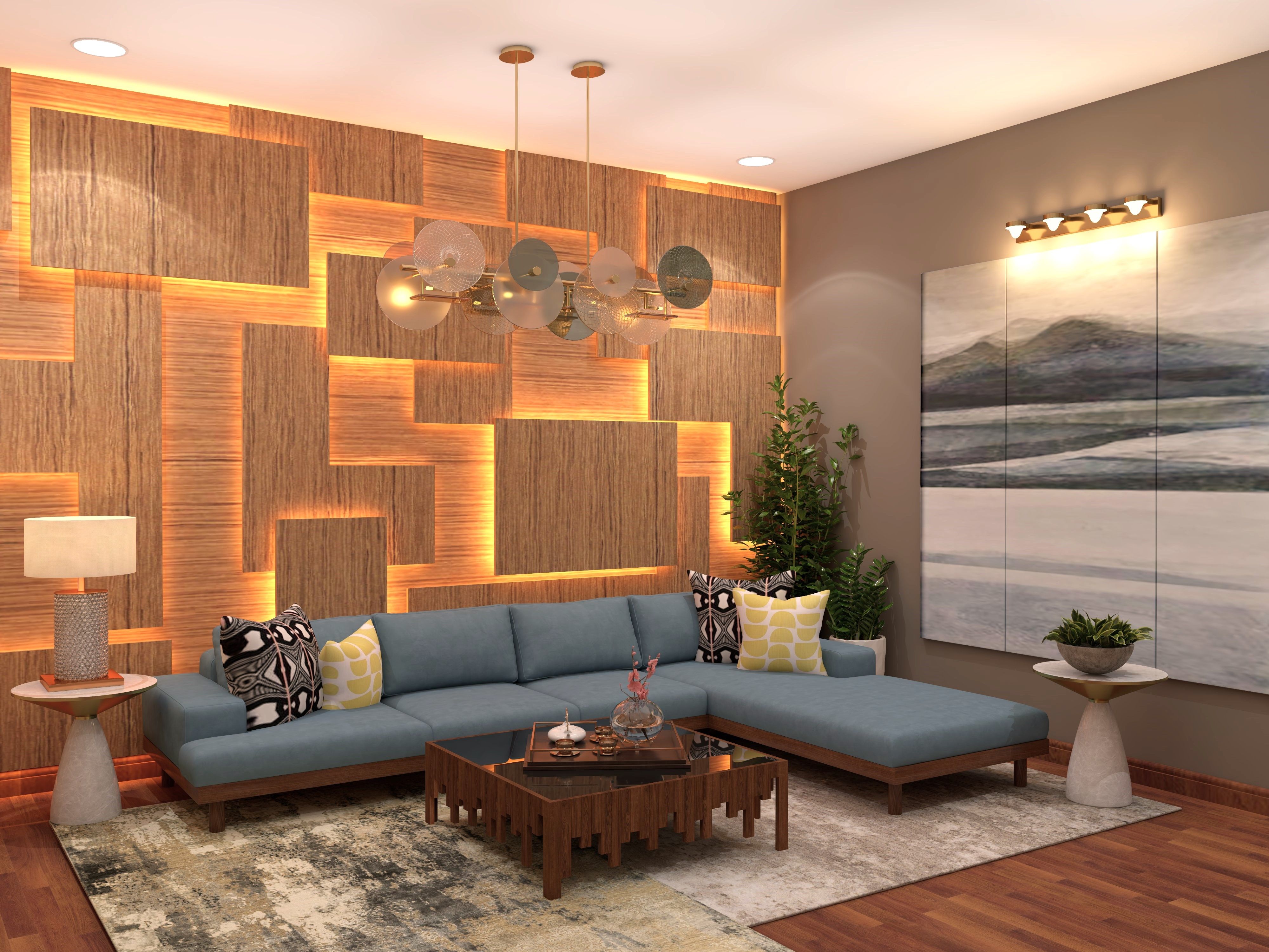
Historically, wooden paneling appeared in classical architecture where it served both decorative and insulating purposes. Over time, interior design practices evolved, and wooden wall panels became popular in residential homes, commercial interiors, hospitality environments, and office spaces. Modern wall panel systems now include engineered wood panels, acoustic panels, decorative slats, and modular wall coverings.
In contemporary interior architecture, wooden panels serve several purposes:
-
Improving wall aesthetics
-
Enhancing acoustic performance
-
Supporting sustainable interior materials
-
Adding dimensional design elements
-
Protecting interior surfaces
The increasing focus on interior wall systems, sustainable building materials, acoustic wall panels, decorative wood paneling, engineered wood surfaces, and interior architectural panels has expanded the use of wood panels across different building environments.
Why Wooden Wall Panels Matter in Modern Interior Spaces
Interior spaces today are designed not only for visual appeal but also for comfort, acoustics, and durability. Wooden wall panels contribute to these objectives by combining natural materials with modern design functionality.
One major reason wooden panels are widely used is their ability to create visual depth in interiors. Flat painted walls often lack texture, while wood paneling introduces natural grain patterns and geometric structures that improve the overall ambiance of a room.
Wood panels also influence indoor acoustics. In environments such as offices, studios, or conference rooms, sound reflection can affect communication and concentration. Acoustic wood panels help absorb sound waves and reduce echo, improving overall sound quality in enclosed spaces.
The following table highlights how wooden wall panels support various interior design goals.
| Interior Design Objective | Role of Wooden Wall Panels |
|---|---|
| Visual texture | Adds depth and pattern to walls |
| Acoustic improvement | Helps reduce echo and sound reflection |
| Interior durability | Protects walls from wear |
| Sustainable design | Supports natural material integration |
| Architectural focus | Creates feature walls and focal points |
Wood panels are often used in:
-
Living rooms and bedrooms
-
Corporate offices and meeting rooms
-
Hotels and hospitality interiors
-
Restaurants and cafés
-
Educational and cultural buildings
Another important factor is the compatibility of wooden wall panels with modern architectural styles. Minimalist interiors, Scandinavian design concepts, and contemporary urban homes frequently use decorative wood slat panels, acoustic wall panel systems, engineered wood wall coverings, and sustainable interior wall materials.
Current Design Trends and Developments in Wooden Wall Paneling
Interior design trends continue to evolve as architects and designers explore new materials and construction technologies. Wooden wall panels have experienced renewed attention due to sustainability awareness and biophilic design concepts.
Biophilic design refers to integrating natural elements into built environments to improve occupant well-being. Wood surfaces play an important role in this design philosophy because natural textures and materials can make interior spaces feel more comfortable and balanced.
Some of the most noticeable trends in wooden wall panel applications include:
• Vertical wood slat panels used for feature walls
• Acoustic wood panel systems in workspaces
• Modular panel designs for flexible interiors
• Engineered wood panels with improved durability
• Combination of wood panels with lighting systems
The following chart-style comparison shows common panel styles used in modern interiors.
| Panel Style | Design Characteristics | Typical Interior Use |
|---|---|---|
| Vertical slat panels | Linear patterns and depth | Living rooms, offices |
| Flat wood panels | Smooth minimalist surfaces | Corporate interiors |
| Acoustic perforated panels | Small perforations for sound control | Studios, meeting rooms |
| Reclaimed wood panels | Rustic natural texture | Hospitality spaces |
| Geometric wood panels | Artistic patterns | Feature walls |
Another noticeable shift involves sustainable material sourcing. Interior designers increasingly prioritize responsibly sourced timber, engineered wood products, and low-emission finishes to support environmentally responsible construction.
Manufacturing techniques have also improved. Computer-controlled cutting and modular panel systems now allow more precise installation and greater design customization.
These developments have increased interest in sustainable wood panel systems, engineered timber interiors, acoustic wooden panels, decorative architectural paneling, and interior wall design solutions.
Regulatory Considerations and Building Standards
Interior construction materials, including wooden wall panels, are influenced by building regulations and safety standards. These rules ensure that materials used in buildings meet safety, environmental, and fire protection requirements.
Many countries regulate interior materials through building codes that address factors such as:
-
Fire resistance ratings
-
Indoor air quality standards
-
Structural safety
-
Environmental sustainability
For example, wooden panels used in public buildings or commercial spaces may need to comply with fire-safety classifications. Certain treated wood products and engineered panels are designed to meet these safety requirements.
Environmental standards also play an important role. Governments and regulatory bodies encourage the use of responsibly sourced timber and low-emission building materials to reduce environmental impact.
Common policy areas affecting wooden wall panels include:
• Sustainable forestry certification standards
• Indoor air quality guidelines
• Building energy efficiency frameworks
• Fire safety codes for interior finishes
These regulations influence the development of engineered wood construction materials, sustainable timber products, interior building materials compliance, and environmentally responsible architecture.
Understanding these frameworks helps architects, builders, and property owners select materials that align with both design goals and regulatory expectations.
Useful Tools, Software, and Planning Resources
Interior design and architectural planning often involve digital tools that assist in visualization, measurement, and layout planning. When working with wooden wall panels, several resources help professionals and homeowners understand design possibilities and technical requirements.
Digital design platforms allow users to simulate interior spaces and experiment with different wall panel patterns, textures, and layouts.
Commonly used resources include:
• Interior design visualization software
• Room layout planning tools
• Acoustic simulation calculators
• Material sustainability databases
• Building design templates
These tools help evaluate how wooden panels interact with lighting, furniture layout, and spatial proportions.
The following table outlines examples of useful planning resources.
| Tool Category | Purpose |
|---|---|
| Interior design software | Visualize panel layouts in virtual spaces |
| Acoustic simulation tools | Evaluate sound absorption effects |
| Material sustainability databases | Compare eco-friendly wood materials |
| Measurement calculators | Estimate panel coverage and dimensions |
| Architectural templates | Plan wall panel alignment and structure |
Digital resources help designers explore architectural wall panel layouts, interior acoustic design tools, building material planning software, and sustainable architecture databases.
Using these resources can improve planning accuracy and help visualize how different panel styles will appear within an interior environment.
Frequently Asked Questions About Wooden Wall Panels
What are wooden wall panels used for in interior design?
Wooden wall panels are used to enhance interior aesthetics and improve wall functionality. They add texture, architectural detail, and sometimes acoustic benefits to residential and commercial spaces.
Do wooden wall panels help with sound control?
Certain wood panels are designed with acoustic features such as perforations or backing materials that absorb sound. These panels help reduce echo and improve sound clarity in rooms like offices, studios, and meeting spaces.
Are engineered wood panels different from solid wood panels?
Yes. Solid wood panels are made from natural timber, while engineered panels combine wood fibers or layers with bonding technology. Engineered panels often provide improved dimensional stability and consistent surface finishes.
Where are wooden wall panels commonly installed?
They are frequently installed in living rooms, offices, hospitality interiors, conference rooms, and educational buildings. Designers often use them to create feature walls or architectural focal points.
Do wooden wall panels support sustainable building practices?
Many modern panels are manufactured using responsibly sourced timber and low-emission finishes. Sustainable wood materials are increasingly used in environmentally conscious architecture and interior design.
Conclusion
Wooden wall panels represent an important element of modern interior architecture. They combine visual appeal with functional advantages such as acoustic control, surface protection, and design versatility.
As interior design evolves, wooden panels continue to adapt through innovations in engineered materials, modular installation systems, and sustainable production practices. These developments allow designers to incorporate natural textures and architectural detail into contemporary living and working environments.
Understanding how wooden wall panels function within interior spaces helps architects, designers, and homeowners make informed decisions about wall treatments and interior finishes. By considering factors such as material composition, acoustic performance, regulatory compliance, and design trends, interior spaces can benefit from both aesthetic and functional improvements.
The growing focus on sustainable interior materials, engineered wood panel systems, acoustic wall solutions, architectural wood paneling, and modern interior wall design highlights the continuing relevance of wooden panels in shaping comfortable and visually engaging interior environments.

