Exterior Panelling Overview: Discover Materials, Details, and Helpful Design Suggestions
Exterior panelling refers to the outer layer or cladding applied to a building’s exterior walls. It serves as both a protective barrier and a design feature. This layer shields structures from environmental conditions such as rain, sunlight, and temperature changes while also contributing to the building’s visual identity.
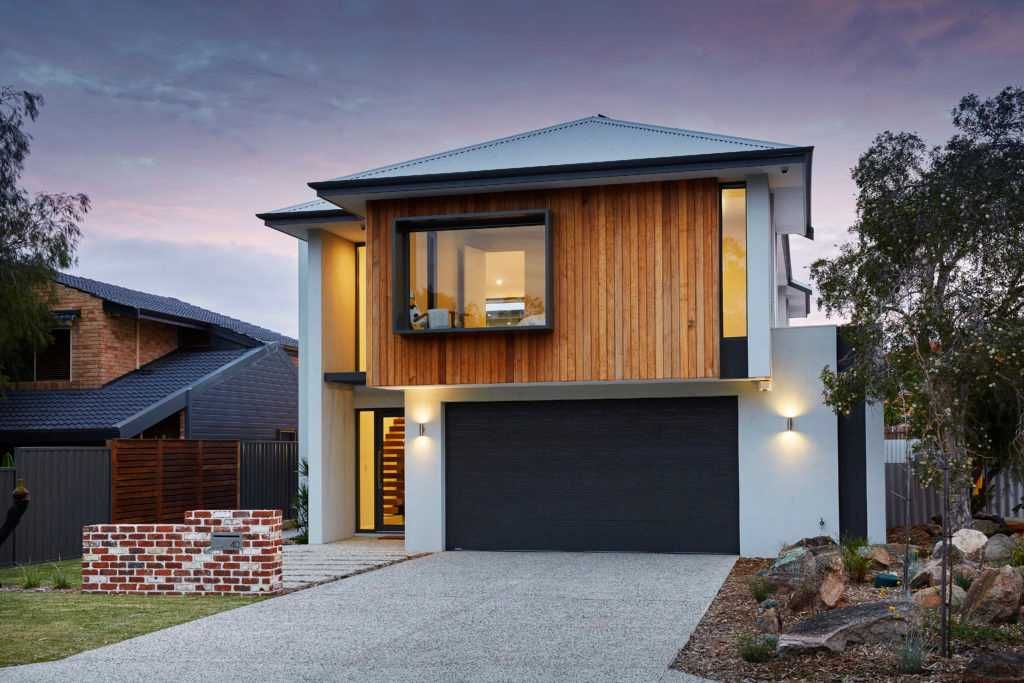
Common exterior panelling materials include fiber cement panels, metal cladding systems, wood siding, composite panels, and high-pressure laminates.
Each material offers different performance characteristics in terms of durability, insulation, and maintenance.
Exterior panelling exists because buildings need a reliable system to protect structural components while maintaining aesthetic appeal. It also plays a key role in modern construction techniques, especially in energy-efficient architecture and sustainable building design.
In recent years, the concept has expanded beyond simple protection. Today, exterior wall panels are integrated with insulation systems, moisture barriers, and ventilation layers, making them a crucial part of high-performance building envelopes.
Why Exterior Panelling Matters in Modern Construction
Exterior panelling is increasingly important due to changing construction standards, climate conditions, and architectural expectations. It impacts homeowners, builders, architects, and property developers alike.
One of the primary reasons exterior panelling matters is its role in energy efficiency. Insulated wall panels help regulate indoor temperatures, reducing reliance on heating and cooling systems. This directly connects to energy-saving construction practices and green building certifications.
Another key benefit is durability. Modern cladding systems are designed to resist corrosion, UV exposure, and moisture damage. This reduces long-term structural risks and helps maintain building integrity.
Exterior panelling also enhances design flexibility. Architects can use a variety of textures, colors, and finishes to create unique facades. From minimalist modern designs to traditional appearances, panelling supports diverse styles.
Key advantages include:
- Improved thermal insulation performance
- Protection against weather and environmental damage
- Enhanced building aesthetics and property value
- Reduced maintenance requirements over time
It also addresses practical challenges such as noise reduction and fire resistance, depending on the materials used.
Recent Developments and Emerging Trends
Exterior panelling has seen several advancements driven by sustainability goals and evolving construction technologies.
Exterior panelling has seen several advancements driven by sustainability goals and evolving construction technologies.
One noticeable trend is the increased use of eco-friendly cladding materials. Recycled composite panels and low-emission fiber cement boards are gaining popularity due to their reduced environmental impact. These materials align with green building standards and environmental compliance requirements.
Another trend is the rise of ventilated facade systems. These systems create a gap between the building wall and the exterior panel, allowing air circulation. This improves moisture control and thermal efficiency, making buildings more resilient in varied climates.
Digital fabrication and prefabricated panel systems are also becoming more common. These systems allow faster installation and improved precision, reducing construction errors and material waste.
Smart building integration is another development. Some modern panels incorporate sensors or coatings that help monitor temperature changes or improve energy efficiency.
Below is a simple comparison of traditional vs modern exterior panelling systems:
| Feature | Traditional Panelling | Modern Panelling Systems |
|---|---|---|
| Installation Method | Manual | Prefabricated |
| Energy Efficiency | Moderate | High |
| Maintenance Needs | Higher | Lower |
| Design Flexibility | Limited | Extensive |
| Environmental Impact | Moderate | Reduced |
These trends highlight how exterior panelling is evolving into a more advanced and integrated building solution.
Regulations and Building Guidelines
Exterior panelling is influenced by construction regulations and safety standards that vary by country and region. These rules ensure that materials and installation methods meet structural, fire safety, and environmental requirements.
Building codes often specify:
- Fire resistance ratings for cladding materials
- Wind load resistance for high-rise buildings
- Moisture and waterproofing standards
- Thermal insulation requirements
In many regions, energy efficiency regulations require the use of insulated panels or systems that reduce heat transfer. This aligns with broader sustainability goals and building certification programs.
Fire safety has become a particularly important aspect of exterior panelling regulations. Certain materials must meet strict fire-retardant standards, especially in multi-story buildings.
Environmental policies also influence material selection. Builders may need to use low-emission or recyclable materials to comply with sustainability guidelines.
These regulations ensure that exterior panelling contributes to safe, durable, and efficient buildings.
Tools, Resources, and Practical Aids
Several tools and resources help professionals and individuals understand and plan exterior panelling systems effectively.
Commonly used tools include:
- Thermal insulation calculators for estimating energy efficiency
- Material comparison charts for evaluating durability and performance
- CAD design software for facade planning and visualization
- Moisture analysis tools for assessing ventilation needs
Popular software categories used in planning include:
- Building Information Modeling (BIM) platforms
- 3D architectural visualization tools
- Energy performance simulation tools
A simple overview of helpful resources:
| Tool Type | Purpose |
|---|---|
| Insulation Calculator | Estimate thermal performance |
| BIM Software | Plan and model building facades |
| Material Databases | Compare cladding materials |
| Energy Simulation Tools | Analyze energy efficiency |
Templates and planning guides are also useful for understanding installation steps, maintenance schedules, and compliance requirements.
These resources support informed decision-making and improve the overall efficiency of construction projects.
Frequently Asked Questions
What is the difference between cladding and exterior panelling?
Cladding is a broader term that includes all external coverings applied to a building. Exterior panelling is a specific type of cladding that uses panel-based systems for coverage and protection.
Which material is best for exterior wall panels?
There is no single best material. Fiber cement, metal panels, and composite materials are widely used due to their durability, weather resistance, and low maintenance needs. The choice depends on climate, design goals, and building requirements.
Does exterior panelling improve insulation?
Yes, many modern panel systems include insulation layers or are designed to work with insulation materials. This helps improve thermal efficiency and indoor comfort.
How long does exterior panelling last?
The lifespan varies by material. Metal and fiber cement panels can last several decades with proper maintenance, while wood may require more frequent care.
Is exterior panelling suitable for all climates?
Yes, but material selection is important. For example, moisture-resistant panels are better for humid climates, while UV-resistant materials are suitable for areas with strong sunlight.
Conclusion
Exterior panelling is a fundamental element of modern construction, combining functionality with design. It protects buildings from environmental factors while enhancing energy efficiency and visual appeal.
Advancements in materials and technology have transformed exterior wall panels into high-performance systems that support sustainability and long-term durability. With evolving regulations and increasing awareness of environmental impact, the role of exterior panelling continues to grow in importance.
By understanding materials, design considerations, and available tools, individuals and professionals can make informed decisions that align with both practical needs and architectural goals. Exterior panelling is no longer just an outer layer—it is a key component of efficient and resilient building design.

