Floating Islands of Peru: Explore the History, Facts, and Cultural Insights
The floating islands of Peru are unique human-made islands located on Lake Titicaca, one of the highest navigable lakes in the world. These islands are constructed primarily from layers of totora reeds, a type of aquatic plant that grows abundantly in the lake’s shallow waters. The islands are traditionally associated with the Uros people, an Indigenous community that developed this distinctive living environment many generations ago.
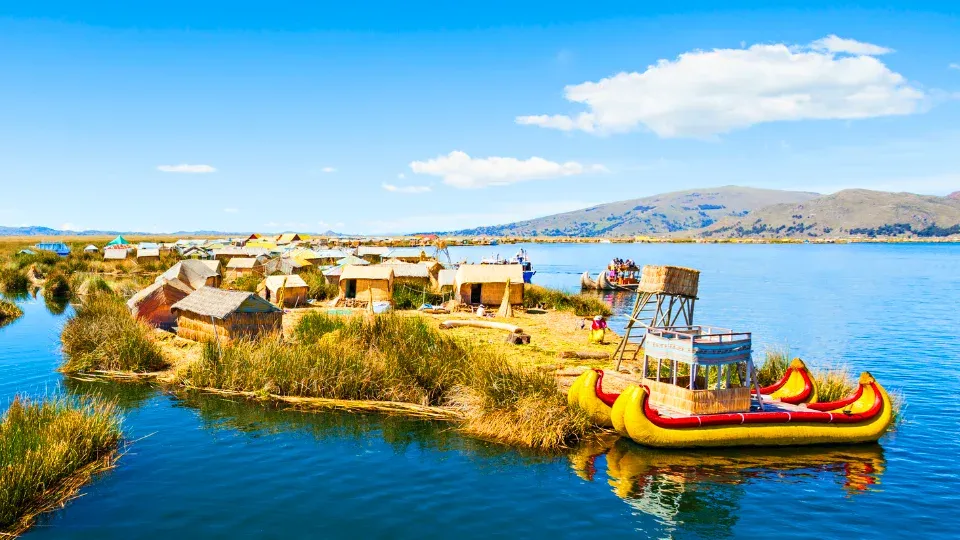
The concept of floating islands may appear unusual, but they were originally created as a practical adaptation to the environment. The Uros people built them as movable living spaces, allowing communities to shift locations across the lake when necessary. This mobility helped them maintain independence and safety while preserving their traditional way of life.
Each island is formed by bundling large blocks of buoyant reed roots together and layering fresh reeds on top to create a stable surface. Over time, the reeds decompose, so new layers are constantly added to maintain strength and buoyancy. The result is a living structure that requires regular care and community cooperation.
Life on these islands reflects a deep relationship with nature. Houses, boats, and everyday tools are often made from reeds. Fishing and reed harvesting are common activities that support daily living. The islands represent a rare example of human engineering shaped by ecological understanding and cultural heritage.
Why the Floating Islands Matter Today
The floating islands hold importance for several reasons, including cultural preservation, environmental awareness, and educational research. They demonstrate how communities can adapt to natural conditions while maintaining a sustainable relationship with their environment.
One key aspect is the preservation of Indigenous cultural knowledge. The Uros people have maintained traditions, language elements, and ecological practices that have been passed down through generations. These traditions offer valuable insights into how communities historically adapted to changing environments.
Another important dimension is environmental learning. The reed ecosystem of Lake Titicaca plays a significant role in maintaining biodiversity and water quality. Studying the floating islands and their ecological system can provide useful knowledge in fields such as environmental sustainability, climate adaptation, and natural resource management.
The islands also highlight broader discussions about cultural identity and community resilience. Indigenous communities around the world face challenges related to modernization, migration, and environmental changes. The floating islands demonstrate how cultural practices can continue while interacting with modern society.
From an educational perspective, the islands attract researchers in areas such as anthropology, environmental science, cultural studies, and sustainable architecture. Their unique structure offers insights into renewable materials, natural engineering methods, and community-based resource management.
Recent Developments and Current Trends
In recent times, attention toward the floating islands has increased due to discussions around climate conditions, water levels, and environmental protection in the Lake Titicaca region. Environmental monitoring programs have been implemented to better understand how ecological changes affect the lake ecosystem and local communities.
Water level fluctuations in the lake have drawn attention from researchers studying regional climate patterns. Changes in rainfall and temperature patterns influence reed growth and the stability of floating islands. Monitoring efforts help communities plan sustainable reed harvesting and island maintenance.
Another noticeable development involves cultural documentation initiatives. Academic institutions and cultural organizations have worked with Indigenous communities to document traditional building techniques, ecological knowledge, and oral histories. These initiatives help preserve cultural heritage and ensure that traditional knowledge remains accessible for future generations.
Technological awareness has also expanded. Educational institutions increasingly study the floating islands as an example of natural engineering. Researchers explore how reed structures demonstrate principles related to buoyancy, insulation, and renewable construction materials.
Local governance institutions and community groups have also focused on environmental education programs that highlight the importance of protecting Lake Titicaca’s ecosystem. These programs emphasize sustainable resource management and cultural respect for Indigenous communities living on the lake.
Laws, Regulations, and Cultural Protection
The floating islands exist within a framework of national and regional regulations that aim to protect both cultural heritage and the environment surrounding Lake Titicaca.
Peru recognizes the importance of safeguarding Indigenous cultural traditions. National cultural heritage policies support the documentation and preservation of Indigenous communities, languages, and traditional practices. These policies help ensure that cultural knowledge related to reed island construction and traditional lifestyles is respected.
Environmental regulations also play a role in protecting the lake ecosystem. Lake Titicaca is shared between Peru and Bolivia, which means both countries cooperate on environmental monitoring and conservation initiatives. Policies focus on water quality protection, sustainable resource use, and ecosystem preservation.
Protected cultural landscapes are another key component. Certain areas around the lake are recognized for their historical and cultural significance. Such recognition encourages responsible management of natural resources and supports Indigenous communities in maintaining their traditions.
Community governance is also an important part of island management. Local community leaders coordinate decisions related to reed harvesting, island maintenance, and cultural practices. These governance structures help maintain a balance between tradition and modern administrative systems.
Tools and Resources for Learning About Floating Islands
A range of educational and research tools help people understand the floating islands, their cultural background, and their environmental context.
Digital mapping and geographic tools are often used by researchers and educators to study Lake Titicaca’s geography. These tools help analyze water levels, reed distribution, and island locations.
Educational platforms and digital archives contain historical documentation, photographs, and academic studies related to the islands. These resources allow students and researchers to learn about Indigenous culture and environmental practices.
Environmental data platforms provide insights into climate conditions and ecological trends in the region. Researchers studying environmental sustainability often use these datasets to examine long-term changes in lake ecosystems.
Key informational resources include:
-
Geographic information systems used for lake mapping
-
Cultural heritage databases documenting Indigenous communities
-
Environmental monitoring platforms analyzing water and climate patterns
-
Educational archives containing anthropological research
-
Environmental sustainability studies related to reed ecosystems
The following table summarizes important knowledge areas related to floating island research.
| Knowledge Area | Focus | Importance |
|---|---|---|
| Anthropology | Indigenous traditions and social structure | Cultural preservation |
| Environmental Science | Lake ecosystems and reed growth | Sustainable resource use |
| Architecture | Natural floating structures | Renewable material research |
| Geography | Lake Titicaca regional environment | Climate and water studies |
| Cultural Studies | Indigenous identity and heritage | Social understanding |
Researchers sometimes visualize ecosystem changes using environmental monitoring charts.
Example Environmental Observation Pattern
Water Level Trends
High Level ▇▇▇▇▇▇
Moderate Level ▇▇▇▇
Low Level ▇▇
Reed Growth Patterns
Strong Growth ▇▇▇▇▇
Moderate Growth ▇▇▇
Reduced Growth ▇▇
These simplified visualizations help illustrate how environmental conditions influence the floating islands and the surrounding ecosystem.
Frequently Asked Questions
What are the floating islands made from?
The floating islands are constructed primarily from totora reeds, a plant that grows in shallow areas of Lake Titicaca. Bundles of reed roots create a buoyant base, while layers of fresh reeds are placed on top to maintain stability.
Why were the floating islands originally created?
The islands were developed as a protective and adaptive living environment. By living on floating platforms, communities could move across the lake when necessary and maintain independence while adapting to environmental conditions.
How long do floating islands last?
Floating islands require continuous maintenance. As the lower reed layers gradually decompose, new reeds must be added regularly to keep the structure stable. With proper care, islands can remain functional for many years.
How many people live on these islands?
Population numbers vary depending on the island and community structure. Some islands are home to extended families, while others may support small community groups.
Are floating islands unique to Peru?
While similar concepts appear in other parts of the world, the floating islands on Lake Titicaca are among the most well-known examples. Their construction techniques and cultural significance make them particularly distinctive.
Conclusion
The floating islands of Peru represent an extraordinary example of cultural adaptation, environmental understanding, and community cooperation. Built from natural reeds and maintained through traditional knowledge, these islands demonstrate how human societies can live in harmony with their surrounding ecosystems.
Their importance extends beyond cultural heritage. Researchers and educators study the islands to better understand sustainable construction methods, ecological systems, and Indigenous knowledge. These insights contribute to discussions about environmental resilience and cultural preservation.
The islands also highlight the importance of protecting both natural ecosystems and Indigenous traditions. Environmental regulations, cultural heritage policies, and community governance structures all play a role in maintaining the balance between tradition and modern development.
By examining the floating islands of Lake Titicaca, readers gain a deeper appreciation of how communities adapt to unique environments while preserving their cultural identity. The story of these islands continues to provide valuable lessons about sustainability, resilience, and the enduring relationship between people and nature.

