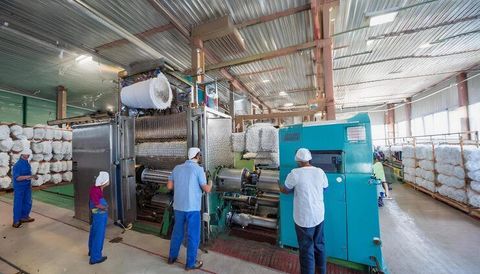
Fluid Power Systems Technology and Pressure Transmission Overview for Engineering
Fluid power systems are engineering technologies that use fluids—either liquids or gases—to transmit power and perform work. These systems are primarily categorized into hydraulic systems, which use incompressible liquids such as oil, and pneumatic systems, which use compressible gases like air. Fluid power is widely applied in industrial machinery, construction equipment, aerospace systems, and manufacturing automation.
The relevance of fluid power systems has increased significantly due to the need for high force output, precise control, and efficient energy transmission in modern engineering applications. Industries are continuously optimizing these systems to improve productivity while reducing energy consumption and maintenance costs.
Recent trends show a shift toward smart fluid power systems with integrated sensors, automation, and digital monitoring. Additionally, sustainability concerns are driving the adoption of energy-efficient components and eco-friendly fluids. As engineering systems evolve, understanding pressure transmission and system performance is essential for designing reliable and efficient operations.
Who It Affects and What Problems It Solves
Fluid power systems affect engineers, maintenance teams, plant operators, and system designers across industries such as manufacturing, construction, automotive, and aerospace. These systems are essential wherever controlled motion, lifting, or force application is required.
Hydraulic systems are widely used in heavy machinery and industrial equipment where high force is needed, while pneumatic systems are common in automation and assembly lines where speed and cleanliness are important.
Problems It Solves
- High force generation using compact systems
- Precision control in complex machinery
- Reduction in manual labor and human effort
- Improved operational efficiency and productivity
- Controlled and multi-directional motion handling
Recent Updates and Trends
Fluid power technology has evolved with several advancements in the past year
- Smart systems with IoT-based monitoring and predictive maintenance
- Energy-efficient hydraulic systems with variable-speed drives
- Electro-hydraulic integration for higher precision control
- Advanced leak detection technologies improving safety and efficiency
- Adoption of eco-friendly and biodegradable hydraulic fluids
These developments reflect a shift toward intelligent, efficient, and sustainable engineering systems
Pressure Transmission and System Comparison
Pressure Transmission Principle
Fluid power systems operate on the concept that pressure applied to a confined fluid is transmitted equally in all directions. This principle enables force multiplication and efficient power transmission across engineering systems
Hydraulic vs Pneumatic Systems Comparison
| Parameter | Hydraulic Systems | Pneumatic Systems |
|---|---|---|
| Working Medium | Liquid (oil, water) | Gas (compressed air) |
| Pressure Range | High | Low to Medium |
| Force Output | Very High | Moderate |
| Precision | High | Moderate |
| Speed | Moderate | High |
| Cleanliness | Moderate (risk of leaks) | High (clean operation) |
| Applications | Heavy machinery, construction | Automation, packaging, tools |
Laws and Policies
Fluid power systems are governed by engineering standards and safety regulations to ensure safe and efficient operation
Key Regulatory Areas
- Industrial safety standards for high-pressure systems
- Pressure equipment regulations for cylinders and pipelines
- Environmental rules for fluid disposal and leakage control
- Energy efficiency guidelines for optimized system performance
Practical Guidance
| Situation | Recommended Approach |
|---|---|
| High force applications | Use hydraulic systems |
| Clean and fast operations | Use pneumatic systems |
| Energy optimization | Adopt variable-speed and efficient components |
| Safety compliance | Follow pressure and inspection standards |
| Maintenance planning | Implement leak detection and monitoring |
Tools and Resources
Fluid power systems rely on various tools for design, operation, and maintenance
Digital and Design Tools
- CAD software for system design
- Fluid simulation tools for pressure and flow analysis
- System modeling platforms for optimization
Operational Tools
- Pressure gauges and flow meters
- PLC systems for automation and control
- Sensors for monitoring system performance
Maintenance and Safety Tools
- Leak detection equipment
- Diagnostic and testing tools
- Preventive maintenance software
Industry Resources
- Engineering standards and technical guidelines
- Training programs for operators and engineers
- Research publications on fluid power advancements
Frequently Asked Questions (FAQ)
What is a fluid power system
A fluid power system uses liquids or gases to transmit energy and perform mechanical work in engineering applications
What is the difference between hydraulic and pneumatic systems
Hydraulic systems use liquids and provide higher force, while pneumatic systems use air and offer faster operation with lower force
What is pressure transmission in fluid systems
It is the principle that pressure applied to a confined fluid is transmitted equally in all directions
Are fluid power systems energy-efficient
Modern systems are designed with energy-efficient components and smart controls to reduce energy consumption
Where are fluid power systems commonly used
They are used in construction equipment, manufacturing machinery, automation systems, and aerospace applications
Conclusion
Fluid power systems play a critical role in modern engineering by enabling efficient energy transmission and precise control of mechanical operations. Industry trends show that the integration of smart technologies, energy-efficient components, and sustainable practices is enhancing system performance and reliability.
Hydraulic systems are ideal for high-force applications, while pneumatic systems are better suited for fast and clean operations. The choice depends on operational requirements, environmental conditions, and efficiency goals.
In conclusion, understanding fluid power technology and pressure transmission principles allows engineers and businesses to design optimized, safe, and efficient systems, making fluid power an essential component of advanced engineering solutions.