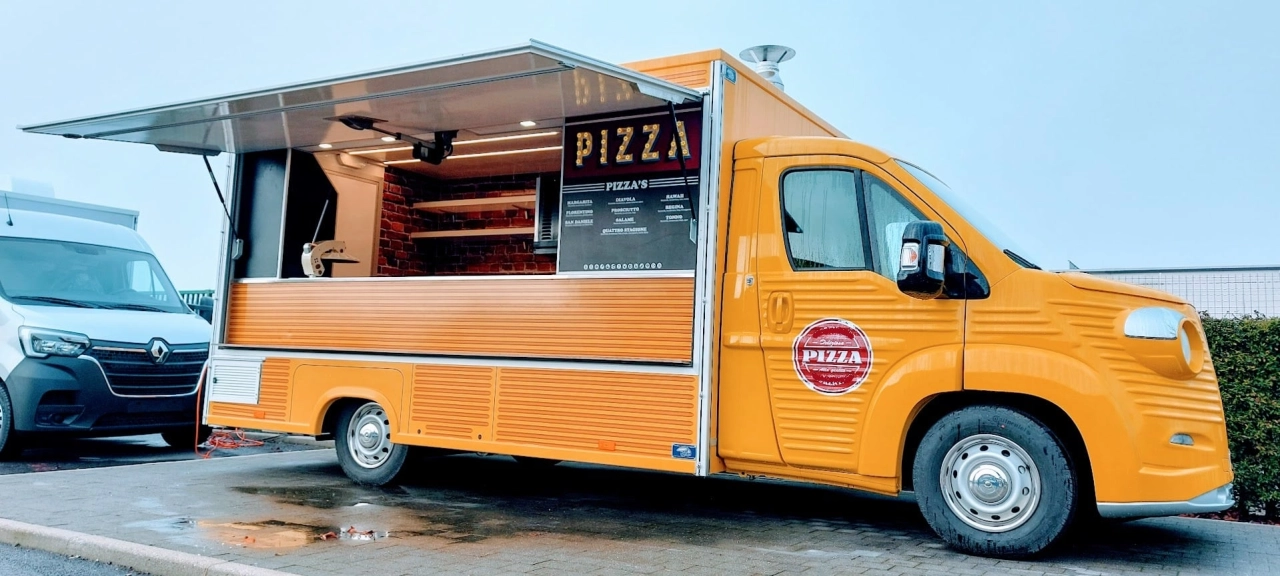
Importance – Why Food Trucks Matter Today
Food trucks matter because they reflect changes in how people eat, work, and socialize. Modern consumers value convenience, diverse food options, and informal dining experiences.
They affect several groups:
-
Entrepreneurs seeking lower entry barriers compared to full-scale restaurants
-
Urban planners managing street activity and local commerce
-
Event organizers looking for flexible catering solutions
-
Customers searching for quick and diverse meal options
Food trucks help solve specific challenges in the food industry:
-
Reduced need for large physical premises
-
Flexibility to respond to changing customer demand
-
Ability to test new menu concepts before expanding
They also contribute to local economies by encouraging small business development and supporting supply chains such as local farms, bakeries, and distributors.
Below is a simplified comparison between food trucks and traditional restaurants:
| Feature | Food Truck | Traditional Restaurant |
|---|
| Location | Mobile | Fixed |
| Space | Compact kitchen | Larger dining area |
| Menu Flexibility | High | Moderate |
| Startup Complexity | Moderate | High |
| Event Participation | Easy | Limited |
Food trucks also play a social role. They often gather communities in public spaces, creating informal dining environments. In urban settings, they can activate underused areas and bring life to business districts during lunch hours.
Recent Updates – Industry Trends and Developments
The food truck industry continues to evolve with technology and consumer behavior. Recent trends show several key developments.
Digital payments have become standard. Many food trucks now use mobile point-of-sale systems that accept card payments and contactless transactions. This shift improves transaction speed and data tracking.
Sustainability is another major trend. Operators are exploring:
-
Compostable packaging
-
Reduced single-use plastics
-
Energy-efficient appliances
-
Solar panel installations on truck roofs
Menu innovation is also expanding. Fusion cuisine, plant-based dishes, and regional specialties are becoming more common. Consumers increasingly look for dietary transparency, including allergen labeling and ingredient sourcing information.
Online visibility is essential. Social media platforms and food delivery apps are often used to announce daily locations and menu updates. This digital presence allows customers to track a truck’s movement in real time.
Data-driven decision-making is growing. Operators analyze peak sales times, best-selling items, and location performance to refine operations.
These developments highlight how food trucks are integrating technology and sustainability into traditional street food concepts.
Laws or Policies – Regulations That Shape Food Truck Operations
Food trucks operate under multiple layers of regulation. The rules vary by country, state, and city, but generally include the following areas:
Public health regulations require food trucks to meet sanitation and food safety standards. In the United States, local health departments typically inspect vehicles and issue permits. Similar frameworks exist in the Canada and Australia.
Licensing requirements often include:
-
Business registration
-
Food handler certifications
-
Vehicle safety inspections
-
Fire safety approvals
Zoning laws control where food trucks may park and operate. Some cities designate specific vending zones, while others limit operations near brick-and-mortar restaurants. In dense cities such as New York City and London, location permits are strictly regulated.
Tax compliance is another important factor. Operators must track sales and comply with local tax obligations.
Government programs sometimes support small business development through training workshops or grants aimed at encouraging entrepreneurship. However, compliance with safety and health rules remains mandatory regardless of support programs.
The regulatory environment aims to protect public health, ensure fair competition, and maintain urban order.
Tools and Resources – Practical Support for Food Truck Operations
Modern food truck management often relies on digital tools and planning resources. The following categories are commonly used:
Point-of-sale systems
-
Mobile POS applications for sales tracking
-
Inventory management integration
-
Digital receipt generation
Business planning tools
-
Financial forecasting spreadsheets
-
Menu engineering templates
-
Break-even analysis calculators
Marketing and communication platforms
-
Social media scheduling tools
-
Graphic design applications for menu boards
-
Customer feedback survey tools
Regulatory guidance
-
Local health department websites
-
Food safety certification courses
-
Government small business portals
Below is an example of how operators may track weekly performance:
| Metric | Example Data |
|---|
| Average Daily Customers | 120 |
| Most Popular Item | Tacos |
| Peak Time | 12–2 PM |
| Digital Payment Usage | 85% |
| Repeat Customer Rate | 40% |
Tracking such metrics helps improve efficiency and menu decisions.
Some operators also use simple bar charts to monitor trends in sales volume.
Example conceptual sales trend:
-
Day 1 | ██████████
-
Day 2 | █████████████
-
Day 3 | ████████
-
Day 4 | ███████████████
This kind of visual summary can reveal demand patterns without complex analytics software.
FAQs – Common Questions About Food Trucks
What licenses are required to operate a food truck?
Most jurisdictions require a business license, food handler certification, vehicle registration, and health department permit. Fire safety inspections may also be necessary. Requirements vary by city and country.
How do food trucks maintain food safety?
They follow local health codes, use refrigeration systems, maintain proper food storage temperatures, and adhere to cleaning protocols. Regular inspections help ensure compliance.
Can food trucks operate year-round?
This depends on climate and local regulations. In colder regions, operations may slow during winter months. Some trucks adjust schedules or focus on indoor events during extreme weather.
Do food trucks only serve fast food?
No. Many food trucks offer gourmet dishes, international cuisine, vegetarian options, and specialty beverages. Menu diversity is a defining characteristic of the industry.
How do customers find food trucks?
Customers often track food trucks through social media updates, location-sharing apps, and event listings. Many trucks publish weekly schedules online.
Conclusion
Food trucks represent a dynamic segment of the food service industry. They combine mobility, culinary creativity, and small business management within a compact format.
Their importance continues to grow as urban populations seek convenient dining options and entrepreneurs explore flexible business models. Regulations ensure food safety and fair operation, while digital tools enhance efficiency and customer engagement.
Understanding the basics, current trends, legal frameworks, and operational tools provides a clear foundation for anyone researching this topic. Whether viewed from a cultural, economic, or regulatory perspective, food trucks illustrate how innovation and adaptability shape modern food systems.
This guide offers structured knowledge designed to inform readers, support research, and encourage responsible participation in the evolving mobile food industry.