Goods to Person Systems Explanation for Technology Integration and Fulfillment Processes
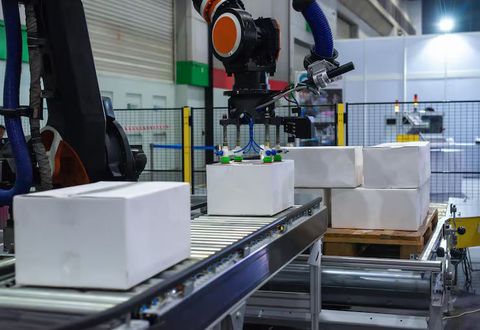
Goods-to-Person (GTP) systems are advanced warehouse automation solutions designed to bring inventory directly to operators instead of requiring workers to travel across storage locations. These systems rely on robotics, conveyors, automated storage and retrieval systems (AS/RS), and software platforms to streamline order picking and fulfillment operations. GTP systems are widely used in e-commerce, retail distribution, pharmaceuticals, and manufacturing logistics, where speed, accuracy, and scalability are critical.
The growing demand for faster delivery and high order accuracy has accelerated the adoption of GTP systems globally. Recent industry data suggests that goods-to-person systems can improve picking productivity by 2–3 times while reducing labor travel time by up to 70%. Additionally, the integration of warehouse management systems (WMS), artificial intelligence, and real-time tracking technologies has enabled more efficient inventory control and demand forecasting. As supply chains become increasingly complex, GTP systems play a key role in improving operational efficiency, reducing errors, and supporting scalable fulfillment strategies.
Who It Affects and What Problems It Solves
Goods-to-person systems impact warehouse operators, logistics managers, supply chain planners, and business owners. In high-volume fulfillment centers, these systems enable faster order processing and improved workforce productivity. For businesses, they provide a scalable solution to meet fluctuating demand while maintaining accuracy.
Practical Problems Addressed
- Excessive worker travel time in traditional warehouses
- Order picking errors and inconsistencies
- Slow fulfillment processes during peak demand
- Inefficient space utilization in storage areas
- High labor costs and workforce dependency
- Difficulty in managing large inventories
- Limited real-time visibility into warehouse operations
Core Components of Goods-to-Person Systems
Key Technologies
| Component | Function | Example Role |
|---|---|---|
| Automated Storage & Retrieval Systems (AS/RS) | Stores and retrieves goods | High-density inventory storage |
| Robots/AGVs/AMRs | Transport goods | Move items to picking stations |
| Conveyor Systems | Continuous movement | Link storage and picking zones |
| Workstations | Operator interface | Picking and packing operations |
| Warehouse Management System (WMS) | Controls inventory and workflow | Order processing and tracking |
System Integration Layers
| Layer | Description | Function |
|---|---|---|
| Physical Layer | Hardware systems | Robots, conveyors, storage units |
| Control Layer | PLC and control software | Equipment coordination |
| Software Layer | WMS/WCS systems | Inventory and order management |
| Data Layer | Analytics platforms | Performance insights |
Fulfillment Workflow in Goods-to-Person Systems
Step-by-Step Process
| Step | Description | Outcome |
|---|---|---|
| Order Receipt | Customer order enters system | Order queue creation |
| Inventory Allocation | System identifies item location | Optimized picking plan |
| Goods Movement | Robots/ASRS retrieve items | Items delivered to operator |
| Picking & Verification | Operator selects items | Accuracy ensured |
| Packing & Dispatch | Orders prepared for shipping | Faster delivery |
Workflow Efficiency Factors
| Factor | Impact |
|---|---|
| Automation Level | Reduces manual effort |
| System Integration | Improves coordination |
| Real-Time Data | Enhances decision-making |
| Layout Optimization | Maximizes throughput |
Comparison: Goods-to-Person vs Traditional Picking
| Parameter | Goods-to-Person Systems | Traditional Picking |
|---|---|---|
| Worker Movement | Minimal | Extensive |
| Picking Speed | High | Moderate |
| Accuracy | High | Variable |
| Labor Requirement | Reduced | Higher |
| Scalability | High | Limited |
| Space Utilization | Optimized | Less efficient |
Recent Updates and Trends (Past Year)
AI-Driven Optimization
Artificial intelligence is being used to optimize picking routes, predict demand, and improve inventory placement strategies.
Autonomous Mobile Robots (AMRs)
AMRs are increasingly replacing fixed conveyor systems, offering flexibility and scalability in warehouse layouts.
Cloud-Based Warehouse Systems
Cloud integration allows centralized control and real-time monitoring across multiple warehouse locations.
Micro-Fulfillment Centers
Smaller automated warehouses located closer to customers are gaining popularity for faster last-mile delivery.
Sustainability Initiatives
Energy-efficient robotics and optimized storage systems are helping reduce warehouse energy consumption and environmental impact.
Laws and Policies Impacting Goods-to-Person Systems
Warehouse automation systems must comply with safety regulations, labor laws, and data protection standards.
Key Regulatory Areas
- Workplace safety and equipment standards
- Data privacy and cybersecurity regulations
- Environmental and energy compliance
- Labor and automation guidelines
Practical Guidance Table
| Regulatory Area | Requirement | Practical Action |
|---|---|---|
| Worker Safety | Prevent accidents | Install safety sensors and barriers |
| Data Protection | Secure operational data | Use encrypted systems |
| Environmental Compliance | Reduce energy usage | Implement efficient systems |
| Labor Regulations | Ensure fair practices | Balance automation and workforce |
Tools and Resources
Common Tools and Systems
| Tool/System | Purpose | Application |
|---|---|---|
| Warehouse Management System (WMS) | Inventory control | Order tracking |
| Warehouse Control System (WCS) | Equipment control | Automation coordination |
| Robotics Platforms | Goods movement | Picking and transport |
| Data Analytics Tools | Performance monitoring | Optimization |
| Simulation Software | Layout planning | System design |
Emerging Resources
- AI-based warehouse optimization tools
- Digital twin warehouse simulations
- Cloud-based fulfillment platforms
- Robotics fleet management systems
Benefits and Limitations
Benefits
| Benefit | Explanation |
|---|---|
| Increased Productivity | Faster picking and fulfillment |
| Improved Accuracy | Reduced human error |
| Reduced Labor Costs | Less manual movement |
| Better Space Utilization | High-density storage |
| Scalability | Adapts to demand fluctuations |
Limitations
| Limitation | Explanation |
|---|---|
| High Initial Investment | Cost of automation systems |
| Technical Complexity | Requires skilled management |
| Integration Challenges | Compatibility with existing systems |
| Maintenance Needs | Regular system upkeep |
Frequently Asked Questions (FAQ)
What is a goods-to-person system?
A goods-to-person system is a warehouse automation solution that brings items directly to workers for picking and packing.
How does it improve warehouse efficiency?
It reduces worker travel time, increases picking speed, and improves accuracy.
Which industries use goods-to-person systems?
E-commerce, retail, pharmaceuticals, and manufacturing industries commonly use these systems.
Are goods-to-person systems scalable?
Yes, they can be expanded with additional robots, storage systems, and software integration.
What technologies are used in GTP systems?
Technologies include robotics, AS/RS, conveyors, WMS, and data analytics platforms.
Conclusion
Goods-to-person systems represent a significant advancement in warehouse automation, offering measurable improvements in efficiency, accuracy, and scalability. By integrating robotics, intelligent software, and optimized workflows, these systems address key challenges in modern fulfillment operations. While the initial investment and complexity can be considerable, the long-term benefits—such as reduced labor dependency, faster order processing, and improved inventory management—make them a strategic solution for high-demand environments.
A practical recommendation is to evaluate operational scale, order volume, and integration requirements before implementing a GTP system. Organizations that adopt these systems with a clear strategy and focus on technology integration are better positioned to enhance fulfillment performance and adapt to evolving supply chain demands.