Grader Machine Overview: Basics, Working Principles, and Core Functions Explained
A grader machine, commonly known as a motor grader, is a type of heavy construction equipment designed to create flat, smooth, and precisely leveled surfaces. It is most often used in road construction, land development, mining operations, and infrastructure maintenance. The defining feature of a grader machine is its long, adjustable blade mounted between the front and rear axles, allowing operators to control surface shape and elevation with high accuracy.
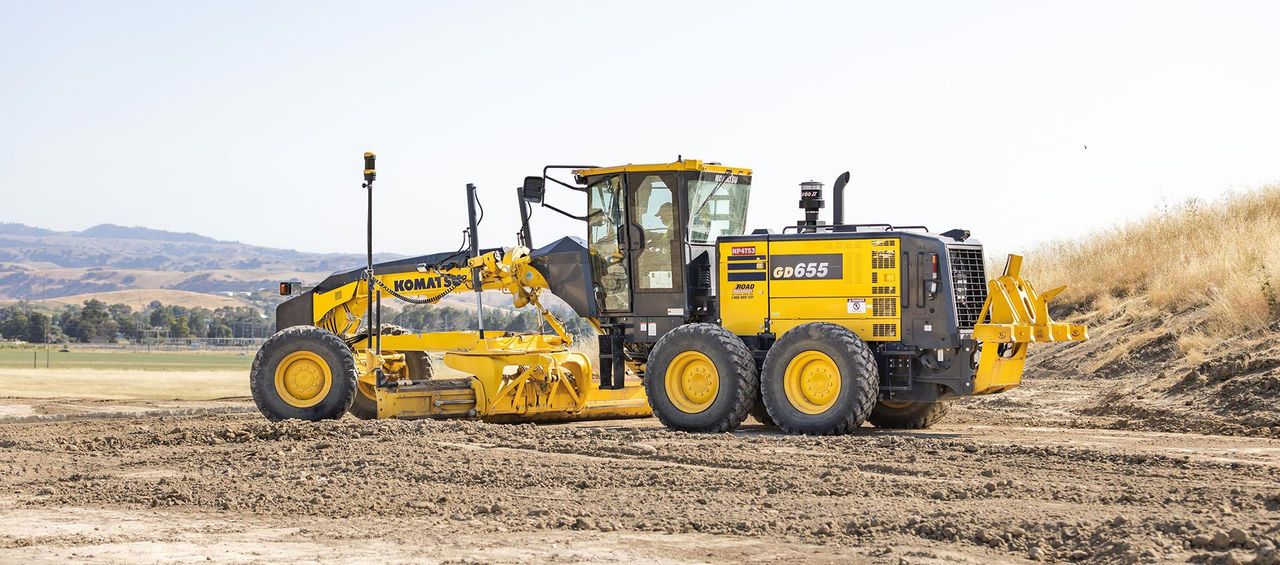
The need for grader machines emerged as infrastructure projects became larger and more complex. Manual leveling methods were no longer sufficient to meet the accuracy, speed, and consistency required for modern transportation networks and industrial sites. Grader machines were developed to solve this problem by combining mechanical power, hydraulic control, and operator precision into a single system capable of shaping terrain efficiently.
Today, grader machines are considered a foundational tool in earthmoving and surface finishing activities. They play a key role after bulk excavation is complete, ensuring that surfaces meet engineering specifications before paving, compaction, or further construction stages begin.
Importance: Why Grader Machines Matter Today
Grader machines are essential in modern construction and infrastructure development because they address multiple critical challenges related to surface accuracy, safety, and long-term durability.
One major reason this topic matters today is the increasing demand for high-quality roads, highways, and urban infrastructure. Even small surface irregularities can lead to poor drainage, faster pavement deterioration, and increased maintenance requirements. Grader machines help reduce these risks by achieving consistent slopes and smooth finishes.
They affect a wide range of stakeholders, including:
-
Civil engineers and project planners
-
Infrastructure authorities and public works departments
-
Construction site operators and supervisors
-
Mining and quarry operations
-
Rural and urban development projects
Key problems that grader machines help solve include:
-
Uneven road surfaces that cause vehicle wear and safety hazards
-
Poor drainage due to incorrect slope formation
-
Inaccurate base layers that weaken pavement structures
-
Time delays caused by repeated manual corrections
By enabling precision grading and efficient surface preparation, grader machines contribute directly to project quality, cost control, and long-term infrastructure performance.
Recent Updates: Technology and Operational Trends
In the past year, grader machine design and operation have continued to evolve, focusing on precision, efficiency, and environmental responsibility. One notable trend is the wider adoption of automated grading systems. These systems use sensors, satellite positioning, and onboard computers to assist operators in maintaining accurate blade positions.
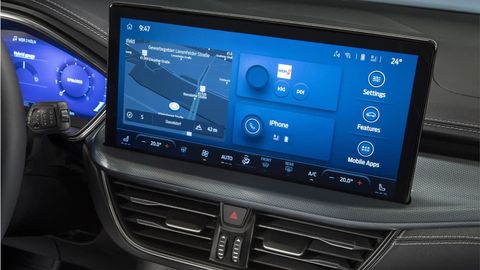
Another important update is the integration of digital machine control displays. These interfaces provide real-time feedback on slope, elevation, and blade angle, reducing reliance on manual measurements and visual estimation. This trend reflects a broader shift toward data-driven construction equipment.
Fuel efficiency and emission management have also gained attention. Manufacturers have introduced refined engine management systems that optimize power output while reducing fuel consumption and exhaust levels. This aligns with stricter environmental expectations in infrastructure projects.
Operator comfort and safety features have improved as well. Enhanced cabin ergonomics, better visibility, and vibration reduction systems help reduce fatigue during long working hours, indirectly improving accuracy and productivity.
Laws or Policies: Regulatory Influence on Grader Machine Use
Grader machines are influenced by a range of laws and policies related to construction safety, environmental protection, and equipment operation. In many countries, occupational safety regulations require certified training for heavy equipment operators, including grader machines. These rules aim to reduce accidents and ensure proper machine handling.
Environmental regulations also affect grader machine usage. Emission standards limit the amount of pollutants that construction equipment engines can release. As a result, modern grader machines are designed to comply with regulated emission thresholds and noise limits, especially in urban or environmentally sensitive areas.
Public infrastructure projects often follow standardized construction guidelines that specify grading accuracy, slope tolerances, and surface finish quality. Grader machines must be capable of meeting these technical requirements to be used in government-funded projects.
In some regions, road construction policies encourage the use of precision grading technology to minimize material waste and improve drainage performance. These policies indirectly promote advanced grader machine systems and operator skill development.
Tools and Resources: Helpful Support for Grader Machine Understanding
Several tools and resources support the effective use and understanding of grader machines. These resources are commonly used by engineers, operators, and planners.
Helpful tools and references include:
-
Earthwork volume calculators for estimating cut-and-fill requirements
-
Digital grading software used for surface modeling and slope planning
-
Machine control displays that provide blade position feedback
-
Operator training simulators for skill development
-
Maintenance scheduling templates for routine inspections
Below is an example table showing how grader machine functions align with common project needs:
| Project Requirement | Grader Machine Function | Practical Outcome |
|---|---|---|
| Road base preparation | Precision blade leveling | Uniform foundation |
| Drainage control | Slope and camber formation | Reduced water damage |
| Surface finishing | Fine grading capability | Smooth final surface |
| Material spreading | Controlled blade movement | Even material distribution |
These tools and resources help ensure grader machines are used effectively and consistently across different project types.
FAQs: Common Questions About Grader Machines
What is the main function of a grader machine?
The main function of a grader machine is to create smooth, level, and accurately sloped surfaces. It is primarily used for finishing work after excavation and before paving or compaction.
How does a grader machine differ from a bulldozer?
A grader machine focuses on precision surface shaping, while a bulldozer is designed for pushing and moving large volumes of material. Graders provide finer control over surface level and slope.
What surfaces can a grader machine work on?
Grader machines can work on soil, gravel, crushed stone, and prepared sub-base layers. They are commonly used on roads, construction sites, and mining areas.
Why is blade control important in grader operation?
Blade control determines the accuracy of surface leveling and slope formation. Proper blade adjustment ensures correct drainage, structural stability, and compliance with engineering specifications.
Are grader machines used only for roads?
No. While road construction is a major application, grader machines are also used in airports, industrial sites, agricultural land leveling, and mining operations.
Conclusion: Understanding the Role of Grader Machines
Grader machines play a vital role in modern construction and infrastructure development by enabling precise surface shaping and leveling. Their design addresses the limitations of manual grading and less accurate equipment, offering a reliable solution for meeting engineering and safety standards.
As construction projects continue to demand higher accuracy, better environmental performance, and improved efficiency, grader machines remain a critical component of earthmoving operations. Understanding their basics, working principles, and core functions helps professionals and general readers alike appreciate how foundational infrastructure is built and maintained.
Through ongoing technological refinement and regulatory alignment, grader machines continue to support safer roads, durable surfaces, and well-planned development projects across diverse industries.