Guide to Minimalist Home Decor Ideas: Essential Information, Facts, and Styling Insights
Minimalist home decor is a design approach that emphasizes simplicity, functionality, and intentional living. It focuses on using fewer elements while ensuring that every item serves a clear purpose. This concept emerged as a response to overly decorative interiors and cluttered living spaces, encouraging people to prioritize clarity and calm in their homes.
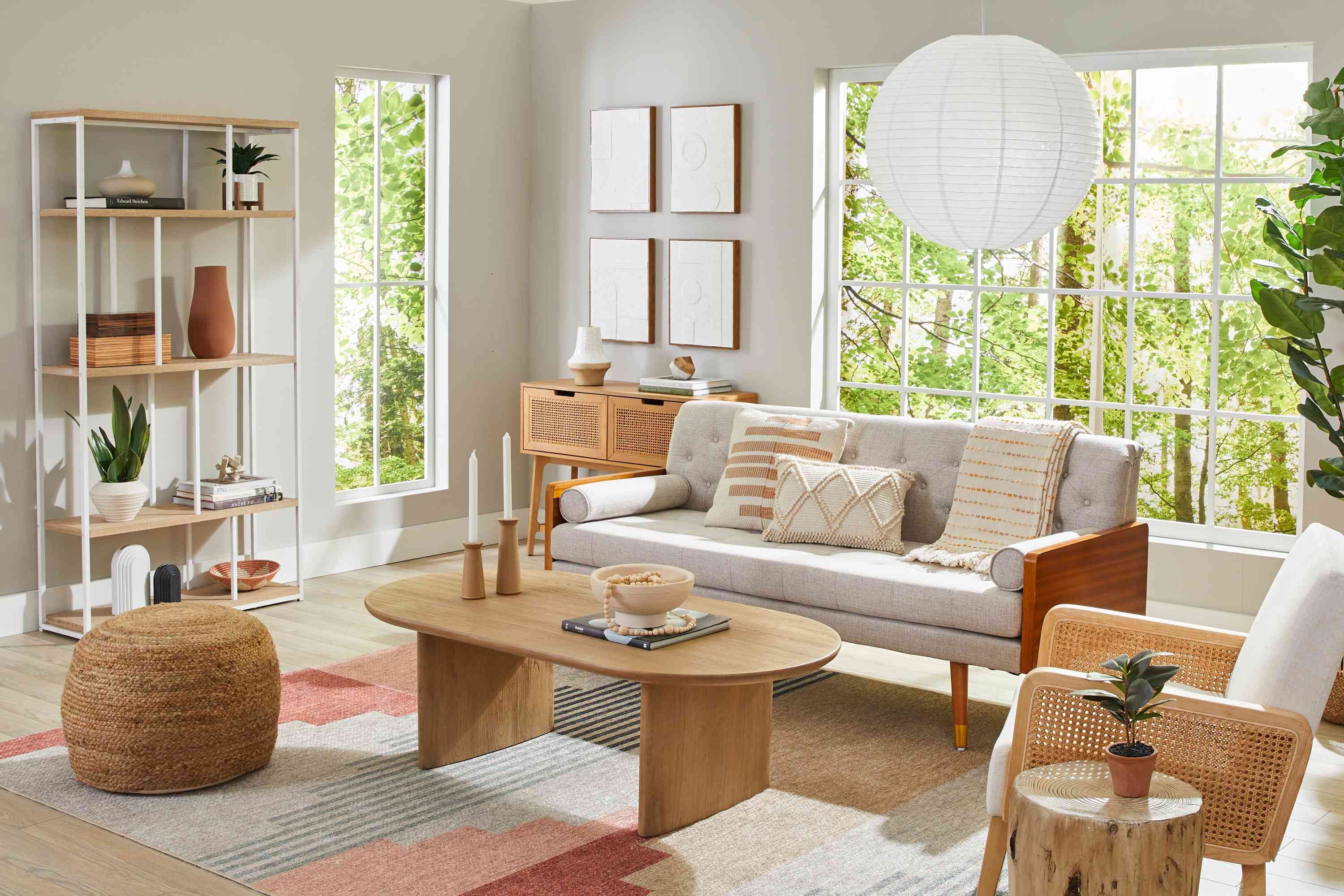
The idea is rooted in the principle of reducing excess without sacrificing comfort. Neutral color palettes, clean lines, and uncluttered layouts are central to this style. Rather than filling spaces with decorative items, minimalist decor highlights quality, proportion, and balance.
Minimalist interiors exist to address modern lifestyle challenges such as limited space, mental overload, and the desire for organized environments. By simplifying surroundings, this design philosophy supports a more focused and comfortable daily life.
Why Minimalist Home Decor Matters Today
Minimalist home decor has become increasingly relevant due to changing living patterns and evolving design preferences. Urban homes are often smaller, making efficient use of space essential. Minimalist design helps maximize usability without overwhelming interiors.
This style affects a wide range of people, including apartment dwellers, families, remote workers, and individuals seeking calm environments. It solves common problems such as visual clutter, inefficient layouts, and difficulty maintaining organized spaces.
Key benefits include:
-
Improved visual clarity and order
-
Easier maintenance and cleaning
-
Enhanced natural light and airflow
-
Better focus and reduced distraction
Minimalist interiors also align with sustainable living principles by encouraging mindful consumption and long-term use of furnishings.
Recent Shifts and Styling Trends in Minimalist Interiors
Recent design developments show a shift toward warmer and more livable minimalist spaces. Instead of stark white rooms, designers are incorporating soft neutrals, muted earth tones, and natural textures. This approach balances simplicity with comfort.
Another noticeable trend is functional zoning within minimalist homes. Open-plan spaces are subtly divided using furniture placement, lighting variations, or texture changes rather than physical partitions.
Technology-friendly minimalist decor has also gained attention. Homes now integrate concealed storage, cable management solutions, and multi-functional furniture to support modern devices without visual clutter.
Popular recent styling updates include:
-
Textured fabrics such as linen and wool
-
Natural materials like wood and stone
-
Soft curves replacing sharp edges
-
Indoor plants used sparingly as focal points
These updates maintain the core principles of minimalism while making spaces feel more welcoming.
Regulations, Standards, and Housing Policies Influencing Interior Design
Minimalist home decor is indirectly influenced by building codes, housing standards, and safety regulations. These rules affect room layouts, lighting requirements, and material usage.
Common regulatory considerations include:
-
Minimum space and ventilation standards
-
Fire safety guidelines for furnishings
-
Electrical and lighting compliance norms
-
Environmental standards for materials
In many regions, housing programs promote efficient space utilization and energy-conscious design. Minimalist interiors naturally align with these objectives by reducing unnecessary fixtures and emphasizing functionality.
Interior design practices also follow accessibility guidelines to ensure safe movement, proper spacing, and ease of use, which complement minimalist principles.
Practical Tools and Learning Resources for Minimalist Decor
Several tools and resources help individuals understand and apply minimalist home decor concepts effectively. These are used for planning, visualization, and learning purposes.
Helpful categories include:
-
Room layout planners for space optimization
-
Color palette generators for neutral schemes
-
Interior design simulation software
-
Home organization templates
-
Educational guides on furniture proportions
These resources support informed decision-making and reduce design errors, especially for beginners exploring minimalist interiors.
Core Elements of Minimalist Home Decor
Minimalist decor relies on a few foundational elements that work together to create balanced spaces.
Color Palette
-
Neutral shades such as white, beige, gray, and soft taupe
-
Limited accent colors used intentionally
Furniture Selection
-
Clean-lined, functional pieces
-
Low-profile designs with simple forms
Lighting
-
Natural light prioritized
-
Simple fixtures with soft illumination
Decor Accessories
-
Minimal decorative objects
-
Functional items doubling as visual elements
Comparison Table: Minimalist vs Traditional Home Decor
| Feature | Minimalist Decor | Traditional Decor |
|---|---|---|
| Color Usage | Neutral and muted | Rich and varied |
| Furniture Quantity | Limited and essential | Multiple pieces |
| Visual Density | Open and uncluttered | Layered and detailed |
| Maintenance | Low effort | Higher upkeep |
| Focus | Function and balance | Ornamentation |
Space Planning Principles in Minimalist Interiors
Effective space planning is essential in minimalist design. The goal is to create openness while maintaining comfort.
Key planning principles include:
-
Clear pathways for movement
-
Purpose-driven room layouts
-
Balanced furniture spacing
-
Hidden storage solutions
Rooms are designed around how they are used, not how many items they can hold. This approach enhances both aesthetics and functionality.
Frequently Asked Questions About Minimalist Home Decor
Is minimalist home decor suitable for families?
Yes. Minimalist decor can adapt to family needs by focusing on practical storage, durable materials, and flexible layouts.
Does minimalist decor mean empty rooms?
No. Minimalism emphasizes intentional placement, not emptiness. Rooms are designed to feel complete without excess.
Can color be used in minimalist interiors?
Yes. Accent colors are allowed when used sparingly and harmoniously within a neutral base.
Is minimalist decor difficult to maintain?
Maintenance is often easier due to fewer items, organized storage, and simple layouts.
Does minimalist design work in small homes?
Minimalism is especially effective in small spaces because it enhances openness and usability.
Visual Balance and Proportion in Minimalist Design
Minimalist interiors rely heavily on proportion and scale. Oversized furniture or excessive decor can disrupt balance. Designers often follow visual alignment rules to maintain harmony.
Below is a simple proportion guideline table:
| Room Size | Furniture Density | Decor Count |
|---|---|---|
| Small | Low | Minimal |
| Medium | Moderate | Limited |
| Large | Balanced | Selective |
These guidelines help maintain consistency across different room sizes.
Psychological Impact of Minimalist Home Decor
Minimalist spaces can influence mood and behavior. Reduced clutter often leads to lower stress levels and improved focus. Clean layouts support mental clarity and promote a sense of control over one’s environment.
This design approach is commonly associated with calmness, order, and comfort, making it suitable for work-from-home setups and relaxation areas alike.
Conclusion
Minimalist home decor is a practical and thoughtful approach to modern interior design. By prioritizing simplicity, functionality, and balance, it addresses common challenges related to space, organization, and visual overload. The style continues to evolve through subtle updates while staying rooted in its core principles.

