Guide to Smart Manufacturing for Automated Production Line Integration
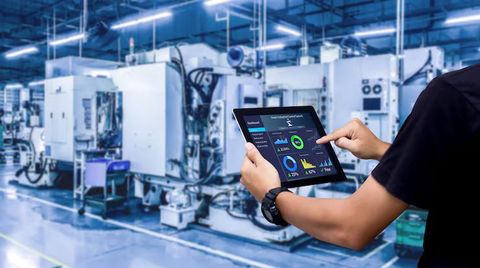
Smart manufacturing refers to the integration of advanced digital technologies, automation systems, and data analytics into production environments to improve efficiency, flexibility, and quality. It combines industrial automation, Internet of Things (IoT), artificial intelligence, and real-time monitoring to create intelligent production systems.
Smart manufacturing exists because traditional manufacturing processes often rely on manual supervision, isolated machines, and limited data visibility. As global competition increased and product complexity grew, manufacturers required more adaptive and efficient production methods. Automated production line integration emerged as a solution to streamline operations and reduce human error.
In modern industrial settings, smart manufacturing enables interconnected machines, sensors, and control systems to operate as a coordinated ecosystem.
Importance: Why Automated Production Line Integration Matters Today
Automated production line integration is essential for improving productivity, consistency, and operational scalability in manufacturing industries.
This topic is relevant to:
-
Manufacturing plant managers
-
Industrial automation engineers
-
Production planners and operations teams
-
Supply chain and quality control professionals
Smart manufacturing helps solve challenges such as production delays, inconsistent product quality, labor-intensive workflows, and limited process transparency. Integrated automation systems allow continuous monitoring and optimization of production activities.
In today’s environment of rapid industrial digitalization, smart factories play a key role in achieving efficiency, sustainability, and competitive manufacturing performance.
Core Components of Smart Manufacturing Systems
Smart manufacturing systems rely on interconnected technologies.
Industrial IoT sensors
Collect real-time data on machine performance and production metrics.
Robotics and automation equipment
Handle repetitive and precision-based tasks on production lines.
Programmable logic controllers (PLCs)
Coordinate machine operations and workflow sequences.
Manufacturing execution systems (MES)
Monitor production processes and manage operational data.
The table below summarizes core components:
| Component | Function in Integration |
|---|---|
| IoT sensors | Real-time monitoring |
| Robotics | Automated task execution |
| PLCs | Process control |
| MES platforms | Production data management |
These elements form the foundation of automated production integration.
How Automated Production Line Integration Works
Smart manufacturing integration follows a structured workflow.
Data acquisition
Sensors collect machine and process data continuously.
Centralized control
Control systems analyze and coordinate production activities.
Automated task execution
Robots and machines perform programmed operations.
Quality monitoring
Inspection systems verify product specifications.
Performance optimization
Analytics platforms identify inefficiencies and suggest improvements.
This integrated approach enhances operational visibility and control.
Key Technologies Enabling Smart Manufacturing
Several advanced technologies support production automation.
Industrial robotics
Used for assembly, packaging, and material handling tasks.
Artificial intelligence and analytics
Improve predictive maintenance and process optimization.
Digital twin technology
Simulates production systems for planning and diagnostics.
Cloud and edge computing
Support real-time data processing and system scalability.
The table below outlines enabling technologies:
| Technology | Role in Manufacturing |
|---|---|
| Robotics | Task automation |
| AI analytics | Process optimization |
| Digital twins | System simulation |
| Cloud/Edge computing | Data processing |
These technologies drive intelligent and adaptive manufacturing systems.
Benefits of Smart Manufacturing Integration
Smart manufacturing offers multiple operational advantages.
Improved production efficiency
Automated workflows reduce delays and bottlenecks.
Enhanced product quality
Real-time monitoring ensures consistency.
Reduced operational downtime
Predictive maintenance identifies issues early.
Scalable production capacity
Integrated systems support flexible expansion.
These benefits support long-term operational sustainability.
Recent Updates and Industry Trends (2025–2026)
Smart manufacturing continues to evolve rapidly.
AI-driven production optimization (2025)
Machine learning models improved process accuracy and efficiency.
Collaborative robotics expansion
Cobots increasingly supported human-machine interaction.
5G-enabled industrial connectivity
Enhanced communication speed between automated systems.
Sustainability-focused manufacturing systems
By late 2025, energy-efficient automation solutions gained wider adoption.
The table below highlights recent trends:
| Trend Area | Observed Direction |
|---|---|
| Intelligence | AI-based optimization |
| Robotics | Collaborative automation |
| Connectivity | 5G industrial networks |
| Sustainability | Energy-efficient systems |
These trends reflect the ongoing shift toward intelligent factories.
Laws, Regulations, and Compliance Considerations
Smart manufacturing systems must comply with industrial standards and regulations.
Machine safety regulations
Automated equipment must include safety guards and emergency controls.
Data protection regulations
Industrial data collected through IoT systems must be securely managed.
Workplace safety standards
Automation systems must ensure safe human-machine interaction.
Environmental compliance requirements
Energy usage and emissions may be subject to regulatory monitoring.
Compliance ensures safe, ethical, and sustainable industrial operations.
Tools and Resources for Production Line Integration
Several tools support smart manufacturing implementation.
Manufacturing execution systems (MES)
Track and manage production workflows.
SCADA systems
Provide supervisory control and data acquisition.
Industrial automation software
Coordinate machine communication and control logic.
Predictive maintenance platforms
Analyze equipment performance trends.
Simulation and digital twin tools
Support process planning and optimization.
These resources enhance integration efficiency and system reliability.
Operational Considerations for Smart Manufacturing
Effective integration requires strategic planning and system alignment.
Interoperability between machines
Ensure compatibility across equipment and software platforms.
Cybersecurity measures
Protect connected industrial networks.
Workforce training
Operators must understand automated systems and interfaces.
System scalability planning
Infrastructure should support future expansion.
Attention to these factors ensures sustainable and efficient integration.
FAQs About Smart Manufacturing
What is smart manufacturing?
It is the use of digital technologies and automation to optimize production processes.
How does automation improve production lines?
Automation increases speed, accuracy, and consistency.
Is smart manufacturing suitable for all industries?
It is applicable across sectors such as automotive, electronics, and food processing.
What is the role of IoT in smart factories?
IoT enables real-time monitoring and data-driven decision-making.
Why is integration important in automated production lines?
Integration ensures seamless communication between machines and systems.
Conclusion
Smart manufacturing and automated production line integration represent a significant advancement in modern industrial operations. By combining IoT, robotics, analytics, and centralized control systems, manufacturers can achieve higher efficiency, consistent quality, and scalable production capabilities.
Understanding system components, enabling technologies, recent industry developments, regulatory requirements, and integration tools provides a structured approach to implementing intelligent manufacturing solutions. As Industry 4.0 adoption accelerates, smart manufacturing systems continue to reshape production environments with data-driven automation and optimized workflows.
With proper planning, secure infrastructure, and skilled workforce support, automated production line integration enables resilient, efficient, and future-ready manufacturing operations.