Horizontal Machining Basics for Machine Structure and Cutting Workflow Understanding
Horizontal machining is a manufacturing process that uses horizontally oriented spindle machines to remove material from a workpiece. These machines, commonly known as Horizontal Machining Centers (HMCs), are widely used in industries such as automotive, aerospace, heavy equipment, and precision engineering. Unlike vertical machining centers, horizontal machines position the spindle parallel to the ground, enabling efficient chip evacuation and improved cutting stability.
The increasing demand for precision components and high-volume production has driven the adoption of horizontal machining systems. Recent advancements in CNC (Computer Numerical Control), automation, and multi-axis machining have significantly enhanced productivity and consistency. Industry data suggests that horizontal machining can improve production efficiency by 15–25% compared to traditional setups, particularly in batch and mass production environments. Additionally, integration with pallet systems and robotic handling has enabled continuous operation, reducing downtime and labor dependency. Understanding the structure and workflow of horizontal machining is essential for optimizing manufacturing processes and achieving consistent quality in modern industrial applications.
Who It Affects and What Problems It Solves
Horizontal machining impacts manufacturers, production engineers, machine operators, and supply chain managers. It is especially relevant in industries requiring high precision, repeatability, and efficient material removal. For manufacturers, it offers a reliable solution for complex part production, while engineers benefit from improved process control and flexibility.
Practical Problems Addressed
- Inefficient chip removal in vertical machining setups
- Reduced productivity in multi-face machining operations
- Frequent machine downtime due to manual intervention
- Inconsistent machining quality in complex components
- High labor dependency in traditional machining processes
- Difficulty in scaling production for large batches
- Tool wear and reduced cutting efficiency
Machine Structure of Horizontal Machining Centers
Core Structural Components
| Component | Function | Example Role |
|---|---|---|
| Base & Column | Provides rigidity and stability | Supports entire machine structure |
| Spindle (Horizontal) | Rotates cutting tool | Performs material removal |
| Worktable/Pallet | Holds workpiece | Enables multi-face machining |
| Tool Magazine | Stores cutting tools | Automatic tool changes |
| CNC Controller | Controls operations | Executes programmed instructions |
Structural Advantages
| Feature | Benefit |
|---|---|
| Horizontal Spindle Orientation | Better chip evacuation |
| Rigid Construction | Improved accuracy and stability |
| Pallet Changer System | Continuous production capability |
| Multi-Axis Capability | Complex machining operations |
Cutting Workflow in Horizontal Machining
Step-by-Step Workflow
| Step | Description | Outcome |
|---|---|---|
| Workpiece Setup | Mounting on pallet | Secure positioning |
| Tool Selection | Automatic tool loading | Optimized cutting |
| CNC Programming | Input machining instructions | Precision control |
| Cutting Operation | Material removal process | Desired shape creation |
| Inspection | Quality verification | Ensures accuracy |
Workflow Efficiency Factors
| Factor | Impact |
|---|---|
| Tool Path Optimization | Reduces machining time |
| Coolant Application | Improves tool life |
| Chip Management | Prevents re-cutting |
| Automation Integration | Enhances productivity |
Comparison: Horizontal vs Vertical Machining
| Parameter | Horizontal Machining | Vertical Machining |
|---|---|---|
| Spindle Orientation | Horizontal | Vertical |
| Chip Removal | Efficient | Less efficient |
| Productivity | High for batch production | Suitable for smaller jobs |
| Setup Complexity | Higher | Lower |
| Cost | Higher initial investment | Lower initial cost |
| Automation Capability | Advanced | Moderate |
Recent Updates and Trends (Past Year)
Integration with Automation Systems
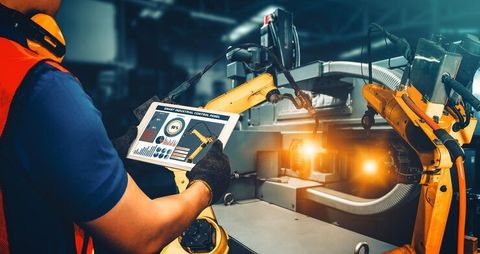
Horizontal machining centers are increasingly integrated with robotic arms and pallet systems, enabling unattended operations and 24/7 production cycles.
Multi-Axis Machining Expansion
The adoption of 4-axis and 5-axis horizontal machining systems has grown, allowing complex geometries to be machined in a single setup.
Smart Manufacturing and IoT
IoT-enabled machines provide real-time monitoring, predictive maintenance, and performance analytics, reducing downtime and improving efficiency.
Advanced Tooling Technologies
New cutting tools with improved coatings and materials enhance durability and cutting speed, reducing tool wear.
Energy Efficiency Improvements
Modern machines are designed to optimize power consumption, aligning with sustainability goals in manufacturing.
Laws and Policies Impacting Horizontal Machining
Machining operations must comply with industrial safety standards, environmental regulations, and quality control requirements.
Key Regulatory Areas
- Workplace safety regulations
- Machine operation standards
- Environmental compliance for coolant disposal
- Quality certification standards
Practical Guidance Table
| Regulatory Area | Requirement | Practical Action |
|---|---|---|
| Operator Safety | Prevent accidents | Use protective guards and training |
| Machine Standards | Ensure reliability | Follow certified machine guidelines |
| Environmental Rules | Manage waste | Proper coolant disposal systems |
| Quality Compliance | Maintain standards | Implement inspection protocols |
Tools and Resources
Common Tools and Systems
| Tool/System | Purpose | Application |
|---|---|---|
| CNC Software | Programming and control | Machining operations |
| CAD/CAM Software | Design and simulation | Tool path generation |
| Tool Monitoring Systems | Track tool condition | Prevent failures |
| Coolant Systems | Temperature control | Improve machining quality |
| Pallet Systems | Workpiece handling | Continuous production |
Emerging Resources
- AI-driven machining optimization tools
- Digital twin simulation platforms
- Cloud-based production monitoring systems
- Advanced cutting tool materials
Benefits and Limitations
Benefits
| Benefit | Explanation |
|---|---|
| Higher Productivity | Reduced setup time and continuous operation |
| बेहतर Chip Removal | Cleaner machining process |
| Improved Accuracy | Stable machine structure |
| Automation Capability | Supports large-scale production |
| Multi-Face Machining | Reduced repositioning |
Limitations
| Limitation | Explanation |
|---|---|
| High Initial Cost | Expensive equipment and setup |
| Complex Setup | Requires skilled operators |
| Maintenance Needs | Regular servicing required |
| Space Requirement | Larger machine footprint |
Frequently Asked Questions (FAQ)
What is horizontal machining?
Horizontal machining is a process where the cutting tool is oriented horizontally to remove material from a workpiece.
Why is chip removal better in horizontal machining?
Gravity helps chips fall away from the cutting area, reducing re-cutting and improving efficiency.
Is horizontal machining suitable for small-scale production?
It is more efficient for batch and mass production but can be used for smaller operations with proper setup.
What industries use horizontal machining centers?
Automotive, aerospace, heavy machinery, and precision engineering industries commonly use HMCs.
What skills are required for horizontal machining?
Skills in CNC programming, machine operation, and tooling knowledge are essential.
Conclusion
Horizontal machining centers play a vital role in modern manufacturing by offering efficient, precise, and scalable machining solutions. Their structural design and workflow advantages make them particularly suitable for high-volume production and complex component manufacturing. While the initial investment and operational complexity can be higher, the long-term benefits in productivity, quality, and automation make them a valuable asset for industrial operations.
A practical recommendation is to adopt horizontal machining systems in environments where batch production, multi-face machining, and automation are critical. By combining advanced tooling, optimized workflows, and compliance with industry standards, organizations can achieve improved efficiency and maintain competitiveness in an evolving manufacturing landscape.