How to Choose the Right Packaging Machinery for Your Business
Packaging machinery automation is transforming how manufacturers prepare, fill, seal, label, inspect, and distribute products. From food and beverages to pharmaceuticals, cosmetics, and consumer goods, automated packaging systems help businesses manage repetitive production tasks with greater consistency and process control.
As manufacturing operations become more technology-driven, packaging machinery automation is becoming an important part of modern production facilities. Understanding the different machine types, automation technologies, applications, and selection factors can help businesses make informed decisions about their packaging operations.
What Is Packaging Machinery Automation?
Packaging machinery automation refers to the use of machines, sensors, software, control systems, and robotics to perform packaging activities with limited manual intervention.
A packaging line may include several connected machines that work together to complete different stages of production. These stages can include product feeding, measuring, filling, wrapping, sealing, labeling, inspection, carton packing, and palletizing.
An automated packaging system can operate as a single machine or as an integrated production line. The level of automation depends on production volume, product characteristics, packaging materials, and operational requirements.
Why Packaging Automation Matters in Modern Manufacturing
Packaging is an essential part of product manufacturing and distribution. In many industries, manual packaging processes can create production bottlenecks, inconsistent packaging quality, and difficulties when handling large order volumes.
Packaging line automation can help manufacturers address these challenges through coordinated equipment and standardized operating procedures.
Some important benefits include:
Consistent packaging: Automated equipment can repeat programmed operations and maintain more uniform packaging results.
Production efficiency: Machines can perform repetitive activities at a controlled operating speed.
Reduced manual handling: Automation can limit the need for workers to perform repetitive lifting, filling, sealing, and sorting tasks.
Quality control: Sensors and inspection systems can identify certain packaging defects during production.
Production monitoring: Connected control systems can provide information about machine performance and operating conditions.
Process coordination: Integrated equipment can help different packaging stages work together.
Actual performance depends on equipment specifications, maintenance, product type, and production conditions.
Major Types of Packaging Machinery
Different products require different packaging methods. Manufacturers generally select machinery according to product shape, packaging material, production volume, and industry requirements.
1. Automatic Filling Machines
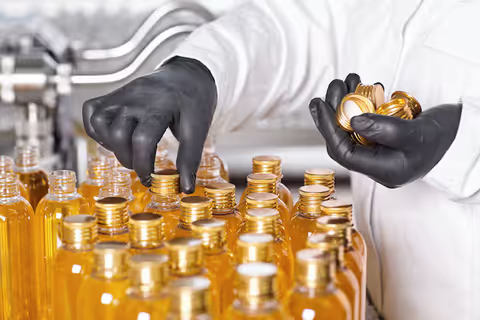
Automatic filling machines measure and dispense products into containers such as bottles, jars, pouches, and other packaging formats.
They are commonly used for liquids, powders, granules, creams, and pastes.
Common applications include:
Beverage and dairy production
Food and edible oil packaging
Pharmaceutical liquid products
Cosmetic creams and lotions
Household cleaning products
Filling systems may use volumetric, weight-based, piston, gravity, or flow-meter technology depending on the product.
2. Pouch Packing Machines
Pouch packing machines fill and seal flexible packaging materials. They are widely used in food processing, personal care, agriculture, and household product manufacturing.
Common pouch formats include:
Stand-up pouches
Pillow pouches
Three-side seal pouches
Four-side seal pouches
Sachets
Zipper pouches
Automatic pouch packing machines can combine product feeding, filling, sealing, and date coding within one production process.
3. Automatic Sealing Machines
Sealing machines close packages to help protect products during storage and transportation.
Depending on the packaging format, equipment may use heat sealing, induction sealing, vacuum sealing, or other sealing technologies.
These systems are used for food containers, bottles, pouches, cartons, and industrial packages.
4. Automatic Labeling Machines
Labeling machines apply product information, branding, barcodes, and regulatory details to packaging.
They may work with bottles, jars, cans, cartons, and other containers.
Some automated labeling systems use sensors and positioning mechanisms to apply labels accurately. Vision inspection can also be integrated to check label placement and readability.
5. Shrink Wrapping Machines
Shrink wrapping equipment uses heat-sensitive plastic film to wrap products or groups of products. Heat causes the film to shrink around the packaged items.
Common applications include:
Bottled beverages
Consumer product multipacks
Food containers
Printed materials
Industrial product bundles
Shrink wrapping machines can be integrated with conveyors and other packaging equipment to support continuous production.
6. Cartoning and Case Packing Machines
Cartoning machines place products into cartons, while case packing machines arrange packaged products into larger shipping cases.
These machines are commonly used in food, pharmaceutical, cosmetics, and consumer goods manufacturing.
Automation can help coordinate product grouping, carton forming, insertion, closing, and case handling.
7. Robotic Packaging Systems
Robotic packaging systems use programmable industrial robots to perform tasks such as picking, sorting, loading, case packing, and palletizing.
Robots can be integrated with conveyors, sensors, cameras, and control systems.
Their applications include handling products with different shapes, arranging items into cases, and moving finished packages onto pallets.
Technologies Used in Packaging Machinery Automation
Modern packaging machinery combines mechanical equipment with electronic controls and software. Several technologies support automated production processes.
Programmable Logic Controllers
A programmable logic controller, or PLC, manages machine operations according to programmed instructions.
It can coordinate motors, sensors, valves, filling mechanisms, and safety devices. PLC-based control systems are widely used in industrial packaging equipment.
Human-Machine Interfaces
A human-machine interface, commonly called an HMI, allows operators to interact with machinery through a display panel.
Operators may use an HMI to select production settings, monitor operating conditions, review alarms, and adjust approved machine parameters.
Industrial Sensors
Sensors detect conditions such as product presence, container position, temperature, pressure, and movement.
They help automated machines respond to changes during production and can support functions such as counting, positioning, and fault detection.
Machine Vision Systems
Machine vision systems use cameras and image-processing software to inspect packaging.
Depending on the system, they may check label placement, product presence, package dimensions, print quality, or visible defects.
Inspection performance depends on camera resolution, lighting, software configuration, and the type of defect being examined.
Industrial Robotics
Robots can automate repetitive handling and movement tasks. In packaging operations, they are often used for picking, sorting, case packing, and palletizing.
Robotic systems may use grippers, suction tools, or other end-effectors designed for particular products.
Industrial Internet of Things
Industrial Internet of Things technology connects machines and production systems to collect and exchange operating information.
Connected packaging equipment can help production teams monitor machine status, identify downtime patterns, and review operational data.
Applications Across Different Industries
Packaging machinery automation is used in several manufacturing sectors. Each industry has different packaging, hygiene, traceability, and product-handling requirements.
Food and Beverage Industry
Food and beverage manufacturers use automatic filling machines, pouch packing machines, sealing equipment, labeling systems, and case packers.
Automation can support repetitive packaging tasks while helping manufacturers maintain consistent production procedures.
Pharmaceutical Industry
Pharmaceutical packaging operations may include bottle filling, blister packaging, labeling, serialization, inspection, and carton packing.
Equipment selection must consider applicable pharmaceutical regulations, product protection, traceability, validation, and quality requirements.
Cosmetics and Personal Care
Cosmetics manufacturers package creams, lotions, shampoos, perfumes, and other personal care products.
Automated equipment may handle container filling, capping, labeling, wrapping, and carton packing.
Chemical Industry
Chemical manufacturers use specialized packaging systems for liquids, powders, granules, and industrial materials.
Equipment selection should consider product compatibility, container strength, exposure risks, and applicable safety requirements.
E-Commerce and Consumer Goods
Distribution-focused packaging operations may use automated carton forming, weighing, labeling, sorting, case packing, and palletizing equipment.
These systems can help organize packages for storage and transportation.
How to Choose the Right Packaging Machinery
Selecting suitable packaging machinery requires an understanding of production needs and the technical capabilities of available equipment.
Businesses should evaluate the following factors before making an equipment decision.
Product characteristics: Consider product size, weight, viscosity, shape, temperature sensitivity, and handling requirements.
Packaging format: Identify whether products require bottles, cartons, pouches, cans, trays, or flexible packaging.
Production capacity: Estimate the required output per minute or hour and compare it with machine specifications.
Automation level: Decide whether a standalone machine, semi-automatic setup, or fully integrated packaging line is appropriate.
Material compatibility: Check whether the equipment supports the required films, labels, containers, and sealing materials.
Control and integration: Review PLC, HMI, sensor, software, and communication capabilities.
Maintenance requirements: Understand cleaning procedures, spare-part availability, maintenance intervals, and technical support arrangements.
Safety features: Review guarding, emergency stops, interlocks, electrical protection, and applicable machinery safety standards.
Future flexibility: Consider whether the system can accommodate new package sizes, products, or production requirements.
A detailed technical assessment can help prevent equipment mismatches and unnecessary production interruptions.
Packaging Automation Trends and Industry Developments
Packaging machinery is evolving as manufacturers adopt connected production systems, more advanced inspection technology, and flexible automation.
Recent industry discussions in India have highlighted growing interest in integrated automation, inspection, and manufacturing-line modernization. Coverage of PackMach Asia Expo and Drinktec India in November 2026 described increased attention to automated operations and quality inspection. <FileCite ref_id="turn169498search3" />
Several developments are shaping the industry:
Smart manufacturing: Connected equipment can provide operational data for production monitoring.
Machine vision inspection: Camera-based systems are being used for packaging checks and defect identification.
Robotic handling: Robotics can support case packing, sorting, and palletizing activities.
Flexible packaging lines: Manufacturers are looking for equipment that can handle different package formats and product variations.
Integrated production systems: Businesses increasingly evaluate how filling, sealing, labeling, inspection, and end-of-line machines work together.
India's packaging automation market is also projected to expand over the coming years. Grand View Research estimates that the Indian market generated approximately USD 6.0 billion in revenue in 2024 and could reach approximately USD 11.8 billion by 2033. These are market research estimates, not guaranteed industry outcomes. <FileCite ref_id="turn169498search0" />
Safety, Quality, and Regulatory Considerations
Packaging machinery must be selected and operated with attention to worker safety, product quality, and applicable industry requirements.
Important considerations include:
Appropriate machine guarding and emergency-stop arrangements
Electrical and mechanical safety procedures
Operator training and documented operating instructions
Cleaning and maintenance procedures
Food-contact material requirements where applicable
Pharmaceutical packaging and traceability requirements where applicable
Product labeling and packaging rules relevant to the product category
Equipment documentation and quality-control procedures
In India, businesses should review applicable requirements from the relevant authorities and standards organizations. Requirements can differ depending on whether the equipment is used for food, medicines, chemicals, or general consumer products. Manufacturers should confirm current rules before commissioning a production line.
Frequently Asked Questions
1. What is packaging machinery automation?
Packaging machinery automation uses machines, sensors, control systems, and robotics to perform packaging activities such as filling, sealing, labeling, inspection, and palletizing with reduced manual intervention.
2. Which machines are used in an automated packaging line?
An automated packaging line may include filling machines, pouch packing machines, sealing machines, labeling machines, conveyors, inspection equipment, cartoning machines, case packers, and palletizing robots.
3. Which industries use automatic packaging machines?
Food and beverage, pharmaceuticals, cosmetics, chemicals, personal care, and consumer goods manufacturers commonly use automatic packaging machines.
4. What is the role of PLC in packaging automation?
A PLC controls and coordinates machine operations using programmed instructions. It can manage sensors, motors, valves, alarms, and other equipment functions.
5. How can businesses select suitable packaging automation equipment?
Businesses should assess product characteristics, packaging format, production capacity, material compatibility, automation requirements, safety features, maintenance needs, and future production plans.
Conclusion
Packaging machinery automation plays an important role in modern manufacturing by coordinating activities such as filling, sealing, labeling, inspection, case packing, and palletizing. Different industries require different equipment configurations, so machinery selection should be based on product characteristics, production requirements, packaging materials, and applicable regulations.
Understanding automatic packaging machines, industrial packaging equipment, robotic systems, and packaging line automation can help businesses evaluate production requirements and identify suitable technologies for their operations.