Industrial Air-Cooled Systems: A Beginner’s Guide to Basics, Benefits, and Applications
Industrial air-cooled systems are essential in modern manufacturing, data centers, power plants, and many other sectors where controlling heat is critical. They offer a reliable way to remove excess heat using ambient air rather than water, making them energy-efficient and easier to maintain in certain environments.
This guide covers the essentials of air-cooled systems: what they are, how they function, why they’re increasingly important, and where they’re used across industries.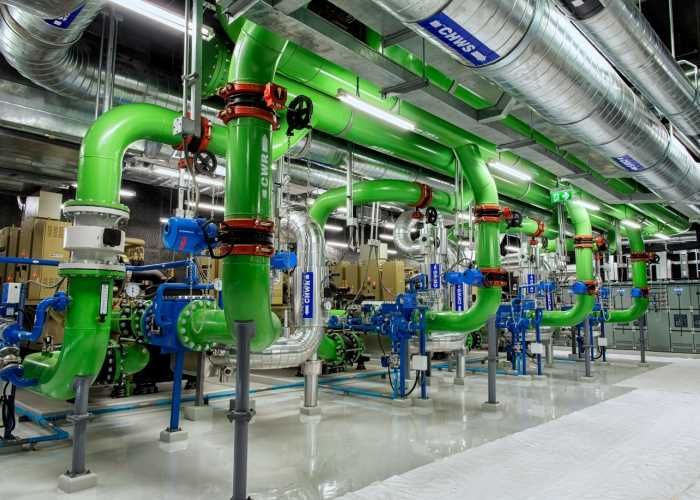
What Are Industrial Air-Cooled Systems?
Air-cooled systems are heat exchange systems that use air as the cooling medium. Unlike water-cooled systems that rely on water for heat dissipation, air-cooled systems transfer heat into the surrounding air using fans, coils, and fins. These systems are widely used in:
-
HVAC units in industrial buildings
-
Cooling systems for machinery and electronic equipment
-
Power generation (e.g., gas turbines and generators)
-
Data centers
-
Food and beverage processing plants
Air-cooled systems often come in the form of chillers, condensers, or packaged units. Their design makes them suitable for environments where water is scarce or expensive.
Why Air-Cooled Systems Matter Today
As industries face increasing pressure to reduce water usage and cut operating costs, air-cooled systems have gained prominence. These systems offer key advantages:
Benefits:
-
Lower water dependency: Ideal for areas with limited water resources
-
Simplified maintenance: No need for water treatment or complex plumbing
-
Space-efficient designs: Often easier to install outdoors or on rooftops
-
Energy-efficient models available: Many newer models come with variable-speed drives and smart controls
Who Benefits:
-
Manufacturing plants: For machine cooling and climate control
-
Data centers: To regulate server temperatures
-
Pharmaceutical and food industries: Where hygiene and climate control are crucial
-
Commercial buildings: For reliable, self-contained HVAC systems
By minimizing water usage and offering flexible installation options, air-cooled systems align with modern sustainability goals and operational efficiency standards.
Recent Trends and Industry Updates
The air-cooled systems market has evolved significantly in the past year, with key developments including:
1. Shift Toward Smart Controls
Manufacturers are integrating AI and IoT into air-cooled units to optimize performance. Sensors monitor temperature, humidity, and load, allowing for real-time energy management.
2. Eco-Friendly Refrigerants
Due to global environmental regulations, many companies are transitioning to low-GWP (Global Warming Potential) refrigerants like R-1234yf and R-32.
3. Growth in Data Centers
In 2024, the global data center cooling market saw a surge, with air-cooled chillers gaining traction due to their modular design and fast deployment options.
4. Hybrid Cooling Systems
Some manufacturers introduced systems that combine air- and water-cooled technologies, offering better performance in variable climates.
Market Data Snapshot:
| Year | Global Air-Cooled Systems Market Size | YoY Growth |
|---|---|---|
| 2023 | $4.8 Billion | — |
| 2024 | $5.3 Billion | 10.4% |
| 2025* | $5.9 Billion (estimated) | 11.3% |
Regulations and Government Programs
Government policies significantly affect the design, deployment, and operation of industrial air-cooled systems:
Environmental Standards
-
India: The Bureau of Energy Efficiency (BEE) provides star ratings for industrial cooling equipment, encouraging adoption of energy-efficient systems.
-
United States: The Department of Energy (DOE) has set minimum efficiency standards under ASHRAE 90.1.
-
European Union: Under F-Gas Regulation, companies must phase out high-GWP refrigerants by 2030.
Green Building Certifications
-
LEED and IGBC reward building projects that use energy-efficient, low-water-consumption systems, pushing companies toward air-cooled solutions.
Incentive Programs
-
Some countries offer tax rebates or grants for using energy-efficient or eco-friendly cooling systems in industrial and commercial projects.
Compliance with these laws helps reduce energy consumption and aligns businesses with global sustainability goals.
Tools and Resources to Help You Get Started
If you're exploring industrial air-cooled systems for your facility, the following tools and resources can support your decision-making:
-
AHRI Directory (https://ahridirectory.org): Check certified air-cooled equipment and efficiency ratings
-
Energy Efficiency Calculator (via BEE India): Estimate potential savings from switching to star-rated chillers
-
HVAC Load Calculator (HVACDesignTools.com): Estimate cooling capacity needed for your space
-
ASHRAE Handbook – HVAC Systems and Equipment: A widely used resource for engineers
-
Smart Chiller Controllers: Vendors like Schneider Electric and Siemens offer software for real-time performance monitoring
These resources help assess cost, capacity, compliance, and environmental impact.
Frequently Asked Questions (FAQs)
1. What is the difference between air-cooled and water-cooled systems?
Air-cooled systems use ambient air to dissipate heat, while water-cooled systems use water and cooling towers. Air-cooled units are generally easier to maintain and install but may be less efficient in very hot climates.
2. Are air-cooled systems suitable for all industrial applications?
They are ideal for medium-load applications, especially where water is scarce. However, for very high cooling loads, water-cooled systems may offer better efficiency.
3. Do air-cooled systems work in hot climates?
Yes, but their efficiency can decrease in extremely hot conditions. In such environments, hybrid systems or systems with variable-speed drives and enhanced heat exchangers are preferred.
4. How often do air-cooled systems need maintenance?
Regular maintenance includes cleaning coils and fans, checking refrigerant levels, and ensuring electrical components are in good condition. Typically, servicing is done quarterly or biannually.
5. Can air-cooled systems qualify for green building credits?
Yes. Many air-cooled systems meet the criteria for LEED, IGBC, and other green certifications when designed with energy-efficient components.
Final Thoughts
Industrial air-cooled systems play a key role in sustainable and efficient cooling across multiple industries. They offer advantages in terms of maintenance, installation, and water conservation, making them a practical choice for facilities aiming to reduce environmental impact and operational costs.
As technology advances and environmental policies tighten, we can expect these systems to become even more efficient and intelligent. Whether you're managing a factory, a data center, or a commercial building, understanding the basics of air-cooled systems is essential for making informed, future-proof decisions.